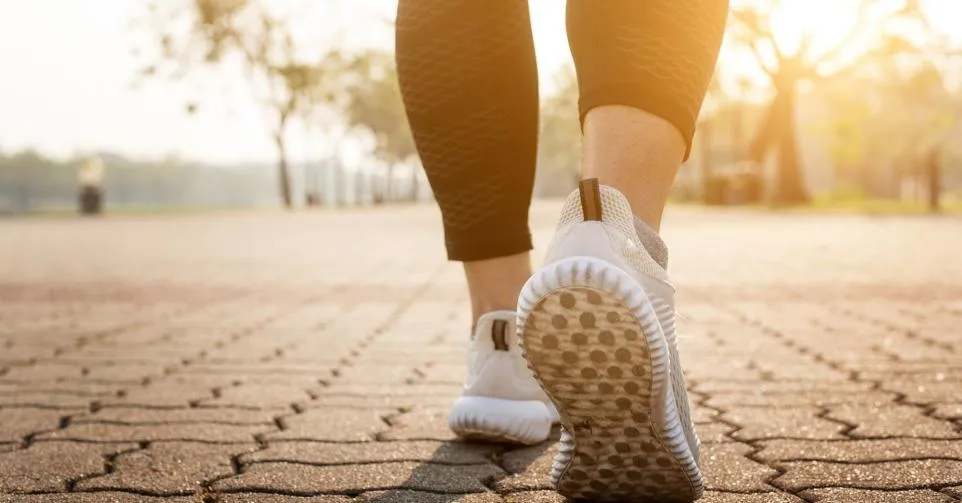
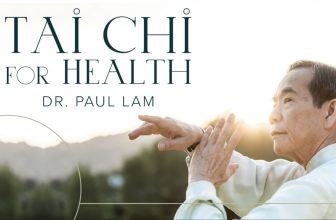
Tai Chi walking is becoming one of the most recommended low-impact exercises for older adults—and for good reason. Combining slow, mindful movement with controlled breathing and balance training, Tai Chi walking offers seniors a gentle way to improve mobility, reduce stress, and maintain independence.
Unlike regular walking, Tai Chi walking emphasizes posture, weight shifting, coordination, and body awareness. The result is a form of exercise that benefits both the body and the mind.
What Is Tai Chi Walking?
Tai Chi walking is a simplified form of traditional Tai Chi that focuses primarily on slow, deliberate stepping patterns. Practitioners move carefully from one foot to the other while maintaining upright posture and coordinated breathing.
The movement is designed to improve stability and develop better control over gait and balance. According to the Tai Chi for Health Institute, Tai Chi walking can be practiced by nearly anyone regardless of age or fitness level.
1. Improves Balance and Helps Prevent Falls
One of the biggest health concerns for seniors is falling. Tai Chi walking directly addresses this issue by training the body to shift weight safely and maintain stability during movement.
Tai Chi walking strengthens stabilizing muscles in the legs, hips, and core while also improving proprioception—the body’s awareness of where it is in space.
2. Strengthens Legs Without High Impact
Many seniors struggle to find exercise that strengthens the lower body without stressing the joints. Tai Chi walking solves this problem by using slow controlled movements instead of pounding or sudden impact.
The gentle shifting from leg to leg builds:
Leg strength
Hip stability
Knee support
Core engagement
Better posture
Because the motions are smooth and low impact, Tai Chi walking is often easier on arthritic joints than jogging or fast-paced aerobics.
3. Enhances Cognitive Function
Tai Chi walking is not just physical exercise—it also trains the brain.
The slow, mindful movements require concentration, coordination, and timing. Studies published through PubMed found that Tai Chi may improve executive cognitive function in older adults even more effectively than brisk walking.
A larger systematic review in BMC Geriatrics also concluded that Tai Chi and Qigong improve both cognitive and physical function in aging populations.
4. Reduces Stress and Anxiety
Tai Chi walking acts as a form of moving meditation. The coordinated breathing and rhythmic movement help calm the nervous system and reduce mental tension.
Recent wellness reports note that Tai Chi walking can:
Lower stress hormones
Improve mood
Encourage relaxation
Promote better sleep
Increase mindfulness
The meditative nature of the practice is one reason many seniors continue it long term.
5. Supports Independence and Confidence
Many seniors report greater confidence when walking after practicing Tai Chi regularly. Everyday activities such as climbing stairs, carrying groceries, or walking outdoors often become easier.
Forbes Health noted that Tai Chi participants frequently notice improvements in daily function that they had not expected when beginning practice.
Maintaining mobility is one of the keys to aging independently, and Tai Chi walking provides a sustainable method to stay active without excessive strain.
6. Gentle Exercise for Nearly Any Fitness Level
Another major advantage is accessibility. Tai Chi walking requires:
No gym membership
No expensive equipment
Minimal space
Little previous experience
Seniors can practice indoors or outdoors, alone or in a group setting. Movements can also be modified for individuals with limited mobility.
The practice is especially attractive for older adults who may find traditional exercise intimidating or too physically demanding.
How Tai Chi Walking Differs From Regular Walking
Regular Walking
Tai Chi Walking
Faster pace
Slow controlled pace
Focus on distance
Focus on movement quality
Uses momentum
Uses deliberate weight shifting
Often mindless
Mindful and meditative
Limited balance training
Strong balance emphasis
Tai Chi walking slows movement enough for seniors to consciously improve posture, coordination, and stability with every step.
Tips for Seniors Starting Tai Chi Walking
Beginners should start slowly and focus on comfort and safety.
Helpful tips include:
Wear supportive flat shoes
Practice on stable ground
Keep steps small at first
Maintain upright posture
Coordinate breathing with movement
Practice consistently—even 10 minutes daily helps
Many seniors benefit from beginner classes or instructional videos before practicing independently.
Learn More About Tai Chi for Healthy Aging
For additional guidance on Tai Chi exercises, wellness benefits, and beginner-friendly routines, visit Healing Tai Chi.
You can also explore evidence-based Tai Chi information from:
Tai Chi walking offers seniors a rare combination of physical exercise, mental focus, and stress reduction in one safe and accessible activity. Research continues to show benefits for balance, mobility, cognition, and overall well-being.
For older adults seeking a gentle but highly effective form of exercise, Tai Chi walking may be one of the best long-term wellness habits available today.