Parkinson’s disease (PD) affects movement, balance, coordination, and quality of life. While medications remain the cornerstone of treatment, research increasingly shows that exercise plays a critical role in managing symptoms. Among the most studied forms of exercise for Parkinson’s disease is Tai Chi—a gentle mind-body practice that combines slow movements, balance training, controlled breathing, and mental focus.
Recent research suggests that Tai Chi can help improve balance, mobility, walking ability, and fall prevention in people living with Parkinson’s disease.
What Is Tai Chi?
Tai Chi originated in China as a martial art but is now widely practiced as a low-impact exercise that promotes:
- Balance and stability
- Coordination
- Flexibility
- Muscle strength
- Mindfulness
- Stress reduction
The slow, controlled movements make it particularly suitable for older adults and individuals with neurological conditions such as Parkinson’s disease.
Why Parkinson’s Patients Benefit from Tai Chi
One of the most challenging symptoms of Parkinson’s disease is postural instability, which can increase the risk of falls and injuries. Tai Chi specifically trains weight shifting, body awareness, and balance control, helping individuals maintain stability while moving.
1. Improved Balance
A 2025 systematic review and meta-analysis found that Tai Chi significantly improves balance function in people with Parkinson’s disease. Researchers concluded that regular practice enhances lower-limb control and postural stability.
Better balance can help individuals:
- Stand more confidently
- Navigate uneven surfaces
- Reduce fear of falling
- Maintain independence longer
2. Reduced Risk of Falls
Falls are one of the leading causes of injury among people with Parkinson’s disease. Multiple studies have found that Tai Chi reduces fall rates while improving functional mobility.
Research has shown that participants who practiced Tai Chi experienced significantly fewer falls than those who received no intervention or participated in some other exercise programs.
3. Better Walking and Gait
Parkinson’s disease often causes:
- Shuffling steps
- Reduced stride length
- Slower walking speed
- Freezing episodes
Studies indicate that Tai Chi can improve gait speed, walking endurance, and stride length, helping participants move more efficiently and confidently.
4. Enhanced Mobility
Tai Chi incorporates controlled transfers of body weight and coordinated movements that mimic everyday activities. Research demonstrates measurable improvements in functional mobility tests among Parkinson’s patients who practice Tai Chi regularly.
These improvements can make daily tasks easier, including:
- Getting out of a chair
- Climbing stairs
- Turning around safely
- Walking through crowded areas
5. Improved Quality of Life
Beyond physical benefits, Tai Chi may improve overall well-being by reducing stress and encouraging relaxation. Some research suggests improvements in mood, sleep quality, and quality of life among individuals with Parkinson’s disease who engage in regular Tai Chi practice.
Potential Benefits for Cognitive Function
Emerging evidence suggests that Tai Chi may also support brain health. Researchers have reported that long-term Tai Chi practice may help slow certain aspects of Parkinson’s disease progression while providing cognitive and emotional benefits. However, more research is needed to confirm these findings.
What Does the Parkinson’s Community Say?
Many individuals in Parkinson’s support communities report positive experiences with Tai Chi. Commonly mentioned benefits include improved balance, better body awareness, reduced stress, and increased confidence while walking. Community members often note that the combination of breathing, concentration, and movement makes Tai Chi especially valuable.
Getting Started Safely
If you have Parkinson’s disease and want to begin Tai Chi:
- Consult your physician or physical therapist.
- Look for instructors experienced with seniors or neurological conditions.
- Start with beginner classes.
- Practice consistently rather than intensely.
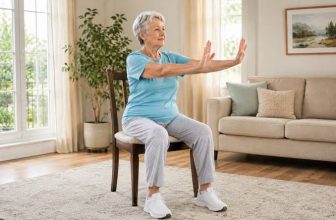
- Use a chair or support if balance is a concern.
Many studies showing benefits used sessions lasting approximately 60 minutes, two to three times per week over several months.
Conclusion
Tai Chi is one of the most researched complementary exercises for Parkinson’s disease. Scientific evidence indicates that it can improve balance, mobility, gait, and fall prevention while potentially enhancing quality of life. Because it is low-impact, adaptable, and accessible to many fitness levels, Tai Chi can be an excellent addition to a comprehensive Parkinson’s management program.
References
Healing Tai Chi – Tai Chi Resources for Health and Wellness
European Journal of Medical Research – Tai Chi Improves Balance, Mobility and Gait Function in Parkinson’s Disease
National Center for Complementary and Integrative Health – Tai Chi: What You Need To Know
PubMed – The Impact of Tai Chi on Motor Function, Balance, and Quality of Life in Parkinson’s Disease
Harvard Health – Tai Chi Improves Balance and Motor Control in Parkinson’s Disease