Tai Chi is more than a gentle movement practice. It is a complete mind-body exercise that supports balance, flexibility, stress reduction, circulation, and overall wellness. When combined with a healthy diet, Tai Chi can also help support weight management, energy levels, and long-term health goals. Research from Harvard Health Publishing shows Tai Chi may improve strength, balance, flexibility, and stress management while encouraging a sustainable lifestyle.
Creating a complementary diet for Tai Chi exercise does not require extreme restrictions or complicated meal plans. Instead, the goal is to support your body with nourishing foods that work in harmony with the calm, balanced nature of Tai Chi practice.
Why Diet Matters with Tai Chi
Tai Chi emphasizes controlled breathing, posture, mindful movement, and internal balance. Because the practice is low-impact and restorative, many practitioners find they feel better when eating lighter, cleaner meals that provide steady energy instead of heavy or processed foods.
A supportive Tai Chi diet can help:
-
- Improve energy and stamina
-
- Support healthy weight management
-
- Enhance recovery and flexibility
-
- Stabilize mood and stress levels
Studies and wellness experts also note that Tai Chi encourages mindfulness, which often leads to healthier eating habits and improved awareness of hunger and portion control.
Core Principles of a Tai Chi Complementary Diet
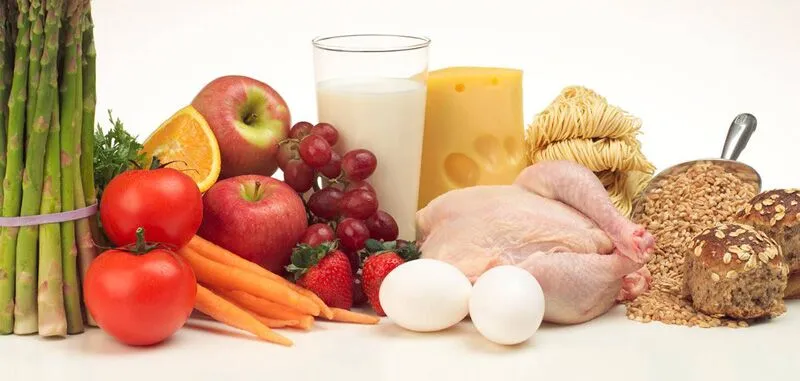
1. Focus on Whole Natural Foods
Tai Chi philosophy encourages balance and simplicity. Your meals should emphasize whole foods that are minimally processed.
Good choices include:
These foods provide long-lasting energy without causing large blood sugar spikes or sluggishness.
2. Eat Foods That Reduce Inflammation
Inflammation can contribute to joint pain, stiffness, fatigue, and slower recovery. Since many people practice Tai Chi for arthritis, mobility, and healthy aging, anti-inflammatory foods are especially valuable.
Anti-Inflammatory Foods for Tai Chi Practitioners
These foods may help support flexibility and joint comfort while complementing the gentle movements of Tai Chi.
Related Reading:
-
- “Learn How Tai Chi Can Help Your Arthritis and Health”
-
- “Tai Chi Exercises for Relief of Back Pain”
-
- “The Difference Between Tai Chi Walking and Regular Walking Explained”
All available at:
3. Balance Energy with Smart Carbohydrates
Tai Chi does not usually burn calories as aggressively as high-intensity workouts, but it still requires stable energy.
Choose carbohydrates that digest slowly:
Avoid excessive refined sugar and processed snacks that may lead to energy crashes during practice.
4. Stay Properly Hydrated
Hydration is often overlooked in gentle exercise programs. Even slow movement practices require adequate fluid intake to support circulation, muscle function, and recovery.
Best hydration choices include:
-
- Electrolyte-rich foods like cucumbers and watermelon
Try drinking water before and after Tai Chi sessions to support flexibility and muscle function.
Sample Daily Tai Chi Meal Plan
Breakfast
-
- Oatmeal with blueberries and walnuts
Mid-Morning Snack
-
- Apple slices with almond butter
Lunch
Afternoon Snack
-
- Greek yogurt or mixed nuts
Dinner
-
- Stir-fried vegetables with tofu or chicken
Evening
-
- Light herbal tea for relaxation
This type of meal structure supports steady energy and complements the calming effects of Tai Chi.
Best Foods Before Tai Chi Practice
Eat lightly about 1–2 hours before practice.
Good pre-Tai Chi foods include:
Avoid:
-
- Large meals immediately before practice
Best Foods After Tai Chi Exercise
After Tai Chi, focus on recovery and hydration.
Helpful post-practice foods:
The goal is replenishment without overeating.
Mindful Eating and Tai Chi
One of Tai Chi’s strongest benefits is mindfulness. Many practitioners naturally become more aware of emotional eating patterns and stress eating habits.
Research suggests Tai Chi’s stress-reducing effects may help improve healthier food choices and support weight management.
Simple mindful eating habits include:
-
- Avoiding distractions during meals
-
- Paying attention to hunger cues
-
- Stopping before feeling overly full
Tai Chi and Weight Management
Although Tai Chi is gentle, it can still support healthy weight goals when paired with good nutrition. Studies referenced by wellness researchers show regular Tai Chi practice may help improve body composition, reduce stress-related eating, and increase overall activity levels.
For best results, combine:
-
- Consistent Tai Chi practice
Foods to Limit
To support the calming and restorative effects of Tai Chi, try reducing:
Many practitioners report feeling lighter and more energized when simplifying their diet.
Tai Chi Nutrition for Seniors
Tai Chi is especially popular among older adults because of its gentle nature and balance benefits.
Seniors practicing Tai Chi should focus on:
Chair Tai Chi participants may also benefit from nutrient-dense meals that support muscle maintenance and joint comfort.
Suggested Internal Links:
-
- “Learn Why Chair Tai Chi Isn’t Just For Seniors Anymore”
-
- “Tai Chi in a Chair for Beginners”
-
- “Learn How Tai Chi Can Help Your Arthritis and Health”
Available at:
Final Thoughts
Creating a complementary diet with Tai Chi exercise is about supporting balance throughout your entire lifestyle. Tai Chi encourages calmness, awareness, and sustainable movement, while healthy nutrition provides the fuel your body needs to thrive.
Instead of following extreme diets, focus on:
Together, Tai Chi and healthy eating can become a long-term wellness strategy that supports both physical and mental well-being.
For more Tai Chi wellness resources, beginner guides, and healthy living articles, visit: