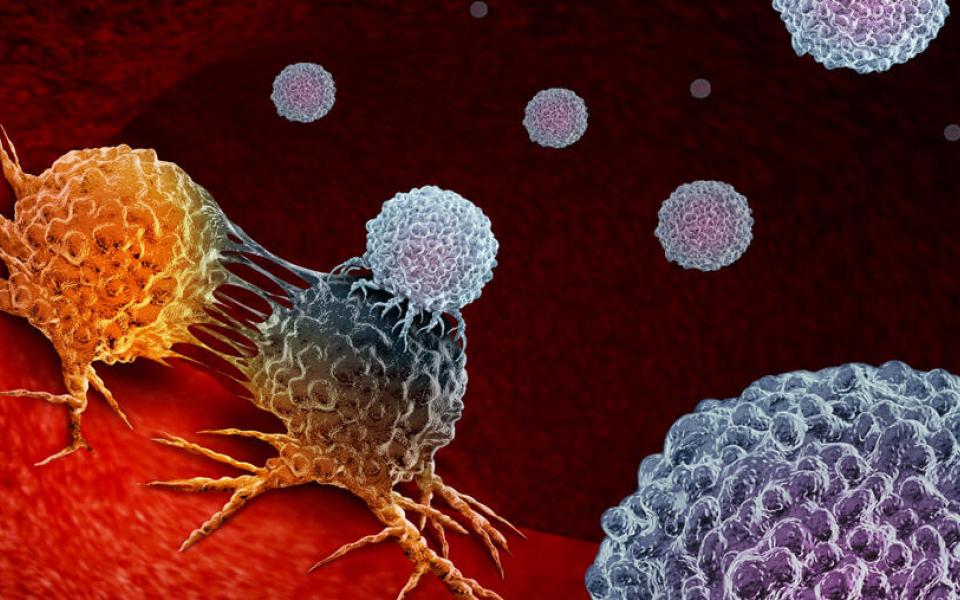
Immunotherapy continues to reshape modern cancer treatment in 2025 and 2026. Researchers are reporting major advances in CAR-T cell therapy, mRNA cancer vaccines, immune checkpoint inhibitors, and personalized cellular therapies. These breakthroughs are improving outcomes for patients with blood cancers and are beginning to show promise against difficult solid tumors.
What Is Immunotherapy?
Immunotherapy is a treatment approach that helps the body’s immune system recognize and attack cancer cells more effectively. Unlike chemotherapy, which directly targets rapidly dividing cells, immunotherapy works by strengthening or modifying immune responses.
Major forms of immunotherapy include:
- CAR-T cell therapy
- Immune checkpoint inhibitors
- Cancer vaccines
- Monoclonal antibodies
- Natural killer (NK) cell therapies
- Personalized immune-cell engineering
CAR-T Cell Therapy Continues Expanding
One of the fastest-growing areas in immunotherapy research is CAR-T therapy. This treatment modifies a patient’s T-cells to recognize cancer more efficiently.
Recent studies show CAR-T therapies are now moving beyond leukemia and lymphoma into solid tumors such as ovarian cancer, mesothelioma, bile duct cancer, and even brain tumors.
Key 2025–2026 CAR-T Findings
- Researchers at Penn Medicine reported promising early results from a new “KIR-CAR” therapy designed to reduce T-cell exhaustion and improve targeting of solid tumors.
- Multiple myeloma patients in early clinical trials experienced strong measurable residual disease responses with CAR-T therapy.
- Next-generation CAR-T therapies are being engineered with “on-off” mechanisms to reduce dangerous immune reactions.
- Researchers are also investigating “in vivo” CAR-T approaches, where the body itself produces modified immune cells after injection.
Immune Checkpoint Inhibitors Remain a Major Focus
Checkpoint inhibitors continue to transform treatment for cancers such as melanoma, lung cancer, kidney cancer, and bladder cancer.
These therapies block proteins such as PD-1, PD-L1, and CTLA-4 that cancers use to hide from immune attack.
Current Research Highlights
- Scientists are studying why some patients respond exceptionally well while others develop resistance.
- AI-driven predictive models are helping researchers identify which tumors may respond best to checkpoint therapies.
- Combination therapies pairing checkpoint inhibitors with vaccines, chemotherapy, or CAR-T cells are showing encouraging early results.
mRNA Cancer Vaccines Are Advancing Rapidly
After the success of COVID-19 vaccines, mRNA technology is now accelerating cancer vaccine research.
These vaccines teach the immune system to recognize tumor-specific proteins.
New Discoveries
Researchers at Mount Sinai Health System discovered new methods to improve where mRNA vaccines activate inside the body, potentially making them safer and more effective.
Emerging vaccine research is especially active in:
- Melanoma
- Pancreatic cancer
- Lung cancer
- Breast cancer
Therapeutic cancer vaccines are increasingly viewed as a major precision oncology strategy.
Immunotherapy for Solid Tumors
Historically, immunotherapy worked best in blood cancers. Solid tumors have been harder because tumors create suppressive microenvironments that weaken immune responses.
Researchers are now developing:
- Bispecific antibodies
- Armored CAR-T cells
- NK-cell therapies
- Cytokine-enhanced immune therapies
- Metabolic reprogramming strategies
These technologies are designed to help immune cells survive longer and penetrate tumors more effectively.
Artificial Intelligence Is Accelerating Immunotherapy Research
AI and machine learning are now playing a central role in immunotherapy development.
Scientists are using advanced computational models to:
- Predict patient responses
- Identify immune resistance pathways
- Personalize therapies
- Improve clinical trial design
One 2025 study reported AI models achieving strong predictive accuracy for immunotherapy response across multiple cancer types.
Major Challenges Still Facing Immunotherapy
Despite major progress, researchers continue working to solve several limitations:
Common Challenges
- High treatment costs
- Cytokine release syndrome
- Tumor resistance
- Limited effectiveness in some solid tumors
- T-cell exhaustion
- Manufacturing complexity
Scientists are actively engineering solutions to reduce side effects while improving long-term immune memory.
Future Outlook for Immunotherapy
Leading cancer organizations expect immunotherapy to become even more personalized during the next decade.
According to the American Association for Cancer Research (AACR), future advances will likely include:
- Earlier cancer interception
- Personalized immune engineering
- Improved vaccine platforms
- Better biomarker testing
- Expanded access to advanced therapies
Top Immunotherapy Research Sources
Research Organizations
Recent Scientific Articles
Final Thoughts
The latest immunotherapy research shows cancer treatment entering a new era of precision medicine. CAR-T therapies, mRNA cancer vaccines, checkpoint inhibitors, and AI-assisted immune engineering are rapidly improving outcomes for many patients.
Although challenges remain, 2025–2026 research suggests immunotherapy will continue expanding into more cancer types while becoming safer, more targeted, and increasingly personalized.