Tai Chi Walking Gave Me Better Balance and Less Stress
 Healing Taichi
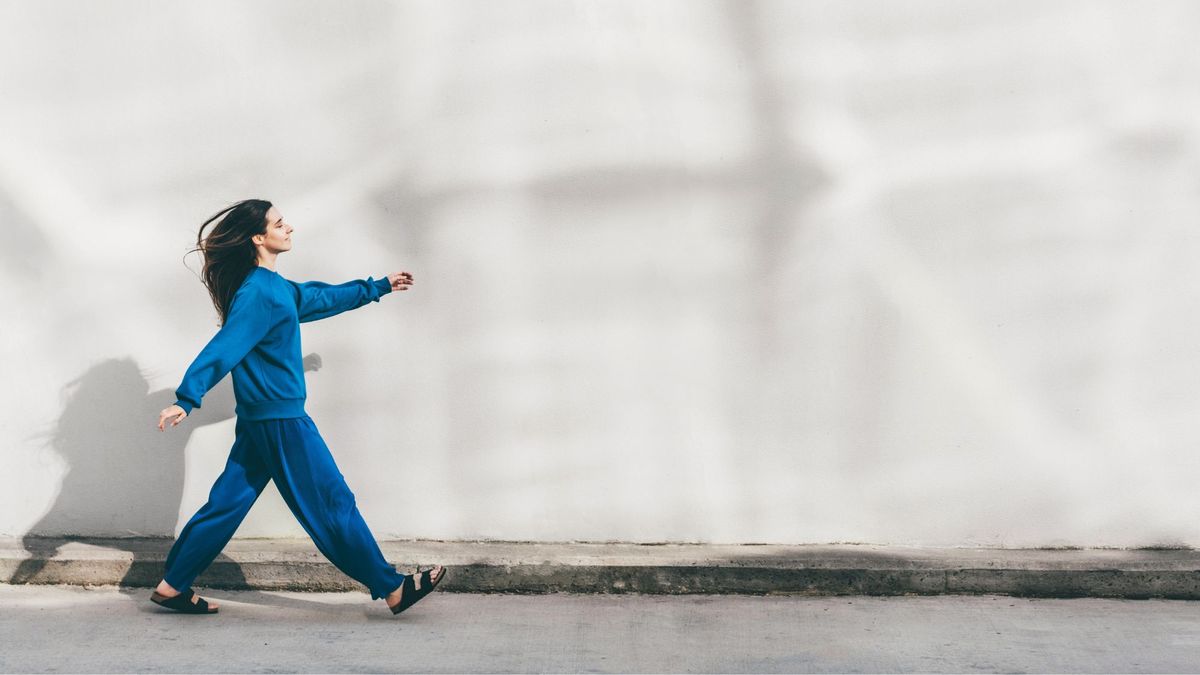
At first, ordinary walking felt like something I did without thought. Tai Chi walking changed that by slowing each step, making me notice my feet, posture, breathing, and balance. The changes came over weeks, not overnight, but my body began to feel steadier and my mind felt less crowded.
This practice gave me lower-impact movement, better body awareness, and a calmer way to exercise. It also helped me build a more lasting relationship with physical activity. My experience is personal, not medical evidence, and anyone with a health condition should ask a qualified health professional before starting.
Tai Chi Walking Made Everyday Movement Feel More Stable
Tai Chi walking centers on controlled weight shifts, relaxed alignment, grounded foot placement, and slow transitions. Those skills began to show up when I stood from a chair, turned in a hallway, climbed stairs, or walked across uneven ground. I felt less rushed and more aware of where my body was in space.
Practicing weight transfer improved my balance and coordination
Each step required me to move my weight fully from one leg to the other. I kept my torso upright, softened my knees, placed each foot with care, and avoided sudden movements. The slower pace exposed small wobbles that I would have missed during a normal walk.
Over time, shifting weight became smoother. I began to trust one leg before lifting the other foot. The CDC guidance for older adults includes balance activity as part of a healthy weekly routine, and Tai Chi walking became one way for me to practice that skill.
Better posture reduced unnecessary tension
Tai Chi walking helped me find a tall but relaxed posture. I let my shoulders drop, kept my spine long, and allowed my head to balance over my body instead of pushing my chin forward. This felt different from holding myself stiffly like a soldier.
That softer alignment reduced tension in my neck and upper back during walks. It also helped when I stood at the kitchen counter or waited in line. I learned that good posture can feel calm and flexible rather than forced.
Foot awareness helped me move more confidently
I started noticing how my heel, sole, and toes met the ground. That contact gave me useful information about whether my foot was stable before I shifted my weight. My steps felt more secure, especially on grass or a slightly uneven path.
A simple drill helped: I walked slowly in a clear space, paused after each step, and checked whether my foot felt fully supported. Only then did I move my weight forward. This small pause improved my control without needing special equipment.
Tai Chi Walking Gave Me a Low-Impact Way to Build Strength
Tai Chi walking looks gentle, but slow movement can challenge the legs, hips, core, and smaller stabilizing muscles. The work comes from control and time under tension, not speed or exhaustion. That made it useful on days when high-impact exercise felt unpleasant.
Slow steps engaged my legs and core without harsh impact
Partial knee flexion made my thighs work during each step. Controlled weight-bearing also asked my hips and core to keep my body steady. Because my feet stayed close to the ground, the practice created less jarring impact than running or jumping.
The effort was mild at first, then became more noticeable as I continued. I felt warmth in my legs without the soreness that often followed intense workouts. People with joint pain should still seek medical guidance, since low impact does not mean risk-free for everyone.
Repetition made movement easier to sustain
Short sessions were easier to repeat than long, exhausting workouts. I began with five to ten minutes on level ground and added time only when the practice felt comfortable. That approach helped me avoid the cycle of doing too much, getting sore, and stopping.
Regular practice mattered more than any single session. Even a brief walk gave me a reason to stand, move, and check in with my body. The World Health Organization’s physical activity guidance also stresses that any activity is better than none.
Recovery and safety became part of the routine
I wore supportive shoes and practiced on a dry, uncluttered surface. When my balance felt uncertain, I stayed near a wall or sturdy chair. I stopped if I felt pain, dizziness, chest discomfort, or unusual shortness of breath.
People with mobility limits, joint problems, or balance disorders may need help from a physical therapist or clinician. Slippery floors and crowded spaces can turn a slow exercise into an unsafe one. Recovery matters as much as practice, so I allowed rest when my legs felt tired.
Tai Chi Walking Helped Lower My Stress and Quiet My Mind
The slow pace gave my attention one clear task. I focused on each step, my posture, and comfortable breathing instead of replaying the same thoughts. The movement did not solve every stressful problem, but it gave my mind a useful pause.
Focused attention interrupted mental distraction
I used the cue “shift, place, settle” while walking. “Shift” reminded me to move my weight, “place” guided my foot, and “settle” helped me pause before the next step. Repeating those words brought my attention back whenever my mind wandered.
That focus made the practice feel like moving meditation. I finished many sessions feeling less tense, even when the day itself had not changed. These effects are personal observations, not proof that Tai Chi walking treats anxiety or depression.
Breathing became slower and more deliberate
I kept my breathing natural and never held my breath. The pace stayed slow enough that I could breathe without strain. Relaxing my shoulders also made my breath feel easier.
I did not force deep breaths or try to match every inhale to a certain number of steps. Comfortable breathing worked better for me than strict rules. If a pace caused breathlessness, I slowed down or stopped.
A calming routine made consistency more realistic
I attached Tai Chi walking to an existing habit. A morning session after brushing my teeth worked well, while an evening walk helped me release the day’s tension. Choosing a familiar, quiet place removed several reasons to skip practice.
I tracked practice days rather than grading each session. A short, uneven session still counted. That mindset helped me build consistency without turning exercise into another source of pressure.
Tai Chi Walking Increased My Body Awareness
Body awareness means noticing where the body is and what it feels while moving. Tai Chi walking improved my sense of foot position, muscle effort, tension, and fatigue. I became better at noticing small changes before they affected the rest of my movement.
I noticed tension before it became discomfort
I often held tension in my jaw, shoulders, hands, hips, and lower back. During a pause, I scanned those areas and softened any muscles that did not need to work. Then I checked my posture and resumed walking.
This body scan took less than a minute. It helped me stop gripping my hands and lifting my shoulders. The same habit later helped when I stood at a desk or carried groceries.
I learned to distinguish effort from pain
Working muscles can feel warm, tired, or mildly challenged. Sharp pain, worsening pain, joint pain, swelling, numbness, weakness, or dizziness calls for a stop and, when needed, professional advice. I learned to treat those signals as information rather than something to push through.
That change protected my practice from becoming a test of willpower. A safe session should leave room for normal movement later in the day. Persistent or severe symptoms deserve medical attention.
Awareness carried over into daily activities
I began shifting my weight before turning instead of twisting quickly. I also paid more attention to stable footing when lifting an object or rising from a chair. These small adjustments made everyday movement feel more deliberate.
Tai Chi walking did not make every task effortless. It gave me a better chance to notice poor balance or extra tension before acting. That awareness supported safer choices without promising a specific medical result.
The Health Changes Became Sustainable Through Consistent Practice
The biggest change came from repetition. Small sessions improved my confidence, movement habits, and stress control over time. Tai Chi walking complemented, rather than replaced, aerobic exercise, strength training, sleep, nutrition, and medical care.
A simple routine removed common barriers to exercise
I started with comfortable standing and a few easy weight shifts. Then I walked slowly for several minutes, paused to reset my posture and breathing, and finished with relaxed walking. The full routine could fit into a small room or a quiet outdoor space.
Duration and frequency should match current ability. Someone may begin with five minutes, while another person may need seated or supported practice. Progress works best when it stays gradual.
Progress was measured by function rather than speed
Speed was a poor measure of improvement. I paid attention to steadier turns, easier standing, more confidence on uneven ground, and less tension after practice. I also noticed when I followed the routine several days in one week.
These changes were meaningful because they affected daily life. They may not appear for every person, and they can vary with age, health, technique, and practice time. A health journal can help reveal patterns in balance confidence, mood, energy, discomfort, sleep, and session length over several weeks.
Professional guidance can make practice safer and more effective
A qualified Tai Chi instructor can correct posture and show safe progressions. A physical therapist can adapt the movements for weakness, joint limits, or fall concerns. A doctor or other licensed clinician can help decide whether the practice fits a current health plan.
What Tai Chi Walking Can and Cannot Do for Overall Health
Tai Chi walking may offer gentle movement, balance practice, and a mindful break from daily stress. Results depend on the person, the technique, the setting, and how often they practice. My experience suggests support, not a cure.
Benefits should be understood as supportive, not curative
Tai Chi walking cannot replace diagnosis, medicine, rehabilitation, or urgent care. It also cannot promise weight loss, disease prevention, or guaranteed improvements in balance. Anyone with new or troubling symptoms should contact a qualified health professional.
Combining Tai Chi walking with other healthy habits strengthens the routine
I paired Tai Chi walking with suitable resistance work, regular walking, mobility exercises, nourishing meals, and enough sleep. Each part addressed a different need. Gradual progress kept the routine manageable.
A personal health journal can reveal meaningful patterns
I recorded how long I practiced and how I felt before and after. I also noted sleep, energy, discomfort, and balance confidence. Looking at several weeks gave me more useful information than judging one difficult day.
Conclusion: Tai Chi Walking Changed My Health by Changing How I Moved
Tai Chi walking helped me shift my weight with more control, build strength without harsh impact, and use breathing to create calm. Better body awareness also helped me notice tension, fatigue, and unsafe movement sooner.
The value came from regular, attentive practice rather than speed or intensity. Choose a safe space, take a few slow steps, and pay attention to balance and breathing. Build gradually, and seek professional guidance when your health or mobility calls for it.