Tai Chi Walking Can Help in Weight Loss Shedding Those Extra Pounds
 Healing Taichi

A slow, careful walk can still get you moving. Tai chi walking for weight loss combines controlled steps, steady breathing, and attention to balance, making it an option for people who want a gentler way to add activity.
Weight change depends on habits you can maintain over time. Tai chi walking may help by adding movement to your week, but it doesn’t guarantee weight loss or replace other parts of a weight-management plan. Results vary with factors such as activity, eating habits, health, and routine.
Learn what the practice involves, how to start safely, and ways to fit it into a broader plan. You’ll also see what the evidence can—and can’t—tell you about weight loss.
How Tai Chi Walking May Support Weight Loss
Tai chi walking is a form of mindful movement. Its slow pace and focus on balance can make it easier to approach than faster exercise, though it may not suit everyone or meet every fitness goal.
What tai chi walking involves
The practice uses slow, controlled steps rather than a brisk stride. You stay upright without tensing, shift your weight with care, and breathe naturally as you move.
Paying attention to each step can help you notice how your body feels and where your balance is. The movements may feel unfamiliar at first, so begin with a short stretch of open floor or a few steps along a clear path.
How movement contributes to weight management
Physical activity uses energy, and regular movement can support weight management. The CDC’s guidance on physical activity and weight explains that combining activity with fewer calories from food and drinks creates an energy deficit that can lead to weight loss.
Tai chi walking won’t use the same amount of energy for everyone. Pace, session length, body size, and other factors all affect how much energy your body uses. A relaxed practice may use less energy than a brisk walk.
Why consistency may matter more than intensity
A comfortable activity can be easier to repeat each week. If tai chi walking feels manageable, it may help you build a regular movement habit and spend less time sitting.
That habit can support a broader plan, but mindful movement alone doesn’t promise weight loss. If your goal is to lose weight, pair regular activity with eating habits you can keep up over time.
What Evidence Says About Tai Chi Walking and Weight Loss
There’s an important difference between evidence about general physical activity and research on tai chi’s specific health effects. Tai chi walking itself hasn’t been established as a weight-loss treatment.
Physical-activity guidance for adults
The CDC’s adult activity guidelines recommend at least 150 minutes of moderate-intensity aerobic activity each week, plus muscle-strengthening activity on at least two days. You can spread the aerobic minutes across the week or break them into shorter sessions.
Tai chi walking may feel gentle, and not every session will reach moderate intensity. The CDC describes moderate activity as effort that makes your breathing and heart rate noticeably faster while still letting you talk. Your health and personal needs may call for different advice.
What tai chi research can show
The National Center for Complementary and Integrative Health (NCCIH) summary of tai chi research discusses findings on balance, falls, pain, and other outcomes. Some research suggests tai chi may help balance in certain groups, including older adults.
Those findings don’t prove that tai chi walking causes substantial weight loss. Research may examine different styles, groups, and goals, so avoid treating a result about tai chi as proof about this particular walking practice.
How to read weight-loss claims
Check whether a claim comes from a controlled study and whether the study tested tai chi walking itself. Look at how long people took part and whether they also changed their diet or did other activities.
A small or short study may offer useful clues, but it can’t answer every question about long-term weight change. Be wary of claims that promise a set amount of weight loss from one gentle exercise.
How to Practice Tai Chi Walking Safely
Start with a calm pace and a focus on control, not distance or calories. A few careful steps are enough for a first session.
Set up a safe place to walk
Choose a flat, clear surface with room to take a few steps in each direction. Wear supportive shoes, and start indoors or in a quiet outdoor spot where you won’t need to dodge traffic or uneven ground.
If your balance feels uncertain, practice near a stable counter or rail. Keep the support within reach, and don’t use a surface that could slide or tip.
Focus on posture, weight shifts, and breathing
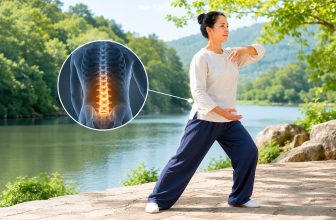
Stand tall without locking your knees or stiffening your shoulders. Take a small step, then shift your weight slowly and deliberately before moving the other foot.
Keep breathing in a natural rhythm. Stop if you feel pain, dizziness, or unusual shortness of breath, and seek medical advice if symptoms concern you.
Start with short sessions
Choose a pace and duration that feel comfortable. When that feels steady, add a little time or practice more often rather than trying to move faster right away.
If you have a health condition, fall concerns, or limited mobility, ask a healthcare professional before starting. They can help you decide whether the practice fits your needs.
Make Tai Chi Walking Part of a Weight-Loss Plan
Treat tai chi walking as one way to add movement, not the whole plan. A routine works best when it fits your schedule and leaves room for other habits that support health.
Build a weekly movement routine
Pick days and times that are easy to remember, such as a short session after breakfast. Add time gradually, and include other activities you enjoy, such as brisk walking or cycling.
Work toward the CDC activity guidance at a pace that suits your current fitness. Some activity is better than none, but tai chi walking counts toward moderate-intensity minutes only when your effort reaches that level.
Pair movement with sustainable eating habits
Food choices and portion patterns also affect energy balance. Aim for an eating routine that feels satisfying and realistic, rather than one built around strict rules you can’t maintain.
You don’t need to set a universal calorie target. For personal nutrition guidance, a registered dietitian can help you find an approach that fits your health, preferences, and daily life.
Track more than weight
You can note how often you practice, how long you move, and whether the steps feel more comfortable over time. Changes in balance, energy, or confidence may also help you see progress.
If you choose to weigh yourself, look at the trend rather than a single day. Daily scale changes don’t always reflect long-term changes in body weight.
Keep Progress Safe and Sustainable
Your routine may need to change as your schedule, health, or comfort changes. Adjusting the practice is a useful way to keep movement manageable.
Adapt the practice to your needs
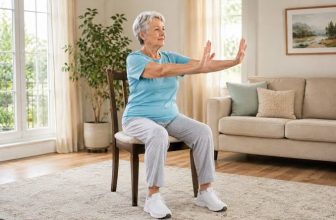
Try shorter sessions, slower steps, or a chair or rail for support. A qualified tai chi instructor can also help you learn the basic movements and adapt them to your ability.
Get medical advice if you develop pain, feel unwell, or have questions about exercising with a condition. Some medicines can affect balance, heart rate, or weight, so mention them when you ask for guidance.
Avoid common weight-loss pitfalls
Don’t expect rapid results from tai chi walking alone, and don’t push through pain to meet a goal. Exercise is for health and movement, not a way to earn food or make up for eating.
Progress can include better stamina, steadier movement, or a routine you can maintain. Weight is one measure, but it isn’t the only sign that your habits are helping.
Use trusted support
For activity guidance, start with the CDC’s recommendations. The NCCIH tai chi summary can help you understand what research says about balance and other outcomes.
A healthcare professional can offer advice based on your health history, especially if you manage a chronic condition or take medicine that affects activity or weight. Personal support can make a plan safer and more practical.
Make Tai Chi Walking One Small Step Toward Lasting Change
Tai chi walking can offer a gentle way to add movement, but it isn’t a guaranteed weight-loss treatment. Start with a short, safe session, build a routine you can repeat, and pair activity with eating habits that feel sustainable.
Long-term habits matter more than quick fixes. Choose one comfortable time this week to try a few mindful steps, then build from there.