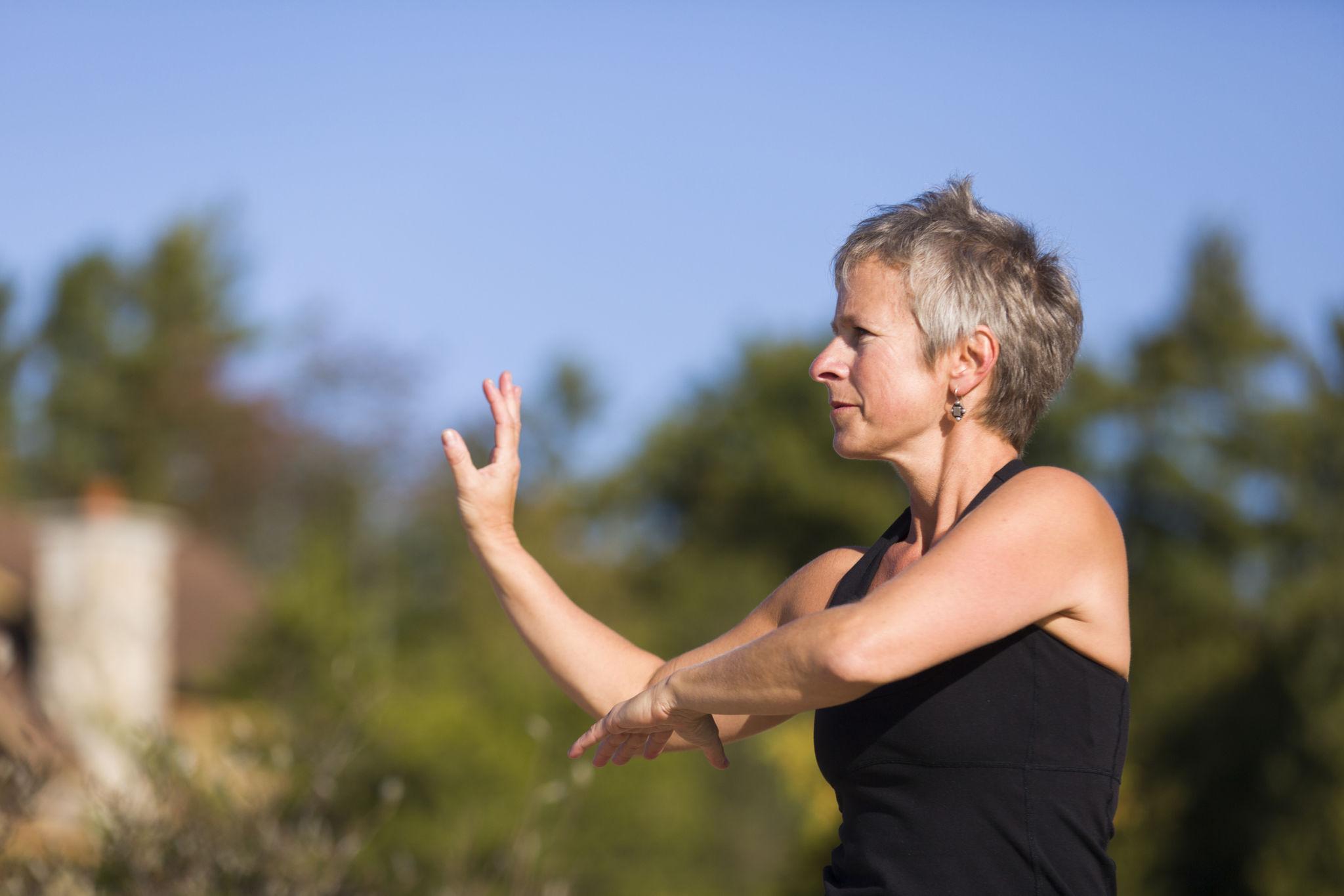
Tai Chi is widely recognized for its slow, flowing movements, but one lesser-known practice is Tai Chi Tapping (sometimes called body tapping or Qi tapping). This gentle technique combines rhythmic tapping with relaxed breathing and mindful movement to awaken the body, improve circulation, and prepare muscles and joints for exercise. Many Tai Chi and Qigong practitioners use tapping as part of their daily warm-up because it can help promote relaxation while encouraging healthy movement patterns.
Although research on Tai Chi has primarily focused on the complete practice rather than tapping alone, studies consistently show that Tai Chi improves balance, mobility, flexibility, and stress management. Tapping techniques are commonly incorporated into these routines as a gentle method of stimulating muscles, connective tissue, and body awareness.
What Is Tai Chi Tapping?
Tai Chi Tapping uses the fingertips or a loosely closed fist to rhythmically tap various parts of the body while maintaining relaxed posture and deep breathing. The practice typically includes tapping the:
Shoulders
Upper arms
Forearms
Chest
Abdomen
Lower back
Hips
Thighs
Knees
Calves
Ankles
Feet
The tapping is gentle—not forceful—and is intended to relax muscles rather than bruise tissue.
Benefits of Tai Chi Tapping
Improves Balance
Tai Chi develops body awareness, known as proprioception. Adding tapping before movement can increase awareness of the legs and feet, helping practitioners feel more stable during weight shifts.
Potential benefits include:
Better posture
Improved coordination
Reduced fear of falling
Increased confidence while walking
Tai Chi remains one of the most extensively studied exercises for improving balance in older adults.
Encourages Better Mobility
Gentle tapping followed by slow Tai Chi movements may help:
Loosen stiff joints
Warm muscles before exercise
Improve range of motion
Reduce feelings of tightness
Many instructors include tapping before practicing walking forms or balance exercises.
Promotes Calm and Stress Relief
The combination of rhythmic tapping, slow breathing, and mindful attention can encourage relaxation by reducing muscular tension and helping shift attention away from everyday stressors.
Many practitioners report:
Greater mental clarity
Reduced anxiety
Improved focus
Better sleep quality
Tai Chi itself has been associated with reduced stress and improved emotional well-being in numerous studies.
A Simple 5-Minute Tai Chi Tapping Routine
Try this easy routine before your daily Tai Chi practice.
Stand comfortably with relaxed shoulders.
Take three slow, deep breaths.
Gently tap each arm from shoulder to fingertips for 30 seconds.
Tap across the chest and upper back.
Tap the abdomen using light pressure.
Tap the hips and thighs.
Tap around the knees gently.
Continue down the calves and ankles.
Finish by lightly tapping the tops and bottoms of the feet.
Stand quietly for one minute and notice how your body feels.
Remember to breathe naturally throughout the exercise.
Who Can Benefit?
Tai Chi Tapping may be especially helpful for:
Older adults seeking better balance
Beginners starting Tai Chi
Office workers with muscle stiffness
Individuals recovering from inactivity (with healthcare provider approval)
Anyone looking for a relaxing daily wellness routine
If you have osteoporosis, bleeding disorders, recent surgery, or significant bruising, consult your healthcare provider before beginning any tapping routine.
Sample YouTube Video
A good introduction is:
Tai Chi Foot Tapping Exercises for Holistic Wellness – Enhancing Mobility, Sleep, and Vitality
Final Thoughts
Tai Chi Tapping is a simple addition to a traditional Tai Chi routine that can help prepare the body for movement while encouraging relaxation. Combined with regular Tai Chi practice, it may support better balance, smoother mobility, and a greater sense of calm. Because it requires no equipment and only a few minutes each day, it is an accessible wellness habit for people of nearly all fitness levels.
For additional Tai Chi articles, beginner tutorials, and healthy aging resources, visit HealingTaiChi.com.