Getting Started Today With Tai Chi Chuan For Beginner Exercises
 Healing Taichi

Can you improve balance and body awareness without jumping, running, or lifting heavy weights? Tai Chi Chuan for beginners offers a low-impact way to move, breathe, and focus. You don’t need martial arts experience, high fitness, or great flexibility to begin.
Build a Strong Foundation With Tai Chi Chuan
Tai Chi Chuan, also called Taijiquan or tai chi, began as a Chinese martial art. Today, many people practice it for relaxation, gentle exercise, balance, and better control of movement.
Understand What Tai Chi Chuan Is and How It Works
Tai Chi Chuan uses slow movements, steady postures, natural breathing, and focused attention. Each action flows into the next instead of stopping sharply.
The art still contains martial ideas such as turning, yielding, stepping, and redirecting force. Modern health classes often remove combat practice while keeping the core skills of posture, weight control, and calm movement. Britannica describes tai chi chuan as both a form of exercise and a martial art.
Know What Beginners Can Realistically Expect
Your first sessions may feel more like learning body control than performing a complete form. You’ll work on standing comfortably, shifting weight, placing your feet, and coordinating simple arm movements.
Progress comes through repetition. Early practice may improve your sense of balance and ease, but learning a full sequence can take time. There’s no need to copy an advanced student’s deep stance or large movements.
Learn Why People Begin Practicing Tai Chi
Common goals include better balance, easier joint movement, less daily tension, stronger concentration, and greater physical confidence. These are useful personal goals, but they aren’t promises of medical treatment.
The National Center for Complementary and Integrative Health says tai chi may help balance and reduce falls in older adults and people with Parkinson’s disease. It also notes that research strength varies by condition, so tai chi should support, not replace, medical care.
Prepare Your Body and Practice Space for Safe Learning
A few basic choices can make practice more comfortable. You need room to step, clothing that moves with you, and a surface that won’t cause slips.
Choose Comfortable Clothing and Supportive Footwear
Wear loose pants, a light shirt, or other flexible clothes that allow your hips, knees, shoulders, and ankles to move. Avoid clothing that restricts your waist or catches around your feet.
Choose flat, stable shoes with good grip. Barefoot practice can work on a clean, safe surface, but shoes may offer better support if you have sensitive feet or balance concerns.
Create a Stable, Uncluttered Practice Area
Use a level floor with enough space to step in several directions. Move rugs, cords, furniture, and other trip hazards before you start.
An indoor room offers steady lighting and weather control. A quiet outdoor area can also work if the ground is dry, even, and free of obstacles. Good airflow helps you stay comfortable.
Adapt Practice to Your Current Ability
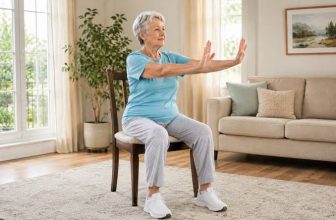
Start with smaller arm circles, less knee bend, and shorter practice periods. You can hold the back of a sturdy chair during balance work or perform selected movements while seated.
If you have an injury, frequent dizziness, major balance limits, or a health condition, ask a qualified health professional how to begin. Stop before discomfort turns into strain.
Learn the Core Principles That Make Tai Chi Chuan Effective
Tai chi is more than copying hand shapes. The quality of your posture, weight shift, breathing, and attention gives each movement its purpose.
Align the Head, Spine, Hips, and Knees
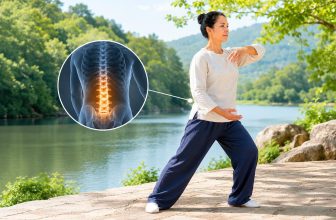
Keep your head upright, shoulders relaxed, and spine lengthened without stiffness. Let your knees stay soft rather than locked, and keep your hips in a comfortable neutral position.
Avoid forcing your back into an arch or pushing your knees inward. A smaller range with good control is safer and more useful than a deep stance that causes pain.
Shift Weight Slowly and Deliberately
Tai Chi Chuan teaches you to move your weight before you step. Feel one foot become lighter while the other supports more of your body.
Keep both feet connected to the ground during the transfer. Move your center slowly, then place the stepping foot with care. This practice builds control and reduces rushed, unstable steps.
Coordinate Breathing, Movement, and Attention
Breathe in a natural rhythm. Don’t hold your breath or force a long inhale to match a movement.
Keep your attention on body sensations, foot pressure, and smooth transitions. Calm focus helps you notice tension in your shoulders, jaw, hands, or knees before it affects the movement.
Follow a Beginner-Friendly Tai Chi Chuan Practice Routine
A short routine gives you enough structure without creating pressure. Aim for steady practice and comfortable movement instead of speed or perfect form.
Begin With Gentle Warm-Up Movements
Start with relaxed standing for a few breaths. Add shoulder rolls, easy ankle and wrist motion, gentle knee bends, and slow weight shifts.
The warm-up should increase awareness and ease. It shouldn’t cause sharp pain, joint pressure, or heavy fatigue.
Practice Foundational Movements Before Long Forms
Begin with Wuji standing, opening and closing the arms, simple qigong-style movements, or basic cloud hands. You may also study a brush-knee variation once you understand weight transfer.
Names and methods differ by school. Follow your teacher’s version rather than mixing several systems at once.
Use a Short, Repeatable Session Format
Try this pattern: settle in, warm up, practice one or two basic movements, repeat a short form section, then stand or sit quietly to cool down. At home, even a brief session can help you build a regular habit.
Leave enough energy for your next activity. As control improves, add time or another movement instead of making every session harder.
Follow Along With a Reliable Instructional Video
This free lesson from Dr. Paul Lam is a standing beginner session of about 15 minutes. It introduces safety, warm-up work, and early Tai Chi movements. Pause often, use smaller motions, and remember that a video can’t provide personal posture correction.
Avoid Common Beginner Mistakes and Build Consistent Progress
Many early problems come from trying to do too much. Tai chi should feel controlled, steady, and repeatable.
Avoid Forcing Flexibility or Bending Too Deeply
Don’t chase a low stance or large stretch. Keep your knees soft, your back natural, and your movements within a pain-free range.
Smooth motion matters more than dramatic shape. Advanced students may look lower or wider because their bodies have learned those positions over time.
Prioritize Smoothness Over Memorizing Every Detail
Learn the direction, rhythm, foot placement, and weight shift first. Small details can come later through practice and feedback.
If you forget a hand position, keep moving slowly or return to a neutral stance. Staying relaxed helps you learn more than rushing to finish a sequence.
Practice Regularly Without Overtraining
Choose a schedule you can repeat around work, family, and recovery. Track changes in steadiness, focus, breathing comfort, and confidence rather than expecting a fixed result by a certain date.
Know When to Modify or Stop
Stop if you feel sharp pain, dizziness, unusual shortness of breath, or loss of balance. Sit or hold a stable support, and seek medical or movement guidance when symptoms continue.
Choose the Right Way to Continue Learning
Your best learning method depends on your goals, budget, mobility, and need for feedback. A mix of classes and careful video practice often works well.
Learn From a Qualified Local Instructor
An in-person teacher can correct your stance, foot position, knee angle, and transitions. Ask about training, teaching experience, beginner classes, and safety modifications.
NCCIH notes that tai chi instructors don’t follow one national licensing standard. Look for clear instruction and practical experience rather than dramatic health claims.
Use Online Classes and Video Lessons Strategically
Online videos offer low-cost repetition and flexible practice. Choose teachers who explain alignment, show easier options, and tell you when to rest.
Use one clear program for several weeks before collecting many different lessons. Too many teaching styles can make basic movements harder to follow.
Explore Different Tai Chi Chuan Styles
Yang style often uses slow, open movements. Chen style may include more changes in speed and stronger stances, while Wu and Sun styles have their own posture, stepping, and form features.
Schools and teachers may use different names or sequences. Start with an accessible class, then explore other styles when you understand the basic principles.
Build a Sustainable Tai Chi Chuan Habit
Tai chi becomes easier to maintain when it fits a routine you already have. Keep your first sessions simple enough that you want to repeat them.
Attach Practice to an Existing Daily Routine
Practice after waking, before an evening walk, or during a regular work break. Leave your shoes and clothing ready, and keep the practice area clear.
Measure Progress Through Awareness and Control
Notice whether you stand with less tension, shift weight with more confidence, and breathe comfortably while moving. Completing a form matters, but control and awareness matter more.
Keep the Practice Enjoyable and Adaptable
Practice standing, seated, indoors, outdoors, alone, or with a group. You can change the routine as your ability changes while keeping the movements relaxed and controlled.
Conclusion
Tai Chi Chuan is accessible to beginners because it doesn’t depend on speed, strength, or flexibility. Start with neutral posture, soft knees, careful weight shifts, and natural breathing.
Choose a safe space, follow the linked beginner lesson, and repeat a short routine at a comfortable pace. Seek a qualified instructor when you need personal feedback, then let skill grow through steady practice.