Here’s the latest verified research on the diet linked to a much lower risk of stroke, based on new scientific findings published February 2026:
🧠 Key Finding: Mediterranean Diet
A large long-term study found that women who closely followed a Mediterranean-style diet had a significantly lower risk of stroke compared with women who didn’t follow this eating pattern.
Stroke risk reductions observed in the study:
Overall stroke risk: ~18 % lower for high adherence vs. low adherence.
Hemorrhagic stroke (bleeding in the brain): ~25 % lower.
What defines the Mediterranean diet: A dietary pattern featuring:
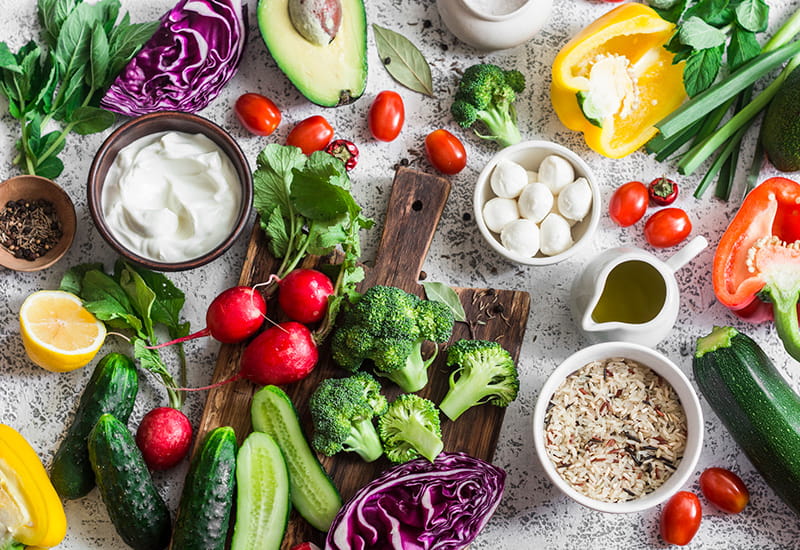
Lots of vegetables, fruits, legumes, whole grains
Fish and seafood
Healthy fats, particularly olive oil
Nuts and seeds
Limited red meat and saturated fats
More reporting confirms this association with multiple forms of stroke and supports the diet’s broader cardiovascular benefits.
⚠️ Important nuance: These studies show a strong association—which suggests benefit—but do not prove direct causation (i.e., the diet itself causes fewer strokes). Researchers emphasize the need for further work to confirm mechanisms and applicability to broader populations.
Here’s a concise, evidence-based summary of the specific foods and meal patterns within the Mediterranean diet most strongly linked to lower stroke risk, especially ischemic stroke.
Foods Most Associated With Stroke Risk Reduction
🫒 1. Extra-Virgin Olive Oil (Primary Fat)
Replaces butter and animal fats
Improves endothelial function
Reduces inflammation and LDL oxidation Pattern: Used daily, often at every meal
🐟 2. Fatty Fish (2–3× per week)
Examples:
Salmon
Sardines
Mackerel
Anchovies
Why it matters:
Rich in omega-3 fatty acids
Lowers clot formation and triglycerides
Improves blood vessel flexibility
🥬 3. Vegetables (Especially Leafy Greens)
Examples:
Spinach
Kale
Swiss chard
Broccoli
Why it matters:
High in potassium, nitrates, and antioxidants
Helps lower blood pressure
Improves vascular health
Pattern: Vegetables at every meal, not just dinner
🫘 4. Legumes (Several Times per Week)
Examples:
Lentils
Chickpeas
Beans
Why it matters:
Stabilize blood sugar
Reduce LDL cholesterol
Replace red meat protein
🌾 5. Whole Grains (Daily, Unrefined)
Examples:
Whole wheat
Barley
Oats
Farro
Why it matters:
Fiber improves cholesterol ratios
Slower glucose absorption reduces vascular stress
🥜 6. Nuts & Seeds (Small Amounts, Regularly)
Examples:
Walnuts
Almonds
Flaxseed
Why it matters:
Improve lipid profiles
Anti-inflammatory effects
Linked to lower stroke incidence even in small servings
Meal Patterns That Matter Most
✅ Consistent, Moderate Eating
Regular meals
Avoids large blood-sugar spikes
Often paired with walking or light movement
🍽️ Protein Shift Pattern
Fish + legumes > poultry > red meat
Red meat: infrequent, small portions
🧂 Low Sodium, High Flavor
Uses herbs, garlic, onion, lemon
Naturally lowers blood pressure without strict salt avoidance
🍷 Optional: Light Wine With Meals
Typically red wine
Only in moderation and with food
Not recommended for non-drinkers to start
What Matters Less Than Expected
Exact calorie counting
Macronutrient ratios
“Superfoods”
👉 Consistency of the pattern matters far more than any single food.