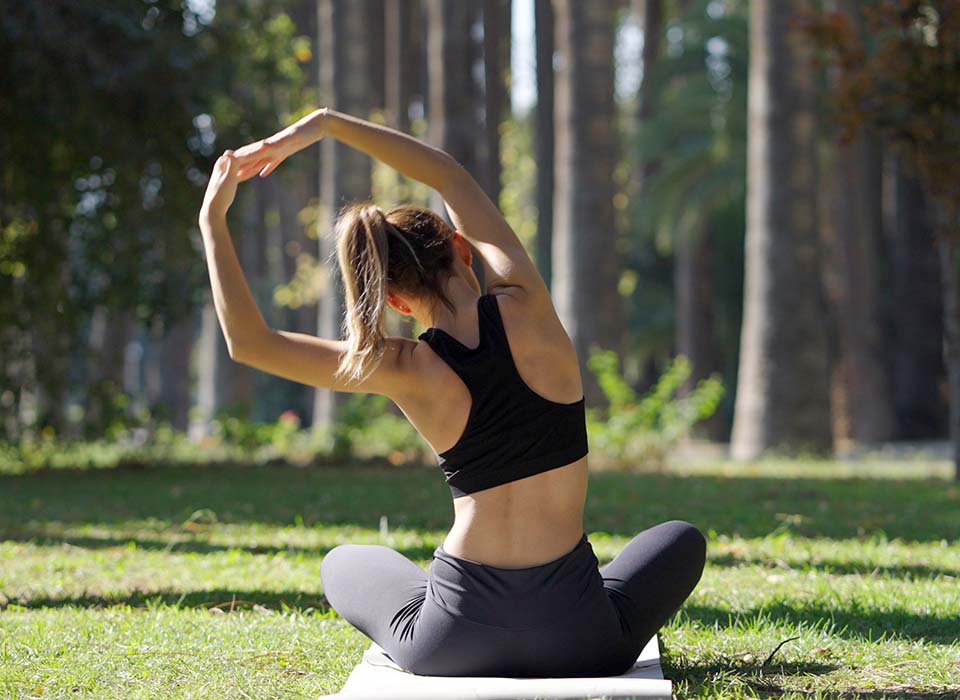
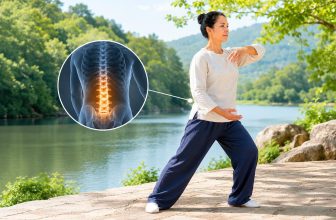
Blending Yoga and Tai Chi into a single exercise routine creates a balanced, low-impact practice that supports strength, mobility, relaxation, and long-term consistency. While each discipline stands on its own, their overlap in mindful movement and breath control makes them especially complementary.
Why Combine Yoga and Tai Chi?
Both systems emphasize mind–body integration, but they approach it from slightly different angles:
- Yoga focuses on postural alignment, flexibility, muscular endurance, and static or semi-static holds.
- Tai Chi emphasizes continuous, flowing movement, weight shifting, balance, and coordinated breathing.
When combined, you get:
- Improved joint mobility without overstretching
- Strength with less muscular tension
- Better balance and fall resistance
- A smoother transition from stillness to motion
How They Complement Each Other
1. Static + Dynamic Balance
Yoga postures build stability and strength in held positions. Tai Chi then trains you to maintain that stability while moving, which transfers better to daily activities.
2. Breath Awareness
Yoga often uses structured breathing patterns, while Tai Chi emphasizes natural, relaxed breathing. Practicing both helps avoid rigid breath control while maintaining awareness.
3. Nervous System Regulation
Yoga’s slower holds support parasympathetic (calming) activation. Tai Chi’s rhythmic flow reinforces this effect while keeping the body gently active.
Sample Combined Routine (20–30 Minutes)
1. Centering & Warm-Up (5 minutes)
- Standing posture awareness
- Gentle neck, shoulder, and hip circles
- Slow nasal breathing
2. Yoga Segment (10 minutes)
- Seated or standing spinal movements
- Gentle standing poses for leg strength and posture
- Short, comfortable holds (no strain)
3. Tai Chi Segment (10–15 minutes)
- Weight-shifting drills
- Slow stepping patterns
- Simple flowing movements emphasizing relaxation and continuity
4. Cool Down (3–5 minutes)
- Standing or seated stillness
- Body scanning and relaxed breathing
Who Benefits Most?
This combined approach works especially well for:
- Adults seeking joint-friendly exercise
- People managing stress, stiffness, or balance concerns
- Those who want movement without high intensity
- Practitioners looking for long-term, sustainable routines
It’s also highly adaptable—both practices can be done standing, seated, or even partially supported.
Programming Tips
- Keep intensity at about 60–70% effort to avoid fatigue
- Transition smoothly between Yoga and Tai Chi sections
- Prioritize relaxation over range of motion
- Consistency matters more than session length
Bottom Line
Combining Yoga and Tai Chi creates a functional, meditative movement practice that supports both physical health and mental clarity. Rather than choosing one over the other, integrating both allows you to benefit from stillness and flow—a powerful combination for lifelong movement and wellness.