A steady step, an easy turn, or standing up from a chair can take more effort with age. Tai chi for healthy aging offers a low-impact way to practice these everyday movements through slow, controlled exercise.
You need little or no equipment. The practice’s main tools are weight shifts, upright posture, coordinated arm and leg movements, and attention to breathing. Tai chi can support an active routine, but it can’t guarantee protection from age-related changes or replace medical care.
Here’s how the practice may help with balance, mobility, strength, and focus, plus how to start safely and make movements fit your needs.
Tai Chi for Healthy Aging Trains Everyday Movement
Tai chi is a mind-body practice built around deliberate movement, balance, and coordination. Some forms are gentle enough for beginners, and instructors can adapt movements for different abilities. Benefits vary, and regular practice matters.
Why Slow, Controlled Movement Can Be Challenging
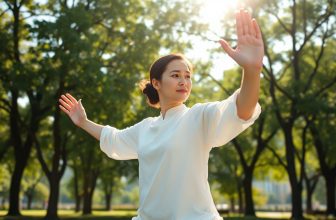
A tai chi sequence may look easy, but shifting your weight while keeping your posture steady takes control. Your arms and legs move in time, and you pay attention to where your feet land. Tai chi is more than stretching or standing still.
The Core Skills Behind the Practice
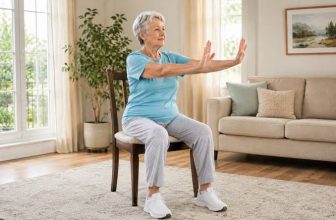
Posture, weight transfer, joint movement, coordination, and breath awareness are the practice’s basic tools. A class may use standing forms, smaller movements, or chair-supported options. The right version lets you move with control instead of forcing a range or stance.
What Research Can—and Cannot—Tell Us
The National Center for Complementary and Integrative Health’s tai chi research and safety overview says tai chi may improve balance and help prevent falls in older adults. Its summary also shows that evidence differs by health outcome and by study. Tai chi isn’t proven to prevent disease or reverse aging.
Tai Chi for Healthy Aging Can Build Balance and Confidence
Weight shifts and changes in stance give you a chance to practice steadiness while moving. That can relate to walking, turning, and other daily actions, though improvement isn’t guaranteed. Tai chi can be one part of a broader plan to reduce fall risk.
How Weight Shifts Practice Balance
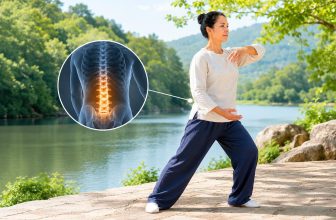
In a basic movement, you might shift your weight from one leg to the other, then turn in a new direction. Small, controlled shifts can help you notice how your body responds. Start with a short range and hold a wall or chair if you need support.
Why Fall Prevention Deserves Attention
The CDC’s older-adult falls data reports that more than 14 million adults age 65 and older, or about one in four, fall each year. Falls can have many causes, including medication effects, health conditions, and reduced strength or balance. Tai chi may help, but it’s only one possible part of a fall-prevention plan.
Make Practice Safer From the Start
Choose a clear space with a nonslip floor, wear stable footwear, and keep a solid chair or wall nearby if balance feels uncertain. If you’ve fallen recently, feel dizzy, or have major mobility concerns, ask a health professional what activity is suitable. Stop if a movement causes pain or makes you feel unsteady.
Tai Chi Supports Strength and Mobility for Daily Tasks
Tai chi gives you a chance to practice standing, turning, reaching, and walking with care. These movements may support comfort and control, but a class may not replace strength or mobility exercises prescribed for you.
Use Repeated Movements to Practice Lower-Body Control
A gentle bend in the knees or a small rise from a lower stance can engage the legs and hips. Keep the movement shallow enough to stay comfortable and steady. There’s no need to force a deep stance to benefit from practice.
Keep Joints Moving Without Rushing
Flowing movements let you practice moving your joints through a comfortable range while coordinating your body. Make each movement smaller if it causes pain, strain, or loss of balance. Smooth and manageable matters more than wide or fast.
Connect Tai Chi to Functional Fitness
Turning to look behind you, shifting weight before taking a step, and reaching while staying upright are all useful movement patterns to practice. They don’t promise a particular outcome, but they connect tai chi to daily function. The U.S. Physical Activity Guidelines for Americans recommend that older adults include balance, aerobic, and muscle-strengthening activity in a varied routine, as their abilities allow.
Breathing and Focus Make Tai Chi a Mind-Body Practice
Tai chi pairs movement with attention and natural breathing. You may focus on your stance, foot placement, or the way one movement flows into another. This can make a session engaging without promising a specific mental-health or memory benefit.
Coordinate Breath With Comfortable Movement
Let your breath stay natural as you move. You don’t need to follow a strict pattern or hold your breath. Pause and reset if you feel lightheaded or uncomfortable.
Use Attention to Improve Movement Awareness
Notice how your feet meet the floor and how your weight shifts from side to side. This steady attention can help you catch a movement that feels strained or off balance. It also gives the practice a clear focus.
Choose a Pace That Encourages Consistency
Start with a short session that feels manageable, then add time as your comfort grows. You can repeat a few basic movements rather than learning a long sequence at once. Regular practice is a more useful starting goal than perfect form.
Build a Tai Chi Routine That Fits Your Body
Tai chi styles and teaching methods vary, so look for a class or video that suits your comfort and needs. Modifications are a normal part of learning. A smaller stance or supported movement still gives you a way to practice.
Find Supportive Instruction and Adaptations
Look for an instructor with experience teaching older adults or adapting movement for mobility limits. Ask whether the class offers beginner instruction, chair-supported options, and ways to change stances. Since tai chi instructors aren’t required to hold a national license, ask about their training and teaching experience.
Start With Simple, Repeatable Practice
Clear a safe space, warm up with a few gentle movements, and learn a small set of basic forms. Stop if you have chest pain, unusual shortness of breath, or dizziness. If a health condition affects your exercise choices, ask a health professional for guidance before starting.
Track Comfort and Progress Without Chasing Perfection
Keep a simple note of how often you practice and how your movements feel. You might also notice whether turning, stepping, or standing feels more comfortable in daily life. Progress can mean practicing more regularly or moving with greater ease, not mastering a long routine.
Takeaways: Use Tai Chi as a Practical Tool for Aging Well
Tai chi offers a gentle way to practice balance, coordination, mobility, and focused movement, with adaptations for many ability levels. It needs little equipment, and you can begin at a comfortable pace with support close by. For the best fit, seek qualified instruction or medical guidance when your health or balance calls for it.
Use tai chi as part of a safe, varied activity routine, not as a cure or a guarantee. Choose one basic movement, clear a practice space, and try a short session. Build from there as your comfort grows.