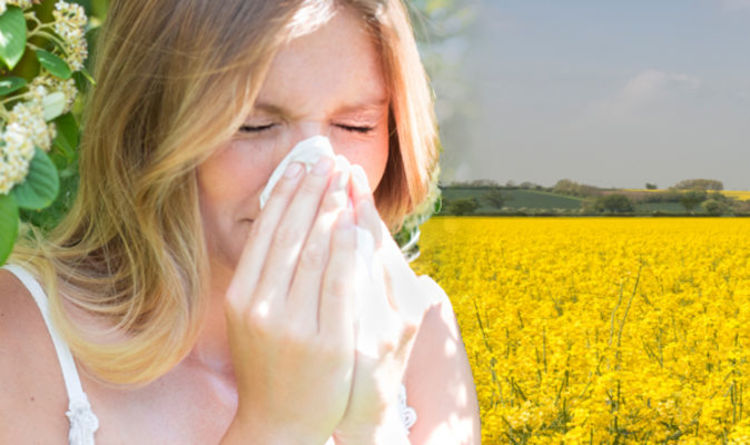
Seasonal allergies, also called hay fever or allergic rhinitis, affect millions of Americans every year. Pollen from trees, grasses, weeds, and mold can trigger sneezing, congestion, itchy eyes, coughing, and fatigue. Fortunately, there are now more treatment options than ever — from simple lifestyle changes to advanced immunotherapy.
What Causes Seasonal Allergies?
Seasonal allergies occur when your immune system overreacts to airborne allergens such as:
Tree pollen in spring
Grass pollen in summer
Ragweed and weeds in fall
Mold spores during damp weather
Common symptoms include:
Sneezing
Runny or stuffy nose
Itchy eyes and throat
Postnasal drip
Sinus pressure
Fatigue
According to the Mayo Clinic, allergy symptoms can often be managed effectively with the right combination of medications and environmental controls.
Best Over-the-Counter Allergy Medications
Antihistamines
Antihistamines block histamine, the chemical responsible for many allergy symptoms.
Popular non-drowsy options include:
Cetirizine (Zyrtec)
Loratadine (Claritin)
Fexofenadine (Allegra)
These medications work well for:
Sneezing
Itchy eyes
Runny nose
Some antihistamines may still cause drowsiness in certain individuals.
Nasal Steroid Sprays
Many allergists now consider nasal corticosteroid sprays the most effective first-line treatment for seasonal allergies.
Common options include:
Fluticasone (Flonase)
Triamcinolone (Nasacort)
Budesonide (Rhinocort)
These sprays help reduce:
Nasal inflammation
Congestion
Sneezing
Postnasal drip
Experts recommend starting nasal sprays 2–3 weeks before allergy season begins for maximum effectiveness.
Natural Seasonal Allergy Relief Options
Many people combine medication with natural strategies to reduce pollen exposure and inflammation.
Saline Nasal Rinses
Using a saline rinse or neti pot can help flush pollen and mucus from nasal passages.
HEPA Air Purifiers
Air purifiers can reduce indoor pollen and dust levels, especially in bedrooms.
Shower After Outdoor Exposure
Pollen sticks to hair, skin, and clothing. Showering after spending time outside can reduce symptoms significantly.
Keep Windows Closed
During high pollen days, use air conditioning instead of opening windows.
Monitor Pollen Counts
Limiting outdoor activity during peak pollen times can help reduce flare-ups.
Long-Term Allergy Relief: Immunotherapy
For people with severe or persistent allergies, immunotherapy may provide long-lasting improvement.
Allergy Shots
Allergy shots gradually expose the immune system to allergens over time.
SLIT uses dissolvable tablets or drops under the tongue instead of injections.
This newer option is becoming increasingly popular for:
Grass pollen allergies
Ragweed allergies
Dust mite allergies
Reddit allergy communities frequently report long-term improvement from both allergy shots and SLIT therapies.
Are Seasonal Allergies Getting Worse?
Research and physician reports suggest allergy seasons are becoming longer and more intense due to climate change and rising pollen counts.
Warmer temperatures and longer growing seasons are increasing pollen exposure across many regions of the United States.
Lifestyle Tips That May Help
Wear Sunglasses Outdoors
This can help reduce pollen exposure to the eyes.
Change Clothes After Being Outside
Avoid bringing pollen indoors.
Vacuum Frequently
Use HEPA-filter vacuums when possible.
Wash Bedding Weekly
Dust mites and pollen often accumulate in sheets and pillowcases.
Consider Wearing a Mask During Yard Work
Masks can reduce inhaled pollen exposure substantially.
When to See an Allergist
You should consider allergy testing or specialist care if:
Symptoms last most of the year
Over-the-counter medications are not working
Allergies interfere with sleep or daily life
You develop wheezing or asthma symptoms
An allergist can identify specific triggers and recommend customized treatment plans.
Final Thoughts
Seasonal allergies can range from mildly annoying to severely disruptive, but effective relief options are available. Many people find success using a layered approach that combines:
Non-drowsy antihistamines
Nasal steroid sprays
Environmental controls
Saline rinses
Long-term immunotherapy when needed
Starting treatment early and staying consistent often produces the best results.