Introduction
Millions around the world struggle to fall asleep or stay asleep through the night. Sleepless nights can bring a flood of problems — from stress and fatigue to serious health risks. Many people turn to sleep medicines, hoping for quick relief. But these pills can cause dependence and unwanted side effects.
Thankfully, natural options like Tai Chi, Yoga, and jogging are gaining popularity. They don’t just help you sleep better, but also boost your overall health. Scientific studies show that these gentle activities can be just as effective as medication for improving sleep. Adopting them might be the healthier, safer choice for long-term rest.
The Science Behind Sleep and Natural Interventions
Understanding Insomnia: Causes and Effects
Insomnia isn’t just trouble drifting off; it’s often caused by stress, anxiety, poor sleep habits, or an unhealthy lifestyle. When sleep gets disrupted regularly, it can lead to mood problems, high blood pressure, and trouble focusing.
Long-term insomnia weakens mental health and increases risks of heart disease. It’s no surprise many seek a fix fast, but pills are not always the best answer.
How Mind-Body Practices and Exercise Improve Sleep
Activities like Tai Chi, Yoga, and jogging help the body and mind reset. They reduce stress hormones like cortisol, calm nerves, and improve hormone balance — especially melatonin, the sleep hormone. When your body’s relaxation response kicks in, falling asleep becomes easier.
Scientists have tracked how these practices boost total sleep time and make sleep more restful. Regular exercise and calming mind-body habits can bring huge benefits for those struggling with insomnia.
Comparing Natural Approaches to Sleep Medications
Sleep pills, though tempting, often carry risks. They can create dependence, cause grogginess, or interfere with brain function over time. They might help you fall asleep initially but might not promote deep, quality sleep.
On the other hand, natural methods build healthier sleeping habits naturally. They’re safe, sustainable, and improve your health beyond just sleep. These approaches can be part of a lifestyle change you won’t regret.
Benefits of Tai Chi as a Sleep-Enhancing Practice
Overview of Tai Chi
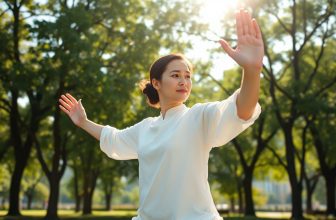
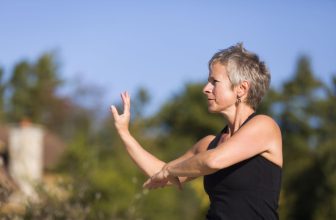
Tai Chi is an ancient Chinese practice combining slow, flowing movements with deep breathing. It’s often called “meditation in motion” because it promotes calmness and balance. As you practice, your mind relaxes, and tension leaves your body.
This gentle exercise has a long history of helping people de-stress. It’s especially good for older adults who want a low-impact way to stay active.
Scientific Evidence Supporting Tai Chi for Sleep
Research has shown how Tai Chi can improve sleep in many groups. For example, elderly adults practicing Tai Chi report fewer nighttime awakenings and longer sleep duration. Controlled studies find significant improvements in sleep quality after just a few weeks of regular practice.
Tai Chi’s calming effects are proven to lower anxiety levels, making it easier to drift into sleep at night.
Practical Tips for Incorporating Tai Chi into Daily Life
Start with 10 to 15 minutes daily. Find a quiet space and follow beginner-friendly videos or local classes. Practice in the evening, but at least an hour before bed is best.
Even simply focusing on slow, mindful movements can help. If you’re new, seek out qualified instructors or online recordings to get started right.
Yoga as a Natural Remedy for Insomnia
Understanding Yoga and Its Stress-Relief Properties
Yoga connects physical postures with breathing and meditation. Styles like Hatha and restorative yoga are particularly helpful for sleep because they promote relaxation and mental calm.
Deep breathing and mindfulness during yoga calm the nervous system and reduce stress hormones like cortisol. The result? You feel more relaxed and ready for sleep.
Evidence-Based Benefits of Yoga on Sleep Quality
Studies have found that practicing yoga regularly can reduce insomnia symptoms. People report falling asleep faster and experiencing deeper, more restful sleep. Yoga also balances melatonin and cortisol levels, supporting the body’s natural sleep cycle.
This isn’t just about stretching; yoga works on your mind and hormonal balance.
Yoga Practices to Promote Better Sleep
Try poses like forward bends, legs-up-the-wall, and child’s pose an hour before bed. These postures release tension and promote relaxation. Using guided videos or apps can help establish a bedtime yoga routine.
Stick with it — consistency is key. Making yoga a nightly ritual can help you fall asleep faster and improve sleep quality over time.
Jogging and Aerobic Exercise for Improved Sleep
The Role of Physical Activity in Sleep Regulation
Aerobic exercise, including jogging, increases your sleep drive and deepens sleep. When you run or bike, your body gets tired in a healthy way, making rest more restorative later.
The timing of exercise matters. Morning or early afternoon workouts tend to boost sleep, while late-night jogging might interfere with falling asleep.
Research Findings on Jogging and Sleep Improvements
Research shows regular jogging can extend sleep duration and decrease night awakenings. It’s especially effective for people with mild insomnia. Jogging also improves overall mood, reducing anxiety that often keeps people awake.
Adding a daily run can pave the way for a more restful night.
Tips for Safe and Effective Jogging for Better Sleep
Begin slowly with short distances, then gradually increase. Always warm up before and cool down after jogging. Wear comfortable shoes and track your progress with fitness apps.
Consistency is vital. Over time, your body will thank you with better sleep and increased energy during the day.
Integrating Tai Chi, Yoga, and Jogging into a Holistic Sleep Strategy
Combining Practices for Maximum Benefits
Mixing these activities creates a well-rounded routine. For example, jog in the morning, do yoga in the evening, and practice Tai Chi on weekends. Schedule gentle activities close to bedtime to help unwind.
A balanced plan keeps you physically active and calm, making sleep come naturally.
Lifestyle Modifications to Support Sleep
Adopt good sleep habits: go to bed and wake up at the same time. Avoid screens an hour before bed, and keep your bedroom dark and quiet.
Eat light meals in the evening and skip caffeine after noon. These small changes make big differences.
Tracking Progress and Adjusting Practices
Use a sleep journal or app to see what’s working. Note your activity routines, bedtimes, and how you feel each morning. Adjust your habits based on your progress.
If sleep problems persist, consult a healthcare professional for personalized advice.
Conclusion
Natural activities like Tai Chi, Yoga, and jogging aren’t just healthy choices—they can rival pills in fighting insomnia. These practices are safe, effective, and support your overall wellbeing.
Making them a part of your daily life can bring richer, deeper sleep and help you wake up feeling refreshed. Remember, consistency matters, and slow progress is still progress. Prioritize natural, holistic strategies to achieve better sleep and a healthier life.