Tai Chi is an ancient Chinese martial art that combines slow, graceful movements with deep breathing. It was created hundreds of years ago to help warriors stay balanced and focused. Today, millions around the world practice Tai Chi not for combat, but for better health. Many say it helps with everything from reducing stress to improving strength. But what exactly does Tai Chi do for your body? Understanding its benefits can motivate you to start practicing regularly. In this article, we’ll explore how Tai Chi improves physical health, mental well-being, balance, and even extends lifespan.
How Tai Chi Enhances Physical Health
Improving Muscular Strength and Endurance
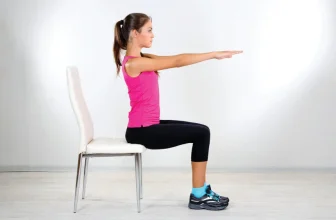
One big benefit of Tai Chi is how it boosts muscle strength without lifting heavy weights. The flowing movements gently engage multiple muscle groups at once. Over time, this helps strengthen your legs, arms, and core. Studies show older adults who practice Tai Chi regularly gain more muscle stamina. If you’re just starting out, focus on slow, controlled movements to build muscle endurance gradually. Simple routines like standing stretches or weight shifts can make a big difference.
Enhancing Flexibility and Range of Motion
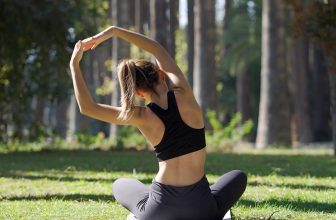
Tai Chi involves slow, deliberate stretches that improve joint flexibility. Moving through deep stances and extended arms gently loosens stiff muscles. Research shows that regular practice can increase flexibility, especially in the hips and shoulders. For better results, target specific areas by holding stretches longer or adding gentle twists. Improving flexibility can help reduce stiff joints and decrease your risk of injury.
Promoting Better Cardiovascular Health
While Tai Chi isn’t as intense as running or cycling, it still boosts your heart health. Moving slowly but steadily raises your heart rate enough to improve circulation. Studies indicate that consistent practice can lower blood pressure and enhance blood flow. If you’re looking for a gentle way to get your heart pumping, integrate Tai Chi into your daily routine. It’s a low-impact activity that works well for people with joint issues or those just starting their fitness journey.
Mental and Cognitive Benefits of Tai Chi
Reducing Stress and Enhancing Mood
One of Tai Chi’s greatest strengths is its calming nature. The smooth movements combined with mindful breathing create a meditative state. This helps lower cortisol, the stress hormone, and lifts your mood. Research has found that regular practice can decrease feelings of anxiety and depression. Try adding simple breath-counting exercises like inhaling deeply for four counts, then exhaling slowly. Pairing breath with movement can amplify relaxation and peace of mind.
Improving Cognitive Function
Many studies show Tai Chi boosts brain health. It helps sharpen memory, attention, and problem-solving skills. For older adults, it’s like a moving meditation that keeps the brain active. Practicing Tai Chi can also help reduce mental decline. To get the most mental benefits, focus on being mindful during your practice—notice how your body feels and stay present. Developing this awareness can boost your overall cognitive health.
Managing Anxiety and Depression
Sticking with Tai Chi not only trains your body but also builds emotional strength. The gentle, predictable movements foster a sense of stability and control—especially important in tough times. Experts agree that mind-body practices like Tai Chi support emotional resilience. To incorporate it into your mental health routine, practice in quiet spaces or join group classes for added motivation. The combination of movement, breath, and community can improve your mood significantly.
Balance, Coordination, and Fall Prevention
Enhancing Balance and Postural Stability
Many older adults struggle with balance, increasing fall risks. Tai Chi targets this concern by teaching how to shift weight smoothly and hold stable stances. Research shows noticeable improvements in balance tests like the Berg Balance Scale after just a few months of practice. Seniors can practice standing on one leg or shifting weight side to side, slowly building confidence in movement. These exercises make real-world activities—like climbing stairs or getting out of a chair—much safer.
Improving Coordination and Body Awareness
Tai Chi’s slow movements give you time to notice how your body moves and feels. This enhances proprioception—the sense of where your limbs and body are in space. Better coordination reduces the chance of trips and falls. Many elderly practitioners find that their overall body sense improves, making everyday tasks easier. Focused routines with sequences of different movements can sharpen neuromuscular control and balance.
Longevity and Overall Quality of Life
Supporting Joint Health and Reducing Pain
On a low-impact level, Tai Chi is gentle on joints, making it ideal for those with arthritis or joint pain. Moving slowly helps lubricate joints and strengthen supportive muscles. Evidence shows that people practicing Tai Chi experience less joint pain and increased mobility. For mobility-limited individuals, modified routines are available to ease movement while still gaining benefits.
Facilitating Better Sleep and Restorative Rest
Physical activity like Tai Chi helps quiet an overactive mind and promotes good sleep. Studies reveal that regular practice can improve sleep quality and duration. Practicing in the evening, about 30 minutes before bed, can help you fall asleep faster and sleep more soundly. The calming movements prepare your body for rest, making restful sleep easier to achieve.
Encouraging Social Connection and Community Engagement
Many people find practicing Tai Chi in groups boosts motivation. Group classes foster social bonds that support mental health and make exercise more fun. Online videos also offer a way to practice safely from home. Sharing your journey with others can inspire consistency and help you stay committed to your health goals. Community involvement adds a layer of joy to your routine.
Conclusion
Tai Chi offers a wide range of health benefits for your body and mind. It improves muscle strength, flexibility, and cardiovascular health. It also reduces stress, sharpens the mind, and strengthens balance. Most importantly, it’s suitable for all ages and fitness levels. Regular practice can help you live longer with better quality of life. Ready to experience these benefits? Start with beginner classes or online tutorials and discover how Tai Chi can transform your health.