Introduction
Traditional Chinese mind-body practices like Tai Chi and Qigong are gaining popularity worldwide. More people look to these arts to improve health, reduce stress, and boost vitality. But how do these practices really differ? Knowing their roots, techniques, and benefits can help you choose the right practice. This article explores the origins, movements, health effects, and who benefits most from each.
The Origins and Historical Context of Tai Chi and Qigong
Origin and Development of Tai Chi
Tai Chi traces back hundreds of years within Chinese martial arts. It was developed as a form of self-defense, emphasizing fluid movements and internal energy. Over time, Tai Chi shifted focus from combat to health. Today, various styles like Chen, Yang, Wu, and Sun are popular. Each style offers unique forms but shares common principles of softness and strength.
Origin and Development of Qigong
Qigong began in traditional Chinese medicine and spiritual practices. It aims to balance life energy or “Qi” inside the body. Unlike martial arts, Qigong focuses on healing, meditation, and spiritual growth. It has roots in Daoist, Buddhist, and Confucian traditions. Qigong evolved from medicinal routines to the modern wellness programs many practice today.
Cross-Influences and Cultural Significance
Both practices come from a shared cultural background but serve different purposes. While Tai Chi was initially martial, it’s now widely appreciated as a health practice. Qigong stays rooted in healing and spiritual growth. Still, they overlap through movements, breathing, and the focus on vital energy. Both are deeply woven into Chinese culture and philosophy.
Fundamental Techniques and Practice Styles
Core Movements and Postures in Tai Chi
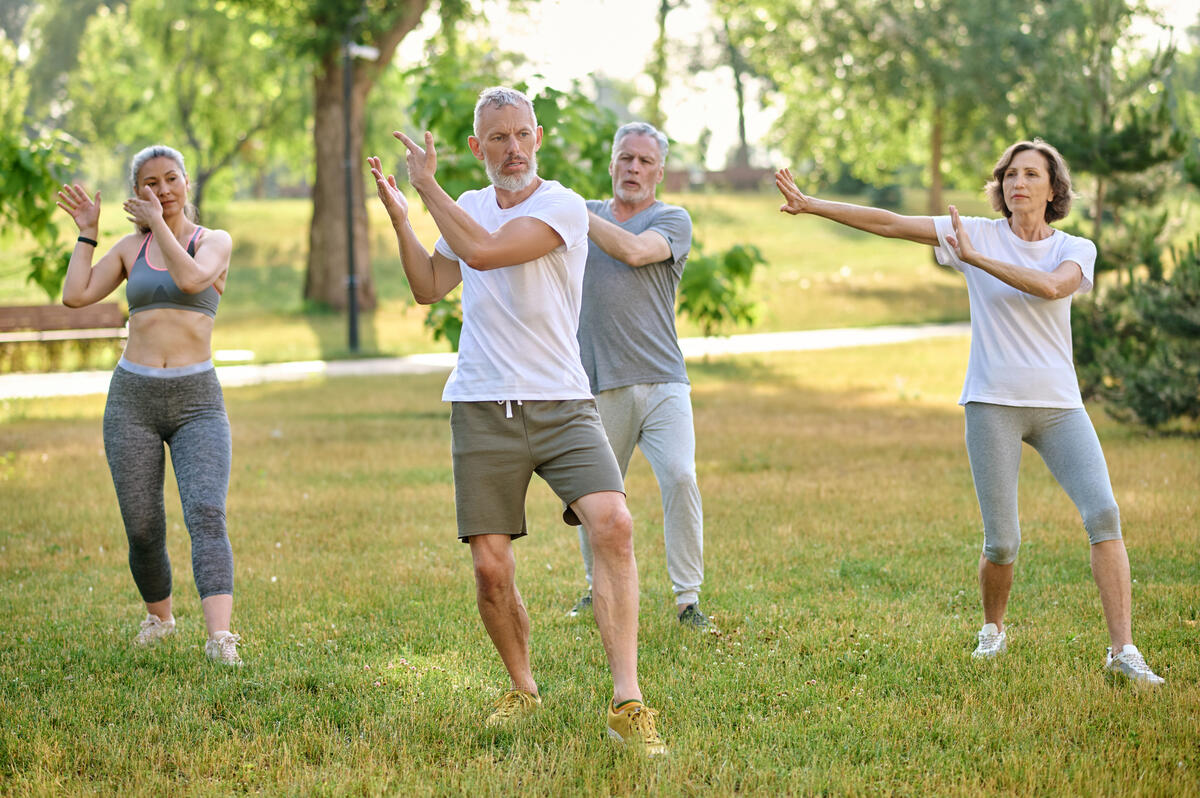
Tai Chi uses slow, graceful movements that flow naturally. Practitioners focus on balance, coordination, and proper posture. Movements often resemble martial techniques like punches, pushes, or strikes but performed softly. Popular routines include 24-form and 48-form Tai Chi. Key elements involve shifting weight smoothly, maintaining stance, and mindful breathing.
Core Movements and Postures in Qigong
Qigong features both still and moving exercises. It often involves gentle stretches, breathing techniques, meditation, and visualization. Movements tend to be simpler and adapted to individual needs. Styles like Medical Qigong and Daoist Qigong vary in complexity. Many routines aim to stimulate energy flow, calm the mind, and promote healing.
Practice Approaches and Methodologies
Tai Chi is often practiced as a martial art with formal sequences. It requires slow, deliberate movements, usually done regularly for best results. Qigong can be a casual daily practice or a therapeutic routine. It’s more flexible, with options for seated or standing exercises. Both practices benefit from consistent practice, but Tai Chi may take longer to master.
Health Benefits and Therapeutic Effects
Physical Benefits of Tai Chi
Practicing Tai Chi can improve balance, flexibility, and muscle strength. It helps prevent falls, especially in seniors. Many rehab programs include Tai Chi for recovery from injuries. Its gentle movements support joint health and coordination, making it suitable for all ages.
Physical Benefits of Qigong
Qigong boosts circulation, respiratory health, and immune function. Practitioners often find relief from stress, fatigue, and chronic conditions. It’s used to manage health issues like hypertension, arthritis, and fatigue. The focus on breathing and energy flow promotes overall physical wellness.
Mental and Emotional Health
Both Tai Chi and Qigong promote mindfulness and mental calm. Tai Chi’s flowing motions help sharpen focus, reduce anxiety, and foster self-awareness. Qigong’s meditation elements and visualization assist in emotional release and mental clarity. Combining both can create a balanced mind-body experience.
Scientific Studies and Data Insights
Research shows both practices improve health. Studies link Tai Chi to better balance and fall prevention. Qigong is linked to reduced blood pressure and enhanced immune function. Meta-analyses indicate that both can help improve quality of life, especially for older adults. They’re safe, low-impact options for stubborn health issues.
Suitability and Accessibility for Different Practitioners
Who Should Practice Tai Chi
Tai Chi suits all ages, especially those interested in martial arts or balance training. Beginners and seniors can benefit from simple forms. Its slow pace makes it easy to learn and adapt. People recovering from injuries also find it gentle enough to support healing.
Who Should Practice Qigong
Qigong works well for stress relief, spiritual exploration, and healing. Its adaptability makes it suitable for those with limited mobility or chronic health issues. It’s accessible for people who prefer sitting or gentle movement routines over active motion.
Comparing Ease of Learning and Practice
Tai Chi’s more complex routines may take longer to learn but offer deeper martial and health benefits. Qigong tends to be easier to pick up fast, with simpler movements. Both practices need space and quiet, but Qigong often requires less equipment or formal setting. Beginners should start slow and be patient.
Expert Perspectives and Recommendations
Insights from Practitioners and Instructors
Master instructors agree that consistency is key. Tai Chi masters recommend focusing on posture and breathing. Qigong teachers emphasize mind focus and energy visualization. Both agree that starting with beginner classes helps build a strong foundation.
Integration into Wellness Routines
You can practice either or both daily. Start with a short routine and gradually increase time. Combine Tai Chi’s flowing martial movements with Qigong’s meditative exercises for a full health boost. Incorporating these into your routine will build strength, reduce stress, and improve overall health.
Conclusion
Tai Chi and Qigong are powerful mind-body practices with unique strengths. Tai Chi blends martial art moves with health benefits. Qigong focuses on healing energy through meditation and gentle movement. Both are suitable for different goals—whether balance, stress relief, or spiritual growth.
Choosing between them depends on your personal goals, physical condition, and interests. Starting with beginner classes, practicing regularly, and staying consistent is the best way to see benefits. Why not explore both? A combined approach offers the best of martial arts, healing, and mindfulness, leading to a healthier, calmer life.