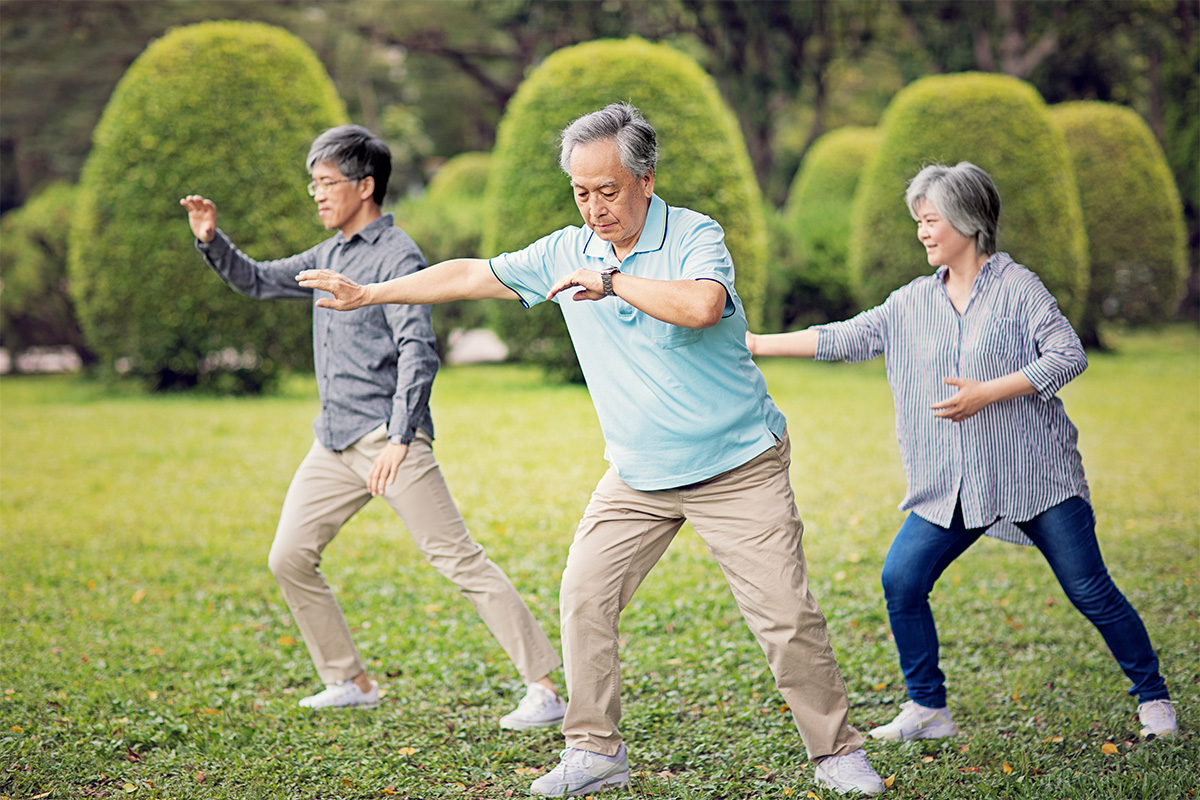
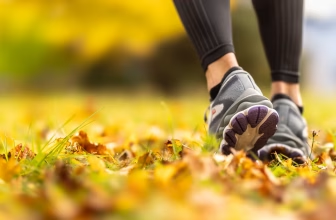
Tai Chi Walking — sometimes called “meditative walking” or “mindful movement” — blends the gentle, flowing principles of Tai Chi with the simplicity of walking. It’s an ancient Chinese practice that’s increasingly recognized by modern medicine for its wide-ranging physical, mental, and emotional health benefits.
🧠 1. Enhances Mind-Body Connection
Tai Chi Walking requires slow, deliberate movements coordinated with deep breathing and mental focus. This mindful motion helps quiet the mind, reduce anxiety, and improve body awareness — similar to the benefits of meditation but with added physical movement.
- Research Insight: A 2023 study in Frontiers in Psychology found that mindful movement practices like Tai Chi significantly reduced stress hormones and improved emotional regulation in adults.
💪 2. Improves Balance and Stability
Each step in Tai Chi Walking emphasizes controlled shifting of weight and alignment of the body’s center of gravity. This helps strengthen stabilizing muscles in the legs and core, reducing the risk of falls — especially valuable for older adults.
- Research Insight: A meta-analysis in Age and Ageing (2022) concluded that Tai Chi improved balance, proprioception, and postural control in older populations.
❤️ 3. Supports Cardiovascular and Metabolic Health
Though gentle, the continuous movement increases heart rate moderately, improving circulation and oxygen use. It’s an excellent low-impact exercise for people managing blood pressure, diabetes, or heart conditions.
- Study Example: Harvard Medical School reports that regular Tai Chi practice can lower blood pressure, improve lipid profiles, and enhance insulin sensitivity.
🫁 4. Boosts Respiratory and Musculoskeletal Function
Coordinating breath with motion strengthens the diaphragm and expands lung capacity. The controlled movements also promote joint flexibility and muscle endurance without stressing the joints — ideal for people with arthritis or mobility challenges.
🧘♀️ 5. Reduces Stress and Promotes Calm
The slow pace and rhythmic breathing activate the parasympathetic nervous system, reducing cortisol and promoting feelings of relaxation and wellbeing. Many practitioners describe Tai Chi Walking as a “moving meditation.”
🧬 6. Encourages Neuroplasticity and Cognitive Health
Tai Chi Walking challenges coordination, memory, and focus. Studies have linked it to better cognitive function and a reduced risk of dementia through improved blood flow and neural connectivity.
- Research Insight: A 2021 Journal of Alzheimer’s Disease study showed Tai Chi practitioners had stronger connectivity in brain regions responsible for attention and memory.
🌿 7. Accessible and Sustainable for All Ages
Tai Chi Walking requires no equipment, can be practiced indoors or outdoors, and adapts easily to all fitness levels. Its gentleness makes it ideal for seniors, people recovering from illness, or anyone seeking a sustainable daily movement practice.
💡 Practical Tip: How to Begin
- Stand tall, shoulders relaxed, feet shoulder-width apart.
- Inhale deeply; as you exhale, take a slow, mindful step forward.
- Shift your weight gradually, feeling each foot connect with the ground.
- Move your arms naturally in sync with your breath.
- Continue for 10–20 minutes daily, focusing on smooth, balanced motion.
🌞 In Summary
Tai Chi Walking blends ancient wisdom with modern wellness science. It’s a low-impact, high-benefit practice that improves balance, calms the mind, supports the heart, and nurtures longevity — a perfect antidote to today’s fast-paced, high-stress lifestyle.