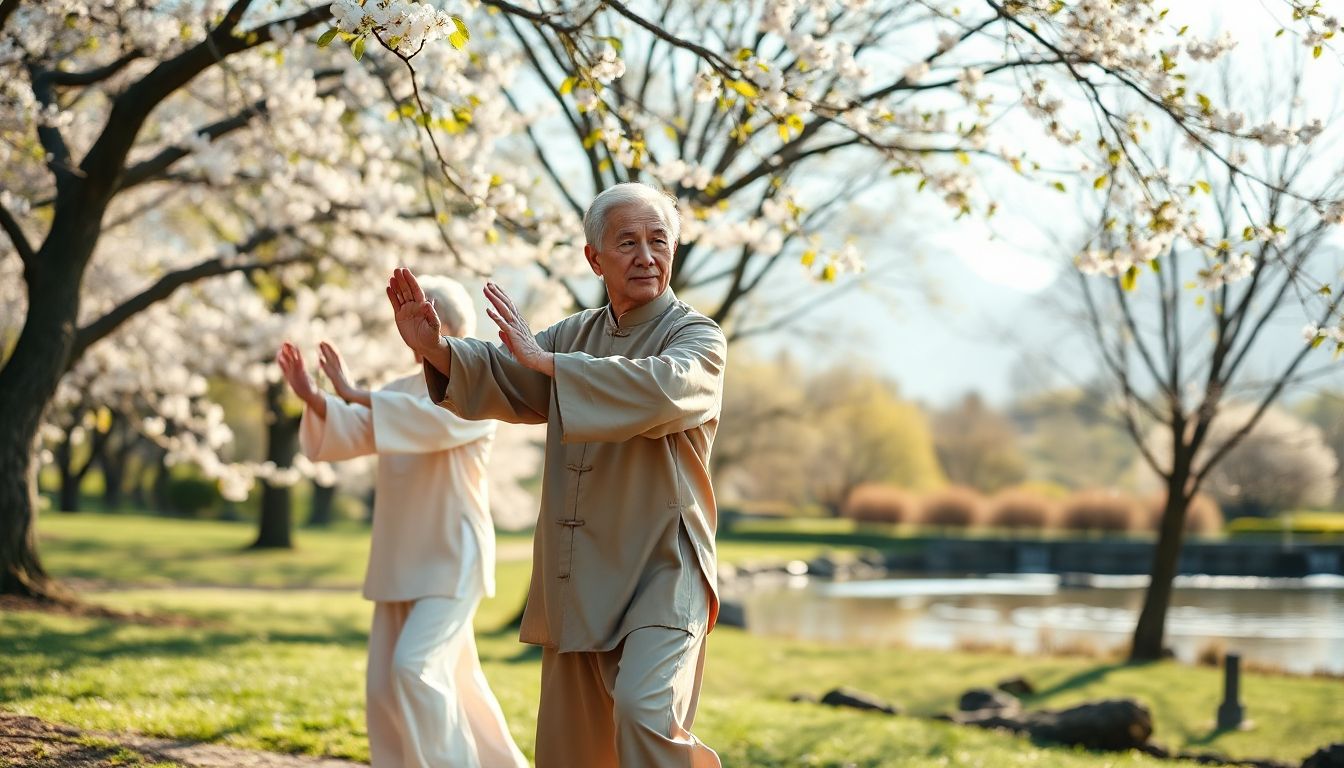
Tai Chi for Seniors Over 60: How Often Should You Practice for Maximum Benefits?
When it comes to staying healthy as we age, Tai Chi has become a favorite for many seniors. Its slow, gentle movements help improve balance, boost flexibility, and quiet the mind. But how often should someone over 60 practice Tai Chi to get the best results? Finding the right frequency can boost safety, keep motivation high, and turn this ancient practice into a lifelong habit.
Understanding Tai Chi and Its Benefits for Seniors
What Is Tai Chi?
Tai Chi is an ancient Chinese martial art. It combines slow, flowing moves with deep breathing. It started centuries ago as a weapon practice but is now widely known as a form of moving meditation. For seniors, it offers gentle exercise that is easy on the joints. Its calm rhythm helps improve posture and coordination without risking injury.
Physical and Mental Benefits
Research shows Tai Chi offers many health perks for older adults, including:
- Better balance and proprioception, which helps prevent falls
- Increased flexibility and muscle strength
- Stress reduction and mental clarity
- Improved mood and overall sense of well-being
A study published in the Journal of Geriatric Physical Therapy found that regular Tai Chi can cut the risk of falling by 20-40% among seniors. It’s like giving your body and mind a reset button.
Why Consistency Matters
Practicing regularly makes a big difference. Just like watering plants, frequent exercise nurtures health over time. A steady routine helps your body adapt, making it easier to perform movements safely. Plus, consistency helps you stay motivated and avoid setbacks.
Recommended Frequency of Tai Chi Practice for Seniors Over 60
General Guidelines from Health Experts
Most health groups agree that regular practice is key. For older adults, sessions ranging from 20 to 60 minutes work well, depending on comfort and ability. You can aim for:
- Daily practice, if manageable
- Every other day
- Or 3 to 4 times per week
The goal is manageable, not overwhelming. Think of it as a gentle rhythm—something you can keep up without stress.
Factors Influencing Practice Frequency
Your ideal number of sessions depends on:
- Your current health and mobility level
- Experience with Tai Chi or other exercises
- Personal goals like balance, mental health, or flexibility
If you’re recovering from an injury or have medical conditions, you might need to scale back or modify movements.
Balancing Practice and Rest
Listen to your body. Rest days are just as important as active days. Signs you might need a break include soreness, fatigue, or discomfort. Overdoing it can lead to injuries or burnout. Remember, slow and steady wins the race.
Optimal Practice Schedules for Different Goals
For Improving Balance and Fall Prevention
Practitioners aiming to stay steady on their feet should practice about 3-4 times weekly. Each session should last 30-45 minutes, with some balance-focused movements woven into the routine.
For Enhancing Flexibility and Strength
If your goal is more about moving comfortably, aim for 3-5 sessions weekly. Keep sessions shorter, around 20-30 minutes. Combining Tai Chi with gentle stretching can help even more.
For Mental Well-being and Stress Reduction
Tai Chi’s meditative side makes daily practice ideal for some. Shorter sessions—10 to 20 minutes—can be enough to clear your mind and reduce stress. Try combining breath workouts into your routine too.
For Overall Wellness and Maintenance
Sticking to a schedule of 3 times weekly works for most seniors. As you progress, feel free to increase or decrease based on how your body responds. Flexibility keeps the practice enjoyable and sustainable.
Practical Tips for Seniors to Incorporate Tai Chi Into Their Routine
Starting Safely
Before jumping in, chat with your doctor, especially if you have health concerns. Attend beginner classes or work with an experienced instructor. Guided sessions are safer and more engaging.
Creating a Sustainable Practice Routine
Pick days and times that fit your schedule. Whether early morning or evening, consistent timing helps form a habit. Use online videos or join local classes to stay motivated and learn new moves.
Modifying Practice Based on Health
Adjust movements if you have joint pain or mobility limitations. Seated Tai Chi options are available and effective. The goal is to stay active without discomfort.
Enhancing Engagement and Progress
Keep track of your practice with a journal. Celebrate small progress. When ready, consider workshops or advanced classes for continued growth.
Conclusion
Regular Tai Chi practice is vital for seniors over 60 who want to stay healthy and mobile. Most experts recommend practicing 3-4 times weekly to enjoy the best benefits. Remember, listening to your body and consulting health professionals will keep your routine safe and effective. This gentle art offers a safe, rewarding way to boost strength, balance, and mental clarity—important ingredients for a fulfilling, independent life. Start slow, stay consistent, and enjoy every movement on your journey to better health.