Imagine you wake up one morning, your hands shake a bit as you reach for your coffee, and taking that first step across the kitchen feels like a hurdle. For millions dealing with Parkinson’s disease, these moments pile up, making simple tasks tough. But what if a soft, flowing exercise like Tai Chi could ease those struggles? Tai Chi for Parkinson’s disease is gaining notice as a helpful add-on to regular care. It offers ways to boost balance, ease movement, and lift daily joy without strain. In this piece, we’ll look at how Tai Chi works wonders for Parkinson’s symptoms, backed by real studies and stories from folks who’ve tried it.
Understanding Parkinson’s Disease and Its Challenges
Parkinson’s hits hard on how we move and feel each day. It starts slow but can change lives in big ways. Knowing the basics helps see why something gentle like Tai Chi fits right in.
What Is Parkinson’s Disease?
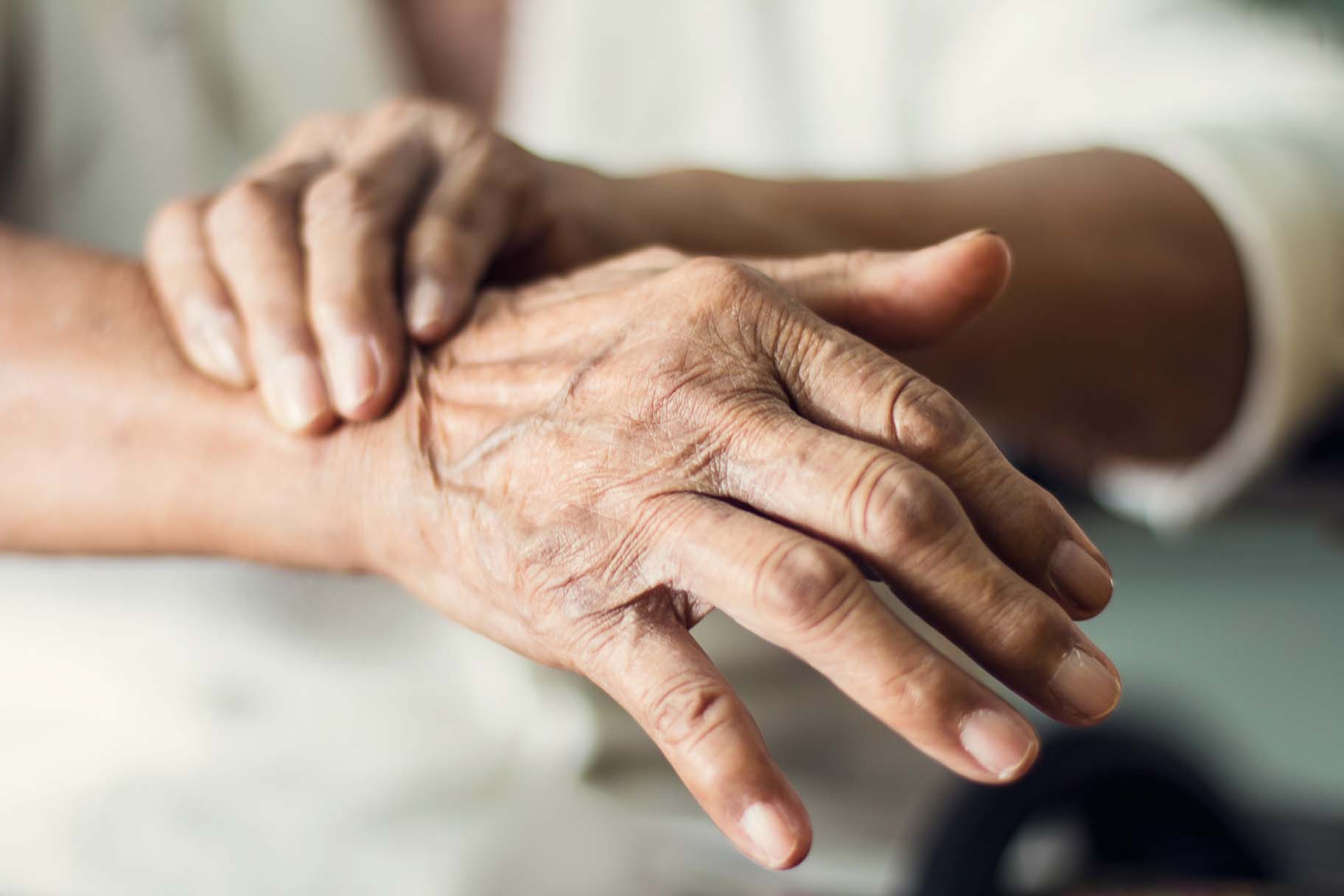
Parkinson’s is a brain issue that messes with movement control. It comes from losing cells that make dopamine, a chemical for smooth actions. You might notice shakes in hands or arms, stiff muscles, and trouble with balance. The Parkinson’s Foundation says over 10 million people worldwide live with it. Men get it more than women, and it often starts after age 60. Early signs can sneak up, like a soft voice or small handwriting.
Common Symptoms and Daily Life Impact
Shakes, or tremors, happen at rest and fade when you move on purpose. Stiffness makes arms and legs feel rigid, like they’re locked up. Slow movement, called bradykinesia, turns quick walks into shuffles. These motor problems hit basics like buttoning a shirt or eating soup without spills. Non-motor issues add up too—think constant tiredness, mood dips like sadness, or sleep woes. All this can lead to falls, less independence, and a hit to spirit. Folks often pull back from hobbies or time with friends because moving feels risky.
That’s where low-key exercises shine. They build strength without overdoing it. Tai Chi steps in here, offering support for shaky days.
Standard Treatments and Their Limitations
Doctors often start with pills like levodopa to boost dopamine levels. These help cut tremors and stiffness for many. Surgery, such as deep brain stimulation, zaps bad signals in the brain for tougher cases. Physical therapy teaches ways to move safer and stronger.
Yet these options aren’t perfect. Meds can cause nausea, dizziness, or weird movements over time. Surgery works for some but not all, and recovery takes effort. Plus, they don’t fix everything—like mood swings or thinking fog. That’s why many turn to extras like exercise. Tai Chi for Parkinson’s disease fills that gap with few downsides.
What Is Tai Chi and How Does It Work?
Tai Chi comes from old Chinese ways to stay fit and calm the mind. It’s like a moving meditation, slow and steady. For Parkinson’s, it adapts easy to fit what your body needs right now.
Think of it as a dance with no rush. You flow from one pose to the next, breathing deep. This builds body awareness and cuts stress. Studies show it helps chronic health woes by linking breath, moves, and thoughts.
Core Principles of Tai Chi Practice
At its heart, Tai Chi uses smooth, round motions. You shift weight from one foot to the other, like waves on water. Arms circle soft, no jerks. Breath stays even—inhale to rise, exhale to sink. It’s all about balance, inside and out. Meditation weaves in, quieting the mind from daily noise. This low-impact setup suits anyone, even with joint pain or weak legs. No need for fast jumps or heavy lifts.
Scientific Basis for Tai Chi’s Health Benefits
Research backs Tai Chi’s power. It sparks changes in the brain, like better links between nerves for balance. The National Center for Complementary and Integrative Health notes it eases stress and boosts heart health. For chronic spots, it cuts pain and lifts mood through steady practice. In Parkinson’s, it may shield brain cells and improve how signals flow. Small studies link it to less swelling and stronger muscles without harm.
Tai Chi Styles Suitable for Beginners
Start with Yang style—it’s the most common and gentle. Moves are big and slow, easy to learn. Sun style adds footwork but keeps it simple, great for those with balance woes. Both let you tweak for chairs or walls if standing is hard. Pick one with short forms, like 8 or 24 steps, to build up slow.
Evidence of Tai Chi’s Effectiveness for Parkinson’s Disease
Science doesn’t lie—studies pile up on Tai Chi’s wins for Parkinson’s. Real trials show clear gains in key areas. Let’s break down what experts found.
Key Clinical Studies and Findings
A big 2012 trial in the New England Journal of Medicine tested Tai Chi against stretching and resistance training. After 6 months, Tai Chi folks with Parkinson’s had way better balance and fewer falls. They stood on one leg longer and swayed less in tests. Another from 2008 at the University of Florida looked at mobility. Patients did Tai Chi twice a week and saw strides in walking speed and arm swing. No big injuries popped up. These point to Tai Chi as a top pick over other workouts.
Measurable Improvements in Symptoms
Gait gets smoother—steps lengthen, freezes drop. One meta-review in Evidence-Based Complementary and Alternative Medicine pooled 9 studies. It found Tai Chi cut fall risks by 43% and boosted posture scores. Tremors might ease too, though meds still lead there. Overall, folks score higher on movement scales like the Unified Parkinson’s Disease Rating Scale.
Long-Term Benefits and Safety Profile
Stick with it, and perks last. A year in, quality of life rises—less fear of falling, more outings. The American Parkinson Disease Association nods to Tai Chi as safe and smart. Injury rates stay low since moves are controlled. It’s fine for most stages, but watch if dizziness hits early.
Real-Life Benefits and Patient Experiences
Beyond papers, real people feel the shift. Stories from Parkinson’s groups light up how Tai Chi changes days. It’s not just body—it’s heart too.
Enhancing Balance and Mobility
Tai Chi trains weight shifts, key for steady steps. Picture crossing a room without that wobble fear. One man shared how after weeks, he hiked short trails again. Track wins by noting fall-free days or quicker walks. Use a journal—jot how far you go without a pause.
Mood and Cognitive Advantages
Mindful breaths chase away worry. Stress drops, smiles return. Some say thinking clears up, like fog lifting. A study hinted at better memory tasks from the focus drills. Patients report less blues, more pep for family time.
Integration with Daily Routines
Short bursts work best. Try 10 minutes by the couch, flowing arms while seated. Community tales show groups at parks or online, fitting busy lives. One woman wove it into mornings, pre-med dose, for a calm start.
Getting Started with Tai Chi for Parkinson’s
Ready to try? It’s simpler than you think. Pick spots that match your pace and needs. Safety first keeps it fun.
Choosing the Right Class or Instructor
Look for teachers trained in health Tai Chi, like from the Tai Chi for Health Institute. They know Parkinson’s tweaks. In-person classes at YMCAs or Parkinson’s centers build community. Online videos suit home, with live chats for tips.
- Check reviews for gentle styles.
- Ask about group sizes—small ones help.
- See if they offer free trials.
Beginner Tips and Modifications
Ease in with 10-15 minutes, three times a week. Stand if you can, or sit for arm flows. Breathe from the belly—slow in, slow out—to steady shakes. Use a chair for support during turns.
- Warm up with neck rolls.
- Follow along to simple videos.
- Rest if tired; no push.
Precautions and When to Consult a Doctor
Talk to your doc first, especially if falls worry you or meds shift balance. Watch for extra fatigue or pain—stop and check in. Advanced stages might need one-on-one guidance.
Conclusion
Tai Chi for Parkinson’s disease brings real hope through better balance, smoother moves, and brighter moods. Studies confirm it cuts falls and lifts life quality with low risk. It’s easy to add, from home sessions to group fun.
Why wait? Chat with your doctor, find a class near you, or start with a quick online guide. Small steps today lead to steadier tomorrows. Give Tai Chi a go—you might just feel the flow.