| Accessibility & Safety |
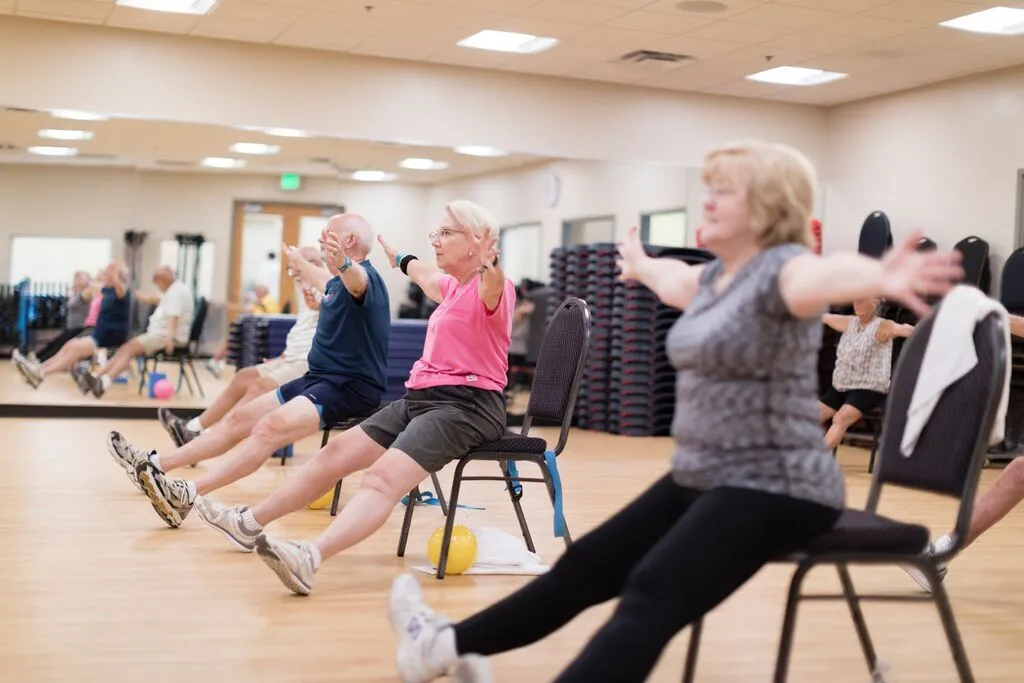
Because you’re seated, risk of falling is much lower. It allows people with limited leg strength, balance issues, or other mobility constraints to participate. Juniper Senior Living |+2kiaorataichi.nz+2 |
| Improved Flexibility & Range of Motion |
Even though you’re sitting, you can move arms, shoulders, neck, torso, and sometimes legs/feet — all of which helps keep joints more mobile with time. kiaorataichi.nz+1 |
| Balance & Stability Improvement |
While seated, many movement patterns help core control, posture alignment, coordination, which can translate to better balance when standing or transferring from sitting to standing. VAntage Point+2kiaorataichi.nz+2 |
| Mind-Body & Stress Reduction |
Tai chi is often called “meditation in motion.” The slow, intentional movements combined with breathing and mindfulness help reduce stress, anxiety, and support mental well-being. Harvard Health+2kiaorataichi.nz+2 |
| Muscle Strength & Tone |
Even seated, moving arms, shoulders, torso against gravity — these are mild resistance / body-weight movements that help maintain or modestly increase muscle strength. Harvard Health+1 |
| Improved Circulation & Cardiovascular Support |
While seated tai chi isn’t aerobic in the way running is, its gentle movement with breath control helps with circulation, flexibility of blood vessels, and may provide cardiovascular benefits depending on intensity and duration. PMC+2Harvard Health+2 |
| Pain & Chronic Condition Management |
There is evidence seated versions of tai chi (or adapted tai chi) help with conditions like arthritis, joint stiffness, chronic pain, or limited mobility, by encouraging gentle movement rather than inactivity. PMC+2ScienceDirect+2 |
| Quality of Life & Mood |
Regular movement (even gentle), combined with a group or class-feeling, can improve mood, reduce depressive symptoms, enhance social interaction (if done in groups), and contribute to overall well-being. ScienceDirect+1 |