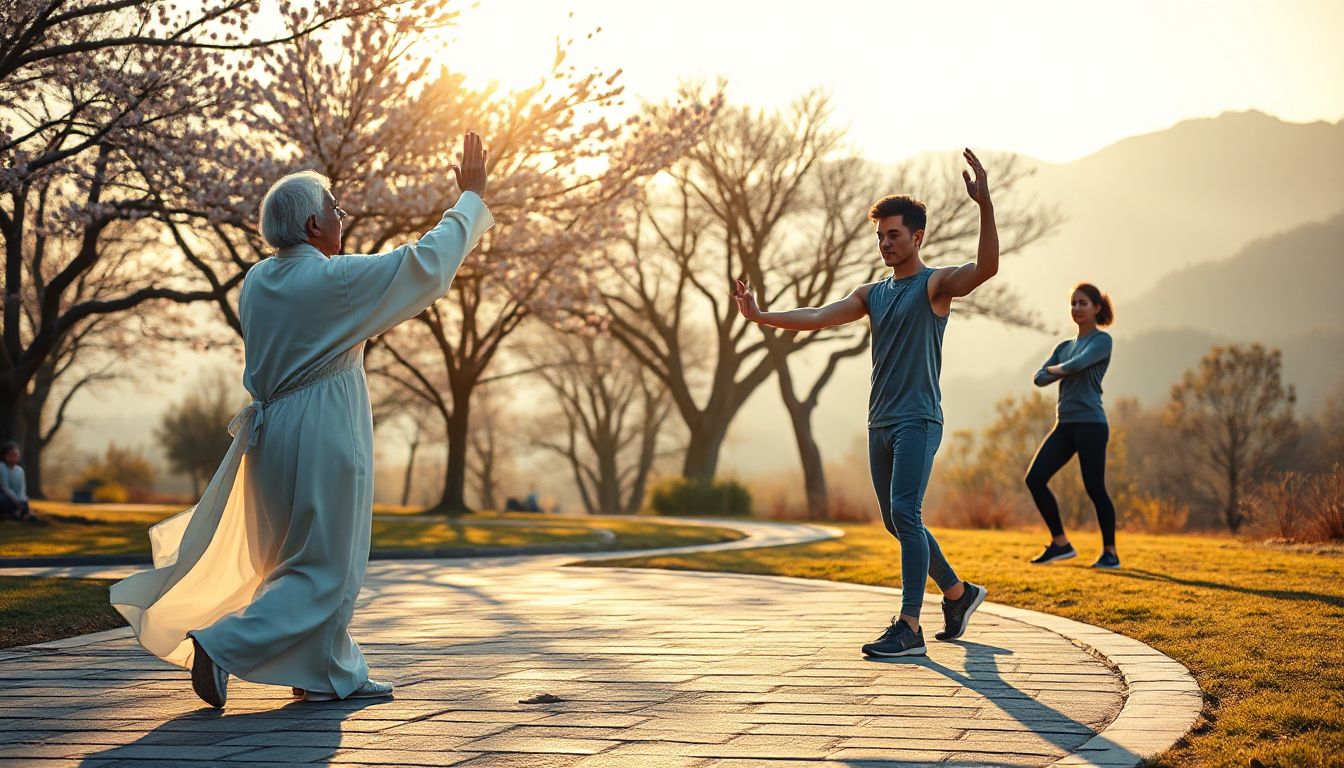
Imagine your grandma, at 75, moving slow and smooth to ease her sore joints. Or picture a young worker, just 25, shaking off office stress with easy steps. Tai Chi, that old Chinese practice, gets a lot of buzz for being open to anyone. But can it really work for every age and body type? This piece digs into how Tai Chi’s soft, careful moves help folks stay healthy without pushing too hard.
More people turn to Tai Chi each year. Millions around the world use it to help with high blood pressure or shaky balance, as the National Center for Complementary and Integrative Health points out. We look at its perks, ways to tweak it, and any downsides. That way, you can see if it fits your life. Next, we’ll cover the basics of Tai Chi. Then, its upsides for kids, adults, and older folks. After that, how to adjust it for your shape. We’ll wrap with real tips to make it part of your day.
What Is Tai Chi and Its Core Principles?
Tai Chi started as a way to stay fit and calm the mind. It blends slow moves with deep breaths. This makes it a top pick for health, no matter your starting point.
The Origins and Evolution of Tai Chi
Tai Chi came from China in the 1600s. Back then, it served as a fighting skill for warriors. Over time, it shifted to focus on wellness and peace.
By the 1900s, it reached the West. Now, groups like the World Health Organization back it for better health. Studies show it cuts down falls and boosts mood in daily life.
This change keeps Tai Chi fresh. It draws in all kinds of people, from athletes to those just starting out.
Key Movements and Breathing Techniques
Think of Tai Chi as a dance without music. You flow from one pose to the next, like waves on water. The 24-step Yang style is a simple start—no tools needed, just space.
Breaths tie in with each step. Inhale as you rise; exhale when you bend. This rhythm calms nerves and steadies your heart.
Beginners love how it builds strength bit by bit. No rush, no jumps. Just smooth shifts that anyone can try.
Why Tai Chi Emphasizes Mind-Body Harmony
At its heart, Tai Chi flows “qi,” your inner energy. This idea links body and thoughts for less worry. Harvard Health reports it helps with stress and sharpens focus for all ages.
When you practice, muscles loosen while your mind quiets. It’s like a reset button on a tough day. This balance aids everyone, from busy parents to retired couples.
Pros say the slow pace builds trust in your body. Over time, you feel stronger inside and out.
Benefits of Tai Chi for Diverse Ages
Tai Chi shines across life stages. It boosts body control, clear thinking, and good feelings. Health experts note its role in fighting off common woes like weak bones or foggy brains.
From playground energy to golden years grace, it adapts well. Let’s see how it helps each group with real gains and easy starts.
Advantages for Children and Young Adults
Kids gain better focus from Tai Chi. School programs use it to help with ADHD, cutting fidget time by half in some studies. Short 10-minute sessions build coordination without games.
Young grown-ups find it curbs anxiety from tests or jobs. Moves like “wave hands like clouds” teach patience. Try it before bed to sleep sounder.
Parents can join in family parks. This shared time strengthens bonds while kids learn calm moves.
Support for Middle-Aged Adults
For those in their 40s and 50s, Tai Chi eases work pressure. It lowers heart risks, with research from the American Heart Association showing better blood flow. Desk workers love quick breaks that stretch tight backs.
Adapt it to lunch hours. A 15-minute flow clears the head for afternoon tasks. You’ll notice less burnout over weeks.
It also fights weight gain from sitting. Pair it with walks for full-body wins.
Tailored Benefits for Seniors
Older adults cut fall risks with Tai Chi. The CDC says it improves balance, slashing slips by 55% in trials. Gentle twists keep joints loose, easing old aches.
Group classes add fun chats, fighting loneliness. Start seated if knees hurt; progress to stands as you gain trust.
Many report sharper memory too. It’s a full package for staying active in later years.
Adapting Tai Chi for Different Fitness Levels
Not everyone starts strong. Tai Chi scales to your speed, keeping benefits like better posture and calm. Safety comes first—tweak moves to fit without harm.
You can go from chair sits to full flows. This flex makes it a keeper for any shape.
Modifications for Beginners and Low Fitness
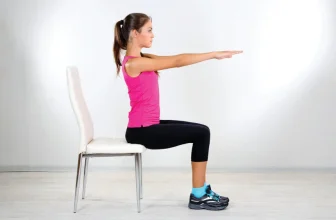
Newbies, try seated versions first. Sit tall and mimic arm waves; this builds core without strain. Aim for five minutes daily, add time as breaths steady.
If stamina lags, use walls for support. Instructors suggest props like chairs for safe leans.
Progress slow—maybe one new move a week. You’ll feel gains without push.
Scaling for Intermediate and Advanced Practitioners
Once comfy, add weights to arms for more pull. Or speed up flows in Chen style for a cardio kick. It keeps the calm but amps strength.
Fit folks mix in jumps or holds. This honors roots as a martial art while suiting pros.
Track how it feels; adjust to avoid pulls. Variety keeps it fresh.
Accommodations for Specific Health Conditions
For extra weight or pain, shorten sessions. The American College of Rheumatology nods to Tai Chi for arthritis relief through soft bends.
Talk to your doc first, especially with heart issues. They might green-light water-based classes for less joint load.
Tailor breaths deeper for lung woes. It’s about listening to your body every step.
Real-Life Applications and Success Stories
Tai Chi fits real days, not just studios. Stories from users show it changes lives, from better sleep to new friends. Let’s explore how to weave it in.
Parks buzz with groups, proving it’s for everyday heroes.
Community Programs and Group Classes
Local parks host free Tai Chi mornings. Senior spots offer chairs for ease. These spots build community, key for sticking with it.
Pick beginner groups to match pace. Instructors guide mods, so no one feels lost.
One study from Mayo Clinic notes groups boost joy more than solo tries.
Integrating Tai Chi into Daily Routines
Start mornings with sun salutes for pep. Evenings, wind down with slow breaths for rest. Apps from Tai Chi for Health Institute guide you via phone.
Busy? Do desk flows: roll shoulders, twist waists. It sneaks wellness into breaks.
Track moods in a notebook. See how small habits lift your week.
Challenges and How to Overcome Them
Some hit slumps in drive. Buddy up for park meets; shared laughs keep you going.
Hurt spots? Skip tough poses, focus on breaths. A journal logs wins, big or small.
Weather woes? Online videos fill gaps. Patience turns hurdles to steps forward.
Conclusion: Embracing Tai Chi’s Inclusivity
Tai Chi’s soft ways suit most folks, from tots to elders. It builds balance, bend, and clear minds with steady practice. Tweaks make it safe for any fitness spot.
Key points: Go easy at first, chat with docs on health bits, and hunt local or screen classes. You might find peace in its flow.
Whether young or wise, Tai Chi opens doors to full health. Give it a go—your body will thank you. Start today, one breath at a time.