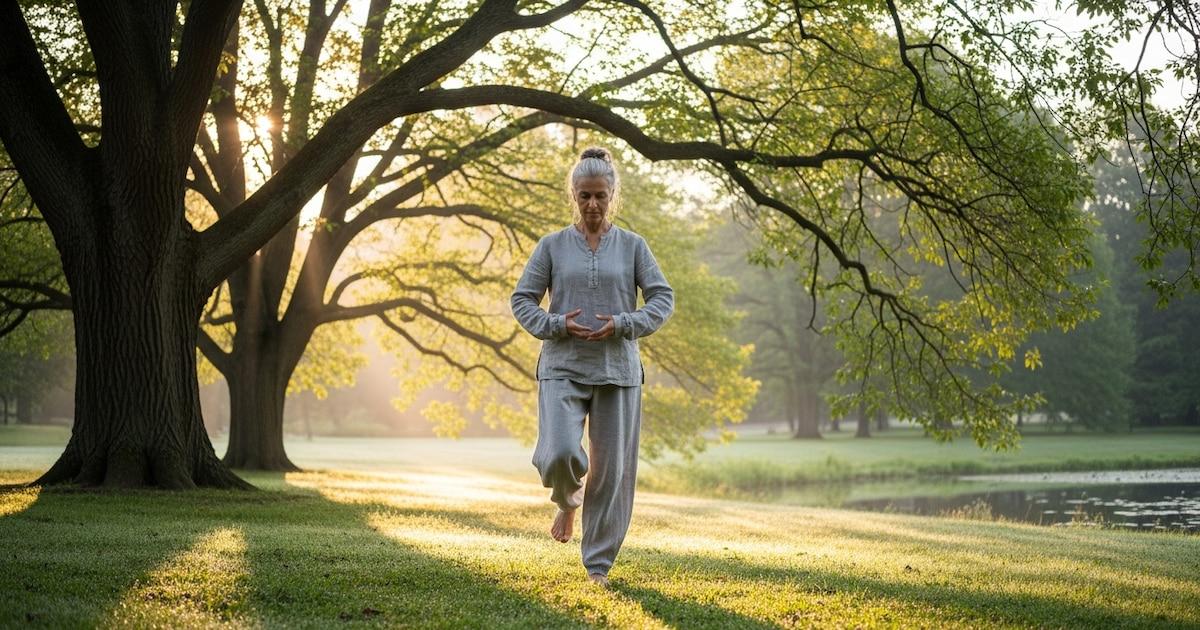
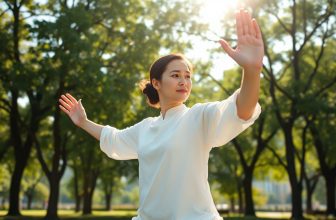
Tai Chi walking is far more than simply taking slow steps. It is a scientifically studied movement practice that combines balance, posture, controlled breathing, mindfulness, and coordinated body mechanics. Researchers continue to find evidence that Tai Chi walking benefits the brain, muscles, joints, cardiovascular system, and nervous system.
Unlike ordinary walking, Tai Chi walking trains the body to move with precision while maintaining a relaxed state. Every step develops stability, coordination, and awareness, making it one of the safest and most effective exercises for people of nearly all ages.
What Is Tai Chi Walking?
Tai Chi walking is a method of moving slowly while maintaining:
An upright posture
Relaxed shoulders
Controlled breathing
Smooth weight transfer
Proper body alignment
Mental focus
Each step begins by transferring body weight carefully before placing the foot on the ground. This deliberate movement strengthens muscles that ordinary walking often neglects.
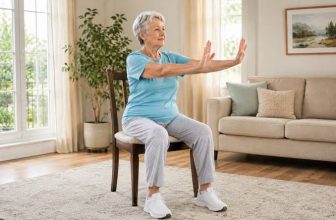
For beginners, Tai Chi walking can be practiced almost anywhere and requires no special equipment.
The Science of Balance
One of the most studied benefits of Tai Chi walking is improved balance.
As we age, our balance naturally declines because of changes in:
Muscle strength
Joint flexibility
Reaction time
Inner ear function
Sensory feedback
Tai Chi walking challenges all of these systems simultaneously.
Researchers have found that regular practice improves:
Single-leg standing ability
Dynamic balance
Gait stability
Coordination
Confidence while walking
These improvements help reduce the risk of falls, particularly among older adults.
Brain Benefits
Tai Chi walking also stimulates multiple regions of the brain.
Unlike repetitive exercise, Tai Chi requires continuous attention to:
Foot placement
Body position
Breathing
Movement timing
Direction changes
This combination strengthens communication between the brain and body.
Research suggests Tai Chi may improve:
Memory
Attention
Executive function
Motor planning
Processing speed
Many researchers believe this mind-body interaction contributes to healthier cognitive aging.
Better Joint Health
Tai Chi walking uses slow, controlled movement that minimizes impact on the joints.
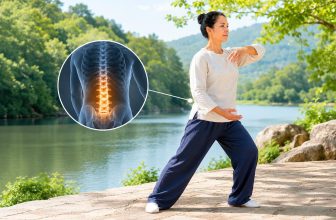
Unlike running or jumping exercises, Tai Chi distributes body weight evenly while strengthening the muscles that support the:
Knees
Hips
Ankles
Lower back
People with arthritis often report:
Less stiffness
Improved mobility
Reduced discomfort
Greater confidence moving
Muscle Strength Without Heavy Exercise
Although Tai Chi appears gentle, muscles remain active throughout each movement.
Tai Chi walking strengthens:
Quadriceps
Hamstrings
Gluteal muscles
Core muscles
Calves
Hip stabilizers
The slow pace increases muscular endurance because muscles stay engaged longer than during ordinary walking.
Cardiovascular Benefits
Tai Chi walking gently elevates heart rate while avoiding excessive strain.
Research has shown improvements in:
Blood pressure
Resting heart rate
Circulation
Oxygen utilization
Cardiovascular endurance
Because it is low impact, many people who cannot perform vigorous exercise can still safely practice Tai Chi walking.
Stress Reduction Through the Nervous System
Tai Chi walking combines movement with controlled breathing.
This activates the parasympathetic nervous system—often called the “rest and digest” response—which can help reduce stress and promote relaxation.
Potential benefits include:
Lower stress hormones
Reduced anxiety
Improved sleep quality
Better emotional well-being
Increased relaxation
Scientific Research
Numerous clinical studies and systematic reviews support Tai Chi’s health benefits.
Research has demonstrated improvements in:
Fall prevention
Balance
Physical function
Quality of life
Cardiovascular fitness
Parkinson’s disease symptoms
Arthritis management
Major health organizations recognize Tai Chi as an evidence-based exercise for healthy aging and mobility.
How Tai Chi Walking Differs from Regular Walking
Regular Walking
Tai Chi Walking
Natural pace
Slow, deliberate pace
Automatic movement
Mindful movement
Minimal weight awareness
Careful weight transfer
Limited upper body focus
Full-body coordination
Moderate balance training
Continuous balance training
Little breathing focus
Coordinated breathing
Tips for Beginners
Start with just 10 to 15 minutes each day.
Focus on:
Standing tall.
Relaxing your shoulders.
Taking slow, controlled steps.
Breathing naturally.
Keeping movements smooth and continuous.
As your confidence grows, gradually increase your practice time.
Final Thoughts
The science behind Tai Chi walking continues to grow. What was once viewed primarily as a traditional martial art is now widely recognized as an effective form of therapeutic exercise.
Its unique combination of slow movement, mindfulness, balance training, and controlled breathing offers benefits for the body and mind that conventional walking alone may not provide.
Whether your goal is better balance, healthier joints, reduced stress, or maintaining independence as you age, Tai Chi walking is a practical, evidence-supported exercise that can become part of a lifelong wellness routine.