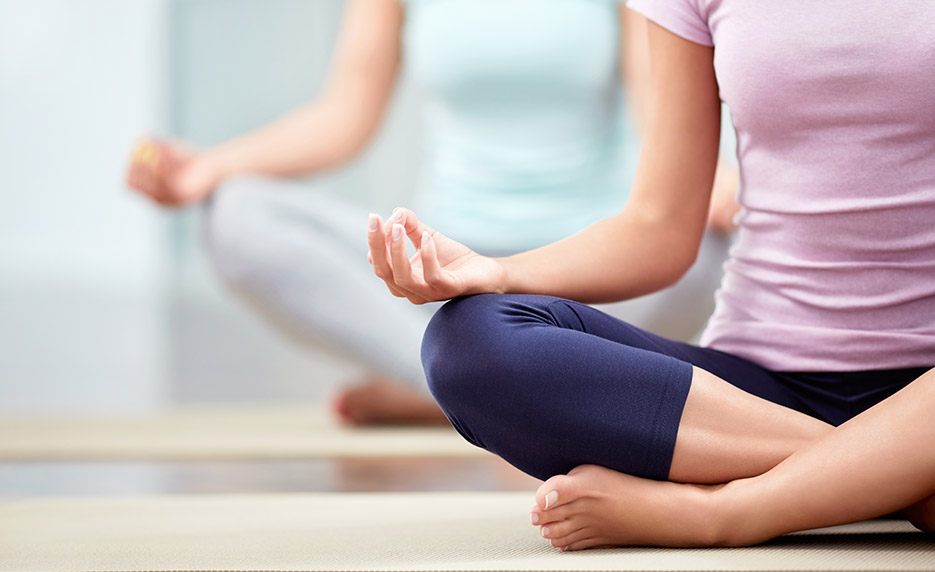
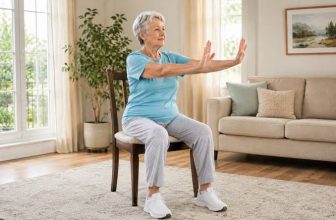
Tai Chi exercise and meditation align so naturally because they are built on the same physiological, neurological, and philosophical foundations. Practiced together, they reinforce each other rather than compete for attention or energy.
Below is a precise breakdown of why they are such an effective pairing.
1. Movement That Trains the Meditative Mind
Tai Chi is often described as “meditation in motion”—and that’s not metaphorical.
- Movements are slow, continuous, and deliberate
- Transitions require constant awareness of posture, balance, and weight shift
- Attention stays anchored in the present moment, exactly as in seated meditation
This sustained attentional focus activates the same neural networks used in mindfulness meditation, particularly those involved in:
- Attention regulation
- Sensory awareness
- Emotional control
Unlike seated meditation, Tai Chi keeps the body engaged, making it easier for many people to remain mentally present.
2. Breath, Movement, and Nervous System Synchronization
Tai Chi coordinates:
- Diaphragmatic breathing
- Rhythmic movement
- Relaxed muscular engagement
This combination strongly stimulates the parasympathetic nervous system (the “rest-and-digest” response), leading to:
- Lower heart rate and blood pressure
- Reduced cortisol (stress hormone) levels
- Improved heart-rate variability (a key marker of resilience)
Meditation amplifies this effect by training conscious control over breathing and mental reactivity.
3. Physical Stillness Within Motion
Although Tai Chi is a moving practice, it emphasizes:
- Minimal unnecessary muscle tension
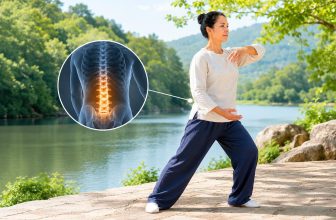
- Upright spinal alignment
- Grounded balance
This creates internal stillness, which is the physical counterpart of meditative calm. Meditation deepens awareness of:
- Subtle tension patterns
- Micro-adjustments in posture
- Habitual holding in the body
Together, they cultivate relaxed strength rather than rigid effort.
4. Shared Philosophical Foundation
Both Tai Chi and meditation arise from traditional Chinese and Daoist principles, including:
- Balance between effort and relaxation
- Yielding rather than forcing
- Flow over resistance
Tai Chi expresses these ideas through the body, while meditation explores them through the mind. Practicing both creates a unified mind–body discipline rather than two separate activities.
5. Improved Emotional Regulation
Regular practice of both leads to:
- Reduced anxiety and rumination
- Better emotional self-regulation
- Greater tolerance to stress and uncertainty
Tai Chi grounds emotions through physical sensation, while meditation trains observation without reaction. This dual approach strengthens emotional resilience more effectively than either practice alone.
6. Accessibility and Sustainability
Together, Tai Chi and meditation are:
- Low-impact and joint-friendly
- Suitable for all ages and fitness levels
- Sustainable over decades rather than months
For people who struggle with still meditation, Tai Chi offers an entry point. For those who already meditate, Tai Chi provides a way to embody mindfulness in daily life.
Bottom Line
Tai Chi and meditation are a perfect match because they:
- Train attention through different but complementary pathways
- Regulate the nervous system more effectively together
- Integrate mental clarity with physical balance
- Create lasting calm without strain
When combined, they form a complete practice—calm mind, relaxed body, and steady awareness in motion.