Tai Chi Video Exercises That May Be Helpful for Diabetes

The video is titled “Tai Chi for Diabetes practice in the jungle”

Here are what I see as the benefits (and some caveats) of this kind of practice:


What the video shows

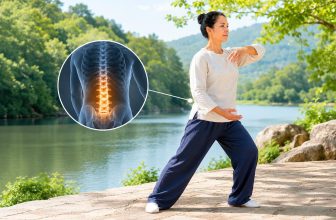
  • It’s a Tai Chi session done outdoors (in a jungle / forest setting), with natural sounds (birdsong, ambient nature).
  • It is labeled “Tai Chi for Diabetes,” so presumably it is a Tai Chi routine particularly suited for people with diabetes or with the aim of improving glucose control, stress, balance, etc. 
  • The pace is likely gentle and mindful (as typical with Tai Chi).
  • The video setting emphasizes calm, relaxation, connection with nature.

Benefits of Tai Chi (especially for people with diabetes or general health)

Here are well-supported benefits of regular Tai Chi practice (which this video embodies) and how this video’s style adds additional benefits:

Benefit Explanation / Link to this video
Improved blood glucose / metabolic control Some studies show Tai Chi can help lower HbA1c, improve insulin sensitivity, and aid in glucose regulation (especially helpful for type 2 diabetes).
Low-impact, gentle exercise Tai Chi is joint-friendly and sustainable, especially for people who may have mobility or joint concerns.
Better balance, coordination, reduced fall risk Tai Chi’s slow, controlled movements improve proprioception, balance, and muscular strength relevant to daily movement.
Stress reduction / mental health Because Tai Chi involves mindful movement and focus, it can reduce stress, anxiety, and improve mood. The nature atmosphere (birds, forest) amplifies the calming effect.
Flexibility and range of motion Gentle stretching and movement during Tai Chi help maintain or improve flexibility.
Cardiovascular health Though low-intensity, regular practice can contribute to better circulation, lower blood pressure, and improved cardiovascular markers over time.
Enjoyment / adherence The pleasant outdoor setting with nature sounds can make the practice more enjoyable, increasing the likelihood someone sticks with it.

Caveats / things to watch out for

Environment constraints — Outdoor settings are great, but weather, insects, terrain, etc., may pose challenges for consistency.

Not a substitute for medical treatment — If someone has diabetes or other conditions, they need to monitor glucose, follow medical advice, etc.

Intensity — Tai Chi is gentle, so it won’t replace higher-intensity cardio or strength training if those are needed, though it complements them.

Technique matters — Doing movements incorrectly can reduce benefits or cause strain; it helps to have good instruction (in person or via high-quality videos).

Consistency is key — Sporadic practice gives less benefit; regular, sustained practice over months gives noticeable benefit.

Fact Checked and Reviewed by

We will be happy to hear your thoughts

Leave a reply

HealingTaichi
Logo