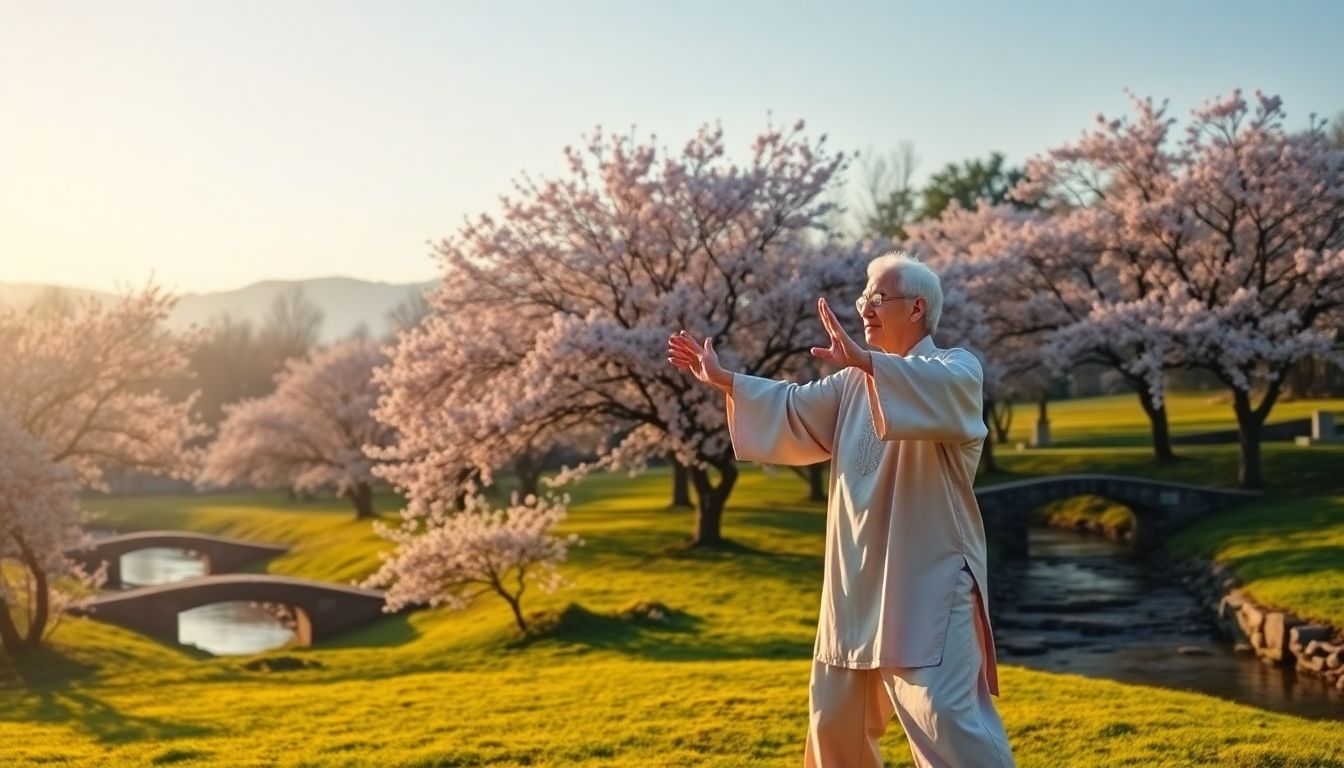
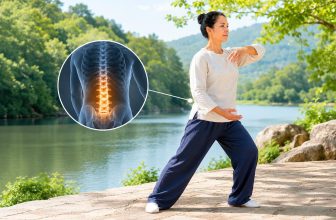
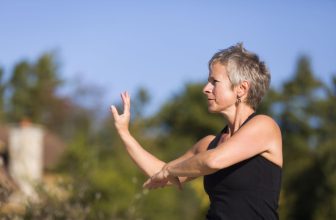
Tai Chi has become a favorite low-impact exercise among older adults. It combines gentle movements with deep breathing, helping improve balance, flexibility, and mental well-being. As more seniors embrace this ancient practice, it’s essential to choose movements suited for their unique needs. Doing so can help maximize benefits while reducing the risk of injury. Recent research and expert advice highlight that certain Tai Chi forms are especially safe and effective for seniors. Using tailored movements, seniors can enjoy the full health benefits without feeling overwhelmed.
Understanding the Benefits of Tai Chi for Seniors
The Physical Benefits of Regular Practice
Practicing Tai Chi regularly can lead to impressive physical improvements. It enhances balance and coordination, which are crucial for fall prevention. Gentle stretching and controlled motions boost joint flexibility and muscle strength. These benefits can help seniors stay active longer and regain confidence in daily activities. Better posture and stability become natural parts of life.
The Mental and Emotional Advantages
Beyond physical gains, Tai Chi offers significant mental health benefits. The slow, mindful movements help reduce stress and promote relaxation. Practicing regularly can sharpen focus and mental clarity. Many seniors report feeling happier and less anxious after sessions. Additionally, Tai Chi may support brain health and could even delay cognitive decline and dementia symptoms.
Key Considerations When Choosing Tai Chi Movements for Seniors
Safety First: Assessing Physical Limitations
Before starting Tai Chi, consulting a healthcare professional is vital. It ensures movements match individual health levels and conditions. Recognize your mobility abilities and avoid challenging positions that cause discomfort. Listening to your body helps prevent strains or falls during practice.
Simplification and Adaptation of Movements
Complex or fast movements can be difficult or risky for many seniors. Modifying movements to fit your strength and flexibility makes Tai Chi safer and more enjoyable. Using chairs or support devices can provide stability when needed. Adaptations allow everyone to enjoy the benefits comfortably.
Importance of Professional Instruction
Enrolling in classes led by trained Tai Chi instructors familiar with seniors offers many advantages. They can guide proper technique and tailor routines to your needs. Look for programs like Tai Chi for Arthritis or senior-friendly community classes. Professional guidance boosts safety and encourages consistency.
Which Tai Chi Movements Are Best for Seniors?
Basic Standing Movements for Stability and Balance
Wu Wei (Pushing Hands) and Slow Steady Stances
These movements focus on transferring weight smoothly from leg to leg. They help improve core strength and balance, reducing fall risks. Practicing slow, deliberate stances creates a sense of stability that carries over to everyday life.
Gentle Arm and Leg Lifts
Simple motions like lifting arms or gently stepping forward boost flexibility and joint mobility. They’re easy to do and perfect for beginners, often done while standing or seated, depending on ability.
Movements That Promote Fall Prevention
Cloud Hands
This flowing movement involves shifting weight and moving arms across your body. It enhances coordination and spatial awareness, both crucial for preventing falls. It also trains your body to move fluidly in different directions.
Step-Back and Step-Forward Movements
These exercises teach correct weight transfer and help improve stability. They mimic real-life movements like stepping over obstacles or rising from a chair. Regular practice supports better balance during daily tasks.
Seated Tai Chi for Limited Mobility or Balance Concerns
Seated Singles and Double Hand Movements
These movements focus on arm and wrist coordination. They are gentle and adaptable for those with mobility restrictions. Seated routines maintain activity and flexibility without risking balance issues.
Seated Tai Chi Forms
Designed for ease, these routines help seniors stay mobile and engaged. They involve simple, flowing motions that build strength and encourage mental focus safely from a chair.
Breathing and Meditation Techniques within Tai Chi
Qi Gong Breathing Exercises
Deep, slow breathing enhances the physical movements. It calms the mind, relieves stress, and boosts respiratory health—especially helpful during periods of fatigue or illness.
Mindfulness and Relaxation Practices
Focusing on the breath and slow movements helps clear the mind. This mental relaxation can improve mood and sharpen concentration. It also promotes emotional resilience in challenging times.
Incorporating Tai Chi Movements into a Safe Senior Fitness Routine
Tips for Practicing Tai Chi Safely
Start slow and increase difficulty gradually. Use supportive footwear on even surfaces. Avoid rushing through movements—listening to your body is always best. Practice in a safe, quiet space with enough room.
Building a Consistent Practice Routine
Schedule regular sessions—daily or multiple times a week. Consistency helps your body adapt and improve. Set achievable goals, like mastering a movement or holding a pose longer. Keep track of progress to stay motivated.
Monitoring and Adjusting Movements
Pay attention to how you feel during practice. Stop if you experience pain or discomfort. Don’t hesitate to make modifications—safety always comes first. Flexibility in routines keeps your practice sustainable and enjoyable.
Expert Recommendations and Real-World Examples
Many Tai Chi masters agree that personalized routines help seniors stay injury-free. Geriatric exercise specialists emphasize movements that build confidence and stability. For instance, the CDC supports programs like Tai Chi for Arthritis, which has helped thousands of seniors regain balance and reduce falls. Real stories show practitioners gaining independence, improved posture, and even relief from chronic pain—all thanks to correct Tai Chi movements.
Conclusion
Choosing the right Tai Chi movements is vital for seniors aiming for safety and health benefits. Simple exercises like gentle arm lifts, cloud hands, and seated routines can make a big difference. Remember, professional guidance tailored to your needs improves safety and results. Incorporating these movements into your weekly routine can lead to a more balanced, stronger, and happier life. Start small, stay consistent, and enjoy the journey toward better health with Tai Chi.