The Difference Between Tai Chi Walking and Regular Walking Explained
Walking is one of the most accessible forms of exercise—but not all walking is the same. While most people are familiar with regular walking for fitness or daily movement, Tai Chi walking offers a completely different experience rooted in mindfulness, balance, and controlled motion.
If you’re exploring ways to improve your health, reduce stress, or enhance mobility, understanding the difference between these two approaches can help you choose the right one—or combine both effectively.
What Is Tai Chi Walking?
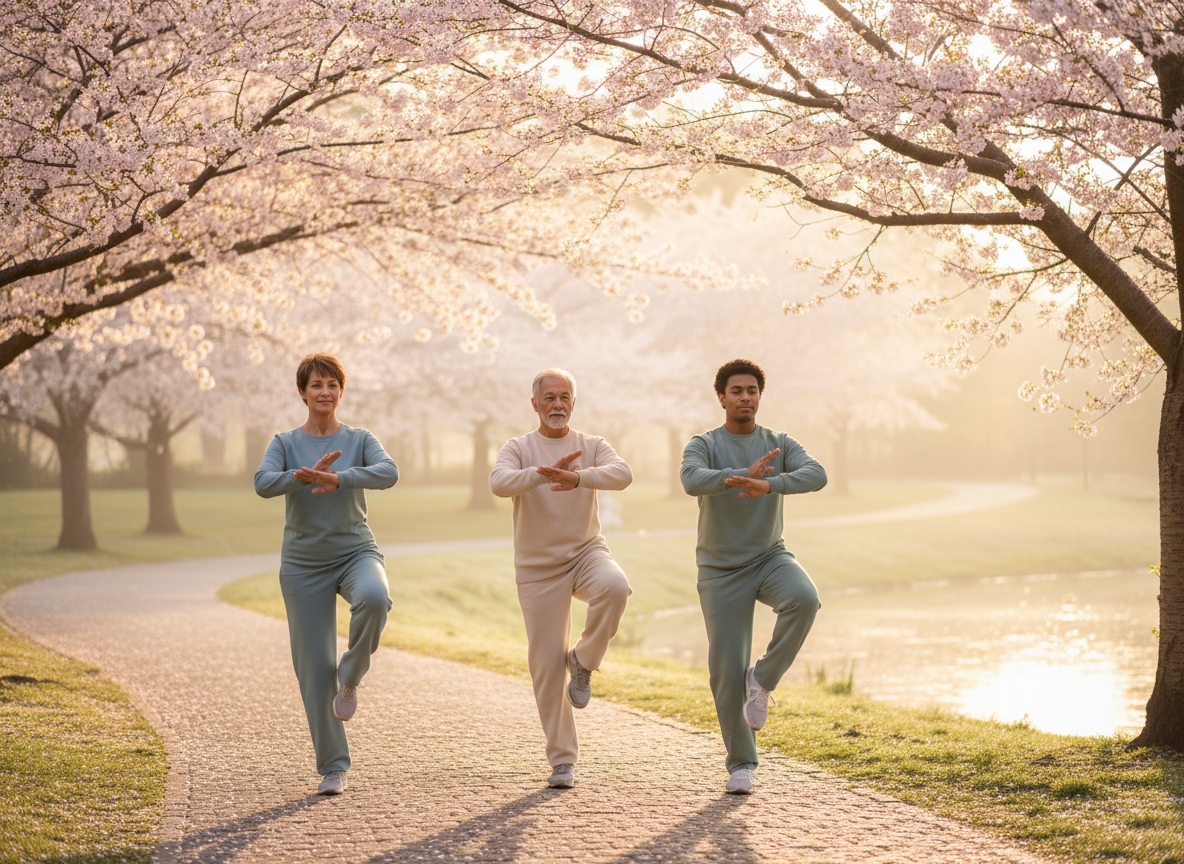
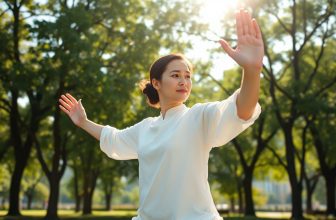
Tai Chi walking is a slow, deliberate form of movement derived from Tai Chi, an ancient Chinese practice that blends martial arts with meditation. Unlike normal walking, Tai Chi walking emphasizes:
- Controlled, intentional steps
- Continuous weight shifting
- Upright posture and alignment
- Deep, synchronized breathing
- Mental focus and awareness
Each step is performed with precision, often following the principles of “rooting” (stability) and “flow” (smooth transitions). The goal is not distance or speed—but balance, coordination, and internal calm.
What Is Regular Walking?
Regular walking is the natural, everyday way most people move from place to place. It’s widely used for:
- Cardiovascular exercise
- Weight management
- Improving endurance
- General mobility
This type of walking typically involves a steady pace, rhythmic steps, and minimal conscious thought about movement mechanics.
Key Differences Between Tai Chi Walking and Regular Walking
1. Speed and Pace
- Tai Chi Walking: Slow, often extremely slow, with pauses and controlled transitions
- Regular Walking: Moderate to brisk pace depending on fitness goals
Tai Chi walking may feel almost like moving in slow motion, allowing you to focus on every phase of each step.
2. Mind-Body Connection
- Tai Chi Walking: Strong emphasis on mindfulness and awareness
- Regular Walking: Often automatic, with little conscious attention
Tai Chi walking is sometimes described as “meditation in motion,” helping reduce stress and improve mental clarity.
3. Balance and Stability
- Tai Chi Walking: Prioritizes balance through deliberate weight shifting
- Regular Walking: Balance is used but not actively trained
This makes Tai Chi walking especially beneficial for older adults or those concerned about fall prevention.
4. Muscle Engagement
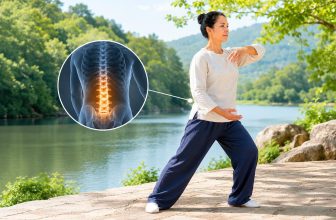
- Tai Chi Walking: Engages stabilizer muscles, core, and lower body continuously
- Regular Walking: Primarily engages legs and cardiovascular system
Because of its slow pace, Tai Chi walking increases time under tension, which can improve muscular control.
5. Breathing Technique
- Tai Chi Walking: Deep, slow, coordinated breathing
- Regular Walking: Natural breathing, often unregulated
Breath control in Tai Chi walking enhances relaxation and oxygen efficiency.
6. Purpose and Goals
- Tai Chi Walking: Balance, relaxation, coordination, energy flow
- Regular Walking: Fitness, calorie burning, transportation
Both are valuable—but they serve different primary purposes.
Health Benefits Comparison
Benefits of Tai Chi Walking
Practicing Tai Chi walking regularly may help:
- Improve balance and reduce fall risk
- Lower stress and anxiety
- Enhance joint flexibility
- Support recovery from conditions like Arthritis
- Promote better posture and alignment
Benefits of Regular Walking
Regular walking is well-known for:
- Strengthening the heart
- Supporting weight loss
- Improving stamina
- Reducing risk of chronic diseases like Heart Disease
- Boosting mood and energy
Which One Is Better?
Neither is “better”—they’re complementary.
- Choose Tai Chi walking if your goal is balance, stress relief, or gentle rehabilitation
- Choose regular walking if your goal is cardiovascular fitness or calorie burning
For many people, the ideal approach is combining both.
Can You Combine Tai Chi Walking and Regular Walking?
Yes—and this is often the most effective strategy.
You might try:
- Starting your walk with 5–10 minutes of Tai Chi walking to center your body
- Transitioning into a brisk walk for cardiovascular benefits
- Ending with slow Tai Chi steps to cool down and relax
This hybrid approach provides both physical and mental health benefits.
Who Should Try Tai Chi Walking?
Tai Chi walking is especially useful for:
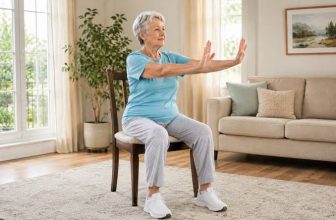
- Seniors looking to improve stability
- Individuals recovering from injury
- People dealing with stress or anxiety
- Anyone interested in mindful movement practices
It’s low-impact and adaptable to nearly all fitness levels.
Final Thoughts
The difference between Tai Chi walking and regular walking comes down to intention vs. automation.
- Regular walking moves your body
- Tai Chi walking trains your body and mind together
Incorporating both into your routine can lead to better balance, improved fitness, and a greater sense of well-being.