Here’s why Tai Chi (also known as Taijiquan) is often — and historically — considered a highly effective martial art, not just a gentle exercise or “moving meditation.” I’ll also link to evidence and explanations.
⚔️ Origins & Martial Roots
Tai Chi was originally developed as a combat system. Its roots trace back to traditional Chinese internal martial arts, combining physical techniques with philosophical principles. copyright.taichicollege.com.au+2Tai Chi Foundation Inc.+2
The classical form of Tai Chi — especially in styles like Chen-style Tai Chi — features “silk-reeling,” explosive power bursts (fa jing), and a mix of fast/slow movement, which reflects genuine fighting use, not just slow movement for health. Wikipedia+2TaichiMind+2
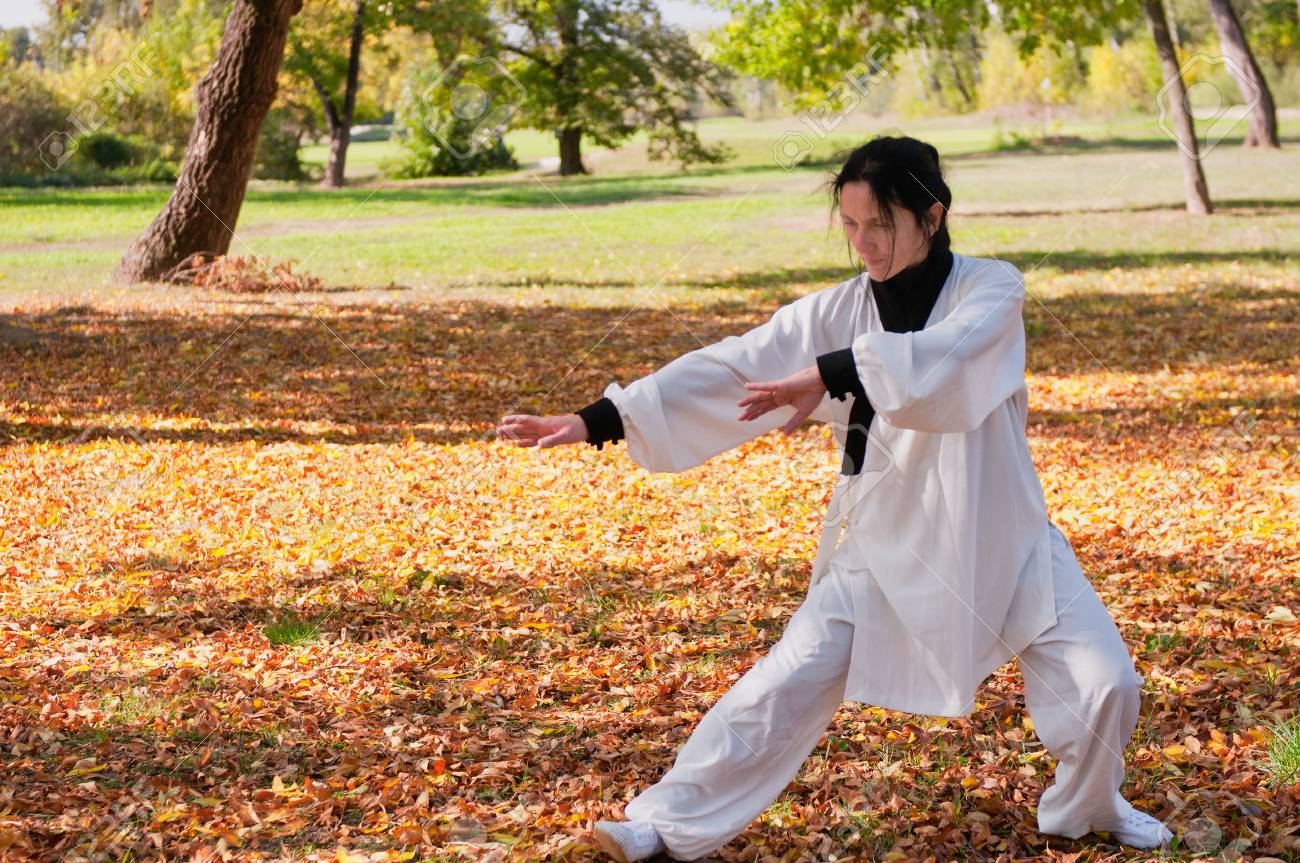
Over time, while many people have adopted Tai Chi for health and wellness, its martial applications (strikes, joint-locks, throws, redirections) remain embedded and — when properly trained — usable. stormtaekwondo.com+2stormtaekwondo.com+2
👍 Key Principles that Give Tai Chi Its Effectiveness
Yielding & Redirection Rather Than Force — Instead of relying on brute strength or speed, Tai Chi emphasizes using an opponent’s energy against them. The idea is to “yield” when attacked and redirect the force, so even a smaller or weaker person can neutralize a stronger aggressor. stormtaekwondo.com+2Tai Chi Notebook+2
Internal Strength & Body Mechanics (Nei Gong / Jin) — Through slow, deliberate training, proper posture, relaxed movement, and breath control, practitioners build internal power (sometimes described as “jin”). This internal strength enables efficient, precise strikes and effective control techniques, independent of external muscle strength. Taoism & Manifest+2stormtaekwondo.com+2
Sensitivity, Balance & Awareness — Exercises like Push Hands (Tui Shou) help practitioners develop heightened sensitivity to an opponent’s intention, shifting weight, and balance changes. That means even before a strike lands, a skilled Tai Chi practitioner can detect and respond to threats quickly and fluidly. stormtaekwondo.com+2stormtaekwondo.com+2
Full-Body Integration & Timing — Because Tai Chi movements use the whole body, generating power through coordinated weight shifts, spirals, and root-to-ground connection, strikes and defenses are often more structurally efficient — and harder to resist — than brute force. The National+2TaichiMind+2
🥋 What Tai Chi Offers That Many “External” Martial Arts Don’t
Effectiveness for smaller or older practitioners — Because Tai Chi depends less on muscle power and more on leverage, structure, awareness, and technique, it can be an especially effective martial art for people who might lack size or brute strength. The Center For Tai C+2stormtaekwondo.com+2
Blending self-defense with health and longevity — Historically, Tai Chi combined martial training with health, posture, breathing, and internal energy cultivation. This dual nature gives it enduring appeal: you train as a fighter and as a person seeking balance, health, and longevity. PubMed Central+2ScienceDirect+2
Subtlety and efficiency over aggression — The emphasis on restraint, self-control, and redirecting force often means conflicts can be defused or neutralized without heavy strikes — which can be a practical advantage in real-world self-defense or in situations where excessive force is risky. practicalmethod.com+2stormtaekwondo.com+2
📚 Scientific & Historical Evidence
A scholarly review of Tai Chi’s history and health/martial legacy confirms that it began as part of traditional Chinese wushu — a martial arts system — and evolved to include health- and wellness-oriented practice as well. ScienceDirect+2APST KKU+2
Medical and rehabilitative research recognizes that Tai Chi’s combination of posture, balance training, breath control, and body awareness — derived from its martial roots — makes it valuable not only for self-defense but also for preventing falls, improving balance, and enhancing mobility. PubMed Central+2Emory University+2
Experts and traditional practitioners emphasize that when trained seriously (beyond just slow health-style forms), Tai Chi retains its martial potency — though this often demands years of disciplined training, understanding of applications (not just forms), and real partner work (push-hands, applications, responsiveness). practicalmethod.com+2stormtaekwondo.com+2
⚠️ What to Keep in Mind — And Why Success Depends on the Practitioner
The slow, gentle Tai Chi that many people practice today often emphasizes health, stress relief, and mobility — not fight readiness. As a result, many modern classes strip out the “martial intent” and combat applications. Tai Chi Foundation Inc.+2Cathay Pacific+2
Real martial efficacy in Tai Chi typically requires years of dedicated training, including push-hands, applications, partner drills, and understanding of internal power and body mechanics. Without that, the art often functions more like “meditation in motion.” practicalmethod.com+2TaichiMind+2
Against modern threats (e.g. weapons, multiple attackers, unpredictable violence), no martial art is a guarantee. Some critics argue that, compared to more aggressive or sport-oriented martial arts, Tai Chi may have limitations — especially if not practiced deeply. stormtaekwondo.com+2stormtaekwondo.com+2
🎯 Conclusion — Why Tai Chi’s Reputation for “Effectiveness” Persists
Because it combines internal power, structural mechanics, sensitivity, balance, and mindful awareness with martial techniques like strikes, joint locks, throws, and energy redirection, Tai Chi — when properly trained — offers a deeply effective, efficient, and adaptable martial system. Its emphasis on control over brute strength, finesse over force, and awareness over aggression gives it a unique edge, especially in self-defense, real-life conflict de-escalation, or confrontations where subtlety and leverage matter more than raw power.