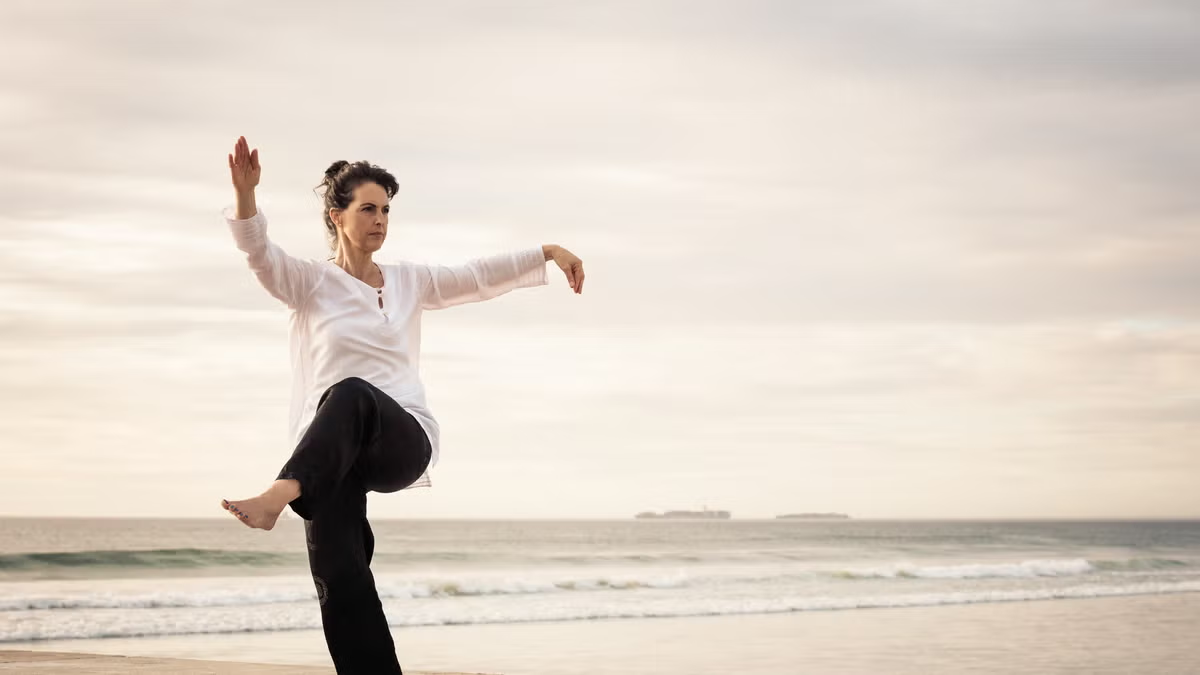
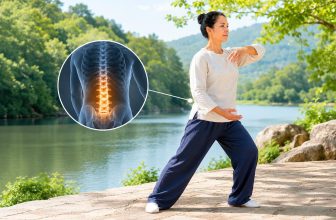
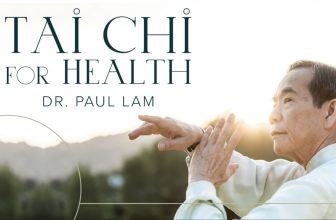
Overall evidence shows Tai Chi is beneficial for balance and fall prevention in older adults, improves symptoms and function for some musculoskeletal and neurological conditions (knee osteoarthritis, Parkinson’s), and likely reduces systolic blood pressure in people with hypertension. Certainty varies by outcome (from high for some fall-prevention outcomes to low/moderate for others). ScienceDirect+4Cochrane+4Frontiers+4
Evidence by outcome (key findings)
Falls & balance (older adults)
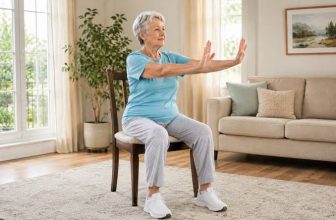
Exercise programs that include Tai Chi reduce falls: pooled evidence indicates ~19% reduction in fall rate and fewer people experiencing falls (some outcomes rated high-certainty). Programs and trial quality vary, but multiple trials and a major Cochrane review support benefit for community-dwelling older adults. Cochrane
Recent meta-analyses and systematic reviews (2023–2025) report Tai Chi improves balance and gait and can help mobility in people with Parkinson’s disease and in healthy older adults. Effect sizes and protocols vary; benefits are most consistent for balance measures. Frontiers+1
Multiple RCTs and reviews show Tai Chi reduces pain and improves physical function in knee osteoarthritis compared with usual care or education. Evidence quality is moderate; optimal dose/duration still varies between studies. PubMed+1
Hypertension / cardiovascular risk factors
Meta-analyses report reductions in systolic blood pressure (often clinically meaningful), with smaller/less consistent effects on diastolic pressure. Recent 2024–2025 meta-analyses support blood-pressure lowering effects in people with hypertension, but protocols (frequency, length) differ. ScienceDirect+1
Mental health, quality of life, cognition
Systematic reviews report modest improvements in mood, stress, and quality-of-life measures. Cognitive benefits have been suggested in some trials, particularly in older adults, but evidence is mixed and heterogenous. Frontiers+1
Strength of evidence & limitations
Strongest evidence: falls prevention and balance in older adults (Cochrane + multiple meta-analyses). Cochrane
Moderate evidence: knee osteoarthritis symptom relief, Parkinson’s balance/mobility outcomes, and systolic BP reduction in hypertension. PubMed+2PubMed+2
Limitations across literature: heterogeneity of Tai Chi styles, program intensity, frequency and duration; variable trial quality and small sample sizes in some conditions; short follow-up in many RCTs; publication bias possible.
Practical takeaways (for clinicians, program designers, patients)
Tai Chi is safe and suitable for older adults and many clinical populations; adverse events are uncommon in trials. Cochrane
Typical effective programs in trials range from 8–24 weeks with sessions 2–3×/week (many use 12 weeks or longer), but benefit is dose-dependent and longer practice tends to show more sustained gains. (Protocols vary between studies.) Frontiers+1
Use Tai Chi as a complementary non-pharmacologic option: especially useful for fall prevention, balance training, symptom relief in knee OA, and as a low-impact option for people with hypertension who can exercise. Cochrane+2PubMed+2
Research gaps / future directions
Need for larger, high-quality RCTs with standardized Tai Chi protocols, longer follow-up, and head-to-head comparisons vs other exercise forms.
More mechanistic studies to explain how Tai Chi improves balance, pain and blood-pressure regulation.
Cost-effectiveness studies and implementation research for community programs.
Key sources I used (starter list)
Recent 2024–2025 meta-analyses on Tai Chi for Parkinson’s disease, hypertension and gait/mobility. PubMed+2Frontiers+2
Cochrane: Exercise for preventing falls in older people living in the community (Cochrane review, 2019). Cochrane
Frontiers / meta-analyses on Tai Chi for balance and falls (2023–2024). Frontiers+1
Systematic reviews/meta-analyses on Tai Chi for osteoarthritis and pain. PubMed+1