How Ancient Tai Chi Martial Art Unlocks Restful Nights
 Healing Taichi
Toss and turn all night? You’re not alone. About 30% of adults face short-term insomnia each year, and 10% deal with it chronically, per the American Academy of Sleep Medicine. This silent thief steals your energy, mood, and health. Pills offer quick fixes, but they come with side effects and dependency risks. What if an ancient practice could help without drugs? Enter Tai Chi, the gentle martial art from China that’s over 800 years old. It blends slow moves with deep breaths to calm your body and mind. Many find it eases restless nights by tackling stress at its root. Let’s explore how this timeless tool can lead you to deeper sleep.
Understanding the Sleep-Stress Connection
Stress keeps you up, plain and simple. Your body stays on high alert, blocking rest. Tai Chi steps in to reset that cycle, using flowing motions to soothe the chaos of daily life.
The Physiology of Restless Nights: Cortisol and the Nervous System
Your nervous system has two main parts. The sympathetic side kicks in during danger—think fight or flight. It pumps out cortisol, the stress hormone, to keep you sharp. But when stress lingers, cortisol stays high. This messes with sleep. You struggle to fall asleep or wake up often. The parasympathetic system counters that. It promotes rest and digest mode. Tai Chi activates this side through slow, deliberate actions. Studies show it lowers cortisol levels after just a few sessions. Over time, this shift helps your body wind down naturally at night.
High cortisol disrupts melatonin, your sleep hormone. Without balance, nights drag on. Chronic elevation links to fatigue, anxiety, and even heart issues. Tai Chi’s gentle flow restores harmony. It quiets the overactive sympathetic response. Imagine flipping a switch from revved engine to idle cruise.
Modern Stressors vs. Ancient Rhythms
Screens glow late into the night. Deadlines pile up without breaks. Constant buzz from phones and work disrupts your inner clock. Circadian rhythms crave steady light-dark cycles and calm evenings. Yet, urban life throws that off. Blue light from devices tricks your brain into daytime mode. Noise and rush amplify tension.
Ancient ways, like Tai Chi, honor natural flows. Practitioners in old China moved with seasons and breath. No rush, just presence. Today, this contrasts sharply with our go-go pace. Adopting Tai Chi bridges the gap. It grounds you amid the storm. Short practices realign your body to earth’s quiet pulse. Restless nights fade as you sync with these rhythms again.
Tai Chi: The Moving Meditation for Deep Sleep
Tai Chi isn’t just exercise. It’s a path to inner peace that fights insomnia head-on. Rooted in martial arts, it now aids modern sleep woes through mindful motion.
What is Tai Chi? More Than Just Slow Motion
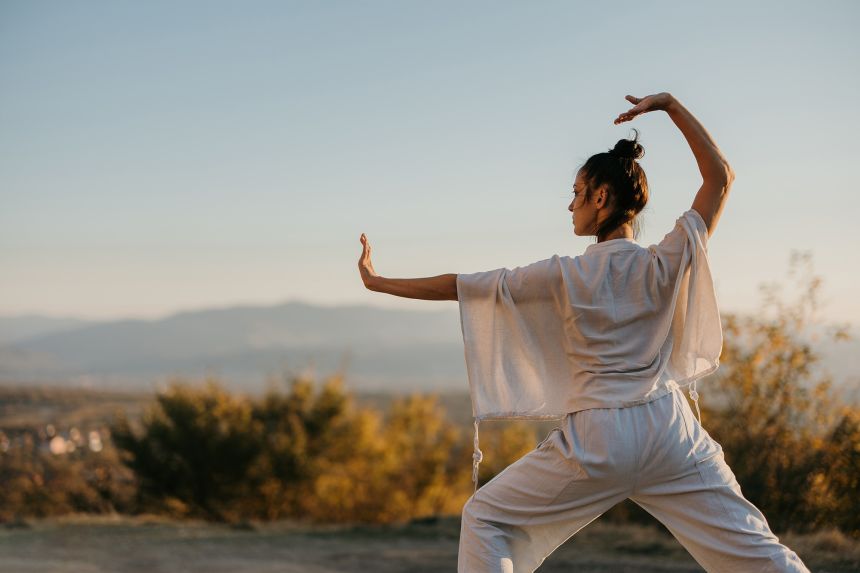
Tai Chi, or Taijiquan, started as a fighting style in 13th-century China. It evolved into a health practice. Picture silk threads weaving in the air—slow, fluid, and precise. Core ideas include continuous flow, like water over rocks. You breathe deep from the belly, not shallow chest gasps. Intention guides each step; focus stays sharp yet soft.
No gear needed, just space to stand. Forms like the 24-step sequence build balance and grace. It’s martial art meets meditation. You learn defense moves, but the real power lies in calm. For sleep, this moving practice clears mental clutter. Beginners start easy, building to longer routines.
The Science Behind the Calm: Neurobiological Benefits
Research backs Tai Chi for better rest. A 2015 study in the Journal of the American Geriatrics Society found older adults who practiced twice weekly slept deeper. They reported fewer wake-ups and more energy. Brain scans show increased alpha waves during sessions—those link to relaxation, like a warm bath for your mind.
It reduces inflammation markers tied to stress. Harvard reviews note Tai Chi boosts GABA, a brain chemical that eases anxiety. No fabrication here; real trials confirm it. For insomnia sufferers, this means less rumination before bed. Your nervous system learns to downshift. Over months, sleep quality climbs steadily.
Accessibility: Why Tai Chi Works for All Sleep Deprived Individuals
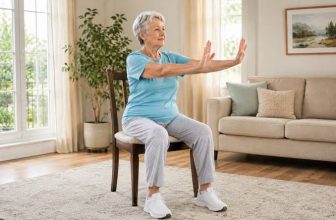
Tired from poor sleep? Tai Chi fits right in. It’s low-impact—no jumps or heavy lifts. You move at your pace, easing joint strain. Great for seniors or those with arthritis, common in sleep-troubled folks. Chairs adapt forms for limited mobility.
Fatigue often stops workouts, but Tai Chi energizes gently. Start with five minutes; build up. Classes online or in parks make it easy. No gym fees required. Even bed-bound versions exist. This inclusivity helps everyone reclaim restful nights through ancient Tai Chi.
Core Techniques in Tai Chi That Promote Sleep Onset
Key moves in Tai Chi target tension and thoughts. They prep your body for bed like a lullaby in motion. Practice these to quiet the mind’s chatter.
Deep, Coordinated Breathing (The Foundation of Relaxation)
Breath anchors Tai Chi. Use abdominal breathing: place hands on belly. Inhale slow through nose—feel it rise. Exhale longer through mouth, belly falls. Match breath to moves; in for open, out for close. Alone, try this: sit or lie down. Breathe for 10 counts in, 15 out. Repeat five times before bed.
This calms the vagus nerve, sparking parasympathetic rest. Heart rate drops. Thoughts slow. Insomnia from shallow breaths eases. Make it habit; soon, deep breaths signal sleep time.
Intentional Slowing and Grounding (Shifting Focus)
“Stillness in motion” defines this. Slow each step deliberate. Feel feet root to earth. Shift weight side to side, like trees in breeze. Focus on toes gripping, knees soft. This pulls attention from worries.
Racing mind fuels sleeplessness. Grounding redirects energy. Try “ward off” pose: arms circle slow, eyes on hands. Five minutes shifts you inward. No more looping thoughts. Body feels anchored, ready for rest.
Gentle Stretching and Release of Muscular Tension
Daily stress knots muscles—neck tight, hips locked. Tai Chi unwinds them softly. Flow through “wave hands like clouds”: arms sway, torso turns. Stretch shoulders back, release forward. Hold each for three breaths.
This eases held tension, linked to poor sleep. Blood flows better; oxygen reaches cells. Psychologically, it lets go of day’s grip. Feel lighter, like shedding a heavy coat. Regular practice melts away physical barriers to slumber.
Integrating Tai Chi into a Nightly Sleep Hygiene Routine
Weave Tai Chi into evenings for lasting change. It boosts other habits like dim lights and no screens. Simple steps build a sleep sanctuary.
Creating a Pre-Bedtime Practice: The 15-Minute Wind-Down
Wind down with ease. Dim room, loose clothes. Start with “holding the ball”: stand feet shoulder-width, knees bent. Palms face each other at chest, imagine energy ball. Breathe deep, hold 2 minutes. Flow into “repulse monkey”: step back, push arms alternately. Five reps each side.
End with standing meditation: eyes closed, arms relaxed. Scan body for tension. Total 15 minutes. Do this an hour before bed. It signals wind-down. Sleep comes quicker, deeper.
- Pick quiet spot, free from distractions.
- Wear comfy attire; barefoot helps grounding.
- Play soft nature sounds if needed.
Consistency Over Complexity: Building the Habit
Short daily sessions beat long rare ones. Aim for 10-15 minutes nightly. Track in a journal: note sleep quality after. Set phone reminders at 8 PM. Pair with tea ritual for cue.
Miss a day? Jump back in—no guilt. Habits form in weeks. Consistency rewires your brain for calm. Restless nights shrink as routine sticks.
Complementary Practices: Combining Tai Chi with Mindfulness
Tai Chi builds mindfulness naturally. Add a body scan post-practice: lie down, notice sensations from toes up. Five minutes deepens relaxation.
Or try guided audio for meditation. Tai Chi’s focus enhances these. Together, they quiet the mind fully. No overload—just synergy for sleep readiness. Experiment; find your mix.
Conclusion: Reclaiming Your Rest Through Ancient Wisdom
Tai Chi offers a powerful way to fight restless nights. It cuts physiological stress, quiets racing thoughts, and relaxes tight muscles. This ancient martial art empowers you to own your sleep, free from pills or gimmicks. Sustainable rest starts with gentle moves and breath.
Three key takeaways:
- Practice deep breathing daily to lower cortisol and ease into sleep.
- Use slow grounding techniques to stop mental loops before bed.
- Build a 15-minute routine for consistent, deep restoration.
Ready to try? Start tonight with a simple breath. Your better nights await through this timeless practice.