Tai Chi: Your Gentle Path to Powerful Physical Fitness
 Healing Taichi
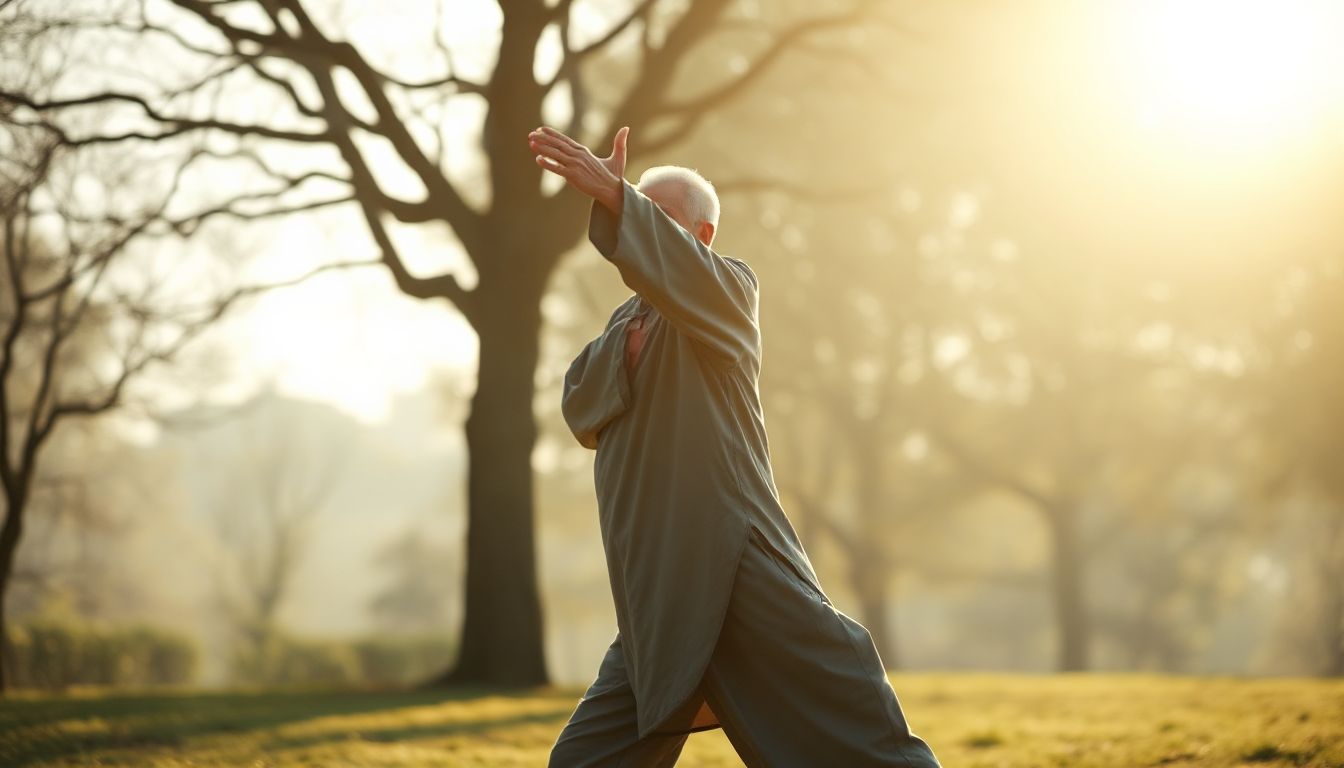
Picture this: you’re sweating through another grueling gym session, lifting heavy weights or pounding the treadmill, but your joints ache and motivation fades fast. What if true fitness didn’t demand that grind? Tai Chi offers a smarter way—a slow, flowing art from ancient China that’s now backed by science for building real physical strength without the strain. This article breaks down how Tai Chi boosts your body, from heart health to daily ease, so you can start your own gentle fitness journey today.
The Core Mechanics: What Makes Tai Chi a Full-Body Workout?
Tai Chi isn’t just pretty poses. It blends slow moves with deep breaths and body shifts to work every muscle group. Unlike quick jogs or stiff stretches, these fluid patterns keep you moving steady, turning a simple practice into a total workout that builds endurance over time.
Understanding Qi and Intentional Movement
Qi means the vital energy that flows through your body, like an inner river keeping things balanced. In Tai Chi, you focus on this by moving slow and smooth, which wakes up muscles in ways static holds can’t match. Each motion uses isometric holds—where muscles tense without changing length—and isotonic pulls that shorten them under light load, firing up your arms, legs, and back all at once.
This combo engages more fibers than a casual walk. You feel the burn build quietly as forms like “Wave Hands Like Clouds” twist your torso and stretch your limbs. Over sessions, this intentional flow sharpens muscle control and cuts down on lazy habits.
The Importance of Weight Transfer and Stance Training
Low stances in Tai Chi, such as the Horse Stance, sink your hips down and spread your feet wide. This hits your quads, glutes, and calves hard, building leg power that rivals beginner squats but with no weights. You shift weight from one foot to the other, training stability that light runs often skip.
Think of it as rooting yourself like a tree in wind—your base grows tough. Beginners see quick gains in endurance; hold that pose for a minute, and your thighs tremble in a good way. This foundation supports all moves, making Tai Chi a sneaky strong lower-body builder.
Integrating Breathwork for Enhanced Performance
Tai Chi ties every step to breath from your belly, not your chest. This diaphragmatic style pulls air deep, expanding your lungs and calming your heart rate. It links to better oxygen use, so your body handles effort with less huffing.
Controlled breaths lower stress chemicals like cortisol, which can zap your energy. During practice, sync inhales with rises and exhales with sinks—this boosts stamina for longer sessions. You’ll notice your pulse stays even, prepping you for hikes or sports without quick fatigue.
Cardiovascular and Musculoskeletal Benefits Supported by Science
Science loves Tai Chi for its real results on heart and bones. Groups like the Arthritis Foundation praise it for easing joint pain while pumping up circulation. Studies show it rivals moderate exercise for fitness gains, all with zero bounce.
Improving Balance and Fall Prevention in Aging Populations
Tai Chi trains your brain’s sense of position through twists and turns that challenge steadiness. This proprioception sharpens nerves in your feet and core, key for not tripping. A study in the Journal of the American Geriatrics Society found older adults who did Tai Chi twice a week cut falls by 55% over a year.
You practice shifts on one leg, eyes on a spot ahead, which builds quick reflexes. For folks over 60, this means safer steps on uneven ground. It’s not flashy, but it saves lives by keeping you upright.
Low-Impact Aerobic Conditioning and Heart Health
The nonstop flow of Tai Chi qualifies as aerobic work, raising your heart rate gently to burn fat and strengthen pumps. Without jumps, it spares knees while improving blood flow to organs. Research from the American Heart Association notes it drops blood pressure by 10-15 points in regular practitioners.
Imagine your blood moving like a steady stream, not a rush. This eases artery strain and boosts endurance for daily tasks. Pair it with walks, and you get heart fitness that lasts.
Enhancing Flexibility and Joint Mobility
Tai Chi’s wide arcs open hips, spine, and shoulders in controlled ways. Unlike quick stretches that pull too hard, these holds let you ease into deeper ranges safely. A review in the British Journal of Sports Medicine showed gains in hip flexibility up to 20% after three months.
You circle arms slowly, feeling the spine unwind like a coiled spring. Shoulders loosen from desk hunch, and legs stretch without snap. This mobility sticks around, making bends and reaches feel natural again.
Building Functional Strength Through Body Awareness
Many think Tai Chi is weak sauce, but it crafts power through smarts, not bulk. You learn to use your weight as resistance, holding forms that demand quiet effort. This builds strength that serves real life, not just mirrors.
Core Engagement: The Center of Power
Every Tai Chi move starts from your middle—your abs and back muscles fire to keep you aligned. Deep stabilizers like the transversus abdominis hug your spine, much like planks but in motion. You hold a subtle tuck in your pelvis, turning breaths into core workouts.
This constant pull strengthens without crunching. Over time, your posture improves, cutting back pain from slouching. It’s the hidden engine that powers all your strength.
Developing Coordination and Motor Control
Forms demand smooth chains of muscle work, like linking arms to legs in a dance. This trains your brain to sync sides, boosting neuroplasticity for sharper moves. Sports pros use it to fine-tune skills, but anyone gains better hand-eye links.
Try “Repulse Monkey”—push back while stepping, and watch coordination click. It helps kids with clumsiness or adults with stiff gaits. Daily, this means less fumbles in chores.
Real-World Application: From Form Practice to Daily Life
Tai Chi’s balance shines when you climb stairs without wobble or grab groceries steady. That Horse Stance endurance makes hills easier. Recover from a trip? Your trained reflexes kick in fast.
Picture carrying bags up steps—your core holds firm, legs push without shake. Or gardening: bend low, rise smooth, no strain. These skills turn practice into everyday wins.
Optimizing Recovery and Injury Management with Tai Chi
Athletes turn to Tai Chi for cool-downs that heal, not just rest. Its soft pace flushes out junk from muscles, speeding bounce-back. For chronic aches, it offers relief without meds.
Reducing Inflammation and Muscle Soreness
Gentle flows spark blood to sore spots, washing away lactic acid buildup. This cuts swelling faster than ice alone. A study in the Journal of Alternative and Complementary Medicine linked Tai Chi to 30% less post-workout ache in runners.
You move through soreness lightly, like stirring a pot to even heat. Breath adds calm, dialing down inflammation signals. It’s recovery you can feel right away.
Increasing Range of Motion Safely Post-Injury
After tweaks, Tai Chi lets you test limits without force. Start small in pain-free zones, building trust in your body. Physical therapists often weave it in, as noted by the American Physical Therapy Association.
Knee rehab? Slow squats in forms rebuild bend without grind. Shoulders post-sprain open wide gradually. This self-guided approach keeps you moving forward.
Getting Started: Your Actionable First Steps in Tai Chi
Ready to try? No fancy gear needed—just space and will. Start simple to build habits that stick.
Choosing the Right Style and Instructor
Yang style suits newbies with its soft, big moves. Chen adds snaps for later challenge. Look for certified teachers via parks or apps; pick ones who stress form over rush.
Visit classes to watch—feel the vibe. Online videos work too, but live eyes spot fixes. Aim for groups that welcome all levels.
Establishing a Consistent Practice Routine
Begin with 15 minutes a day, right after coffee. Learn one short form, like the eight basics, instead of full sets. Track days in a notebook to see streaks grow.
Miss a day? Jump back easy—no guilt. Mornings set your tone; evenings unwind stress. Consistency trumps perfection every time.
Essential Tips for Posture and Mindset During Initial Practice
- Relax your shoulders; let them drop like melting butter.
- Root feet flat, toes gripping ground for that tree feel.
- Breathe deep from the belly—count to four in, four out.
- Focus on sensation over straight lines; wobbles are okay.
- Smile through it; fun keeps you coming back.
These tweaks build good habits fast. You’ll mess up at first, but that’s part of learning.
Conclusion: Sustaining Fitness Through Mindful Movement
Tai Chi delivers strength without sweat, balance to prevent slips, and heart support that endures. It ties body and mind, making fitness a joy, not a chore. This lifelong path beats fad diets or gym burnout.
Step into a class soon—your body will thank you with more pep and less pain. Start small, stay steady, and watch your physical fitness soar through simple, mindful moves.