Introduction
Imagine a practice that not only improves your health but also calms your mind and connects you deeply with your body. That’s what Taichi Chuan offers. This ancient martial art from China is celebrated worldwide for its healing power and spiritual benefits. As more people seek natural ways of wellness, Taichi’s popularity keeps growing. Scientific studies now confirm its ability to reduce stress, boost balance, and enhance overall vitality. In this guide, you’ll discover the roots, core principles, and practical steps to master this centuries-old practice. Whether you’re a complete beginner or looking to deepen your skills, this guide will help you start on your Taichi journey today.
The History and Philosophy of Taichi Chuan
Origins of Taichi Chuan
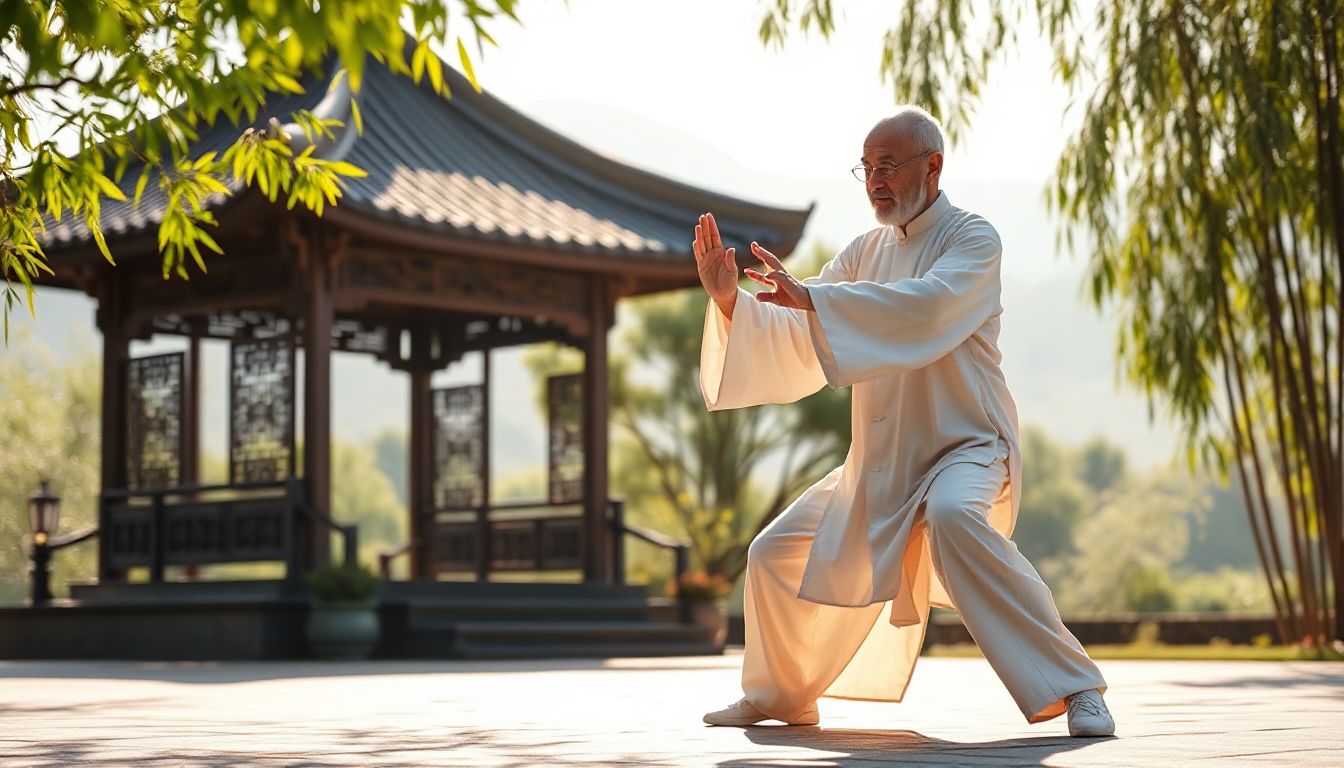
Taichi Chuan traces back hundreds of years in China, with roots dating as far back as the 12th century. It evolved from traditional Chinese martial arts, blending philosophy, health, and combat skills. Legendary figures such as Zhang Sanfeng are often credited with creating the foundational style, although historical records are mixed. Over time, different schools emerged, each offering unique forms and techniques. Classical texts like the “Taiji Classics” outline the deep principles that define the practice today. Its connection to Chinese medicine and philosophy gives Taichi a holistic identity, blending mind, body, and spirit.
Core Principles and Philosophy
At its heart, Taichi Chuan teaches balance—both physically and mentally. The concept of Yin and Yang, the idea of opposing forces working in harmony, is vital. The goal is to flow smoothly between these states during practice, promoting health and harmony. The movement of Qi, or energy, is another key element. Practitioners aim to enhance the flow of Qi through the body to foster vitality and prevent illness. Mental focus, often called “mindfulness,” plays a major role. When you practice Taichi, it’s not just about moving your body, but also about calming your mind and becoming fully present.
The Cultural Significance
More than a martial art, Taichi is a cultural treasure. It reflects traditional Chinese values of harmony, balance, and health. Many communities see it as a way to preserve cultural heritage and promote wellness. Today’s adaptations stay true to its roots but also incorporate modern ideas about well-being. As a result, Taichi has become a global phenomenon—an ancient practice that meets contemporary needs.
Understanding the Fundamentals of Taichi Chuan
Basic Postures and Movements
Learning Taichi begins with mastering simple stances and motions. Key postures include Wuji (the neutral stance), Peng (warding), Lu (pushing), Ji (hooking), and An (pressing). These movements are slow and deliberate, helping you develop strength and awareness. It’s tempting to rush, but patience brings better results. Breathing aligned with movement is crucial—deep, relaxed breaths help relax muscles and focus the mind.
Key Principles of Technique
Relaxation sits at the core of all movements. Tension creates resistance and hampers flow. Centering involves anchoring your weight evenly, allowing all movements to be fluid. Circular motion is fundamental—think of water swirling around your hands. Transitions from one posture to another should be smooth, never rushed. These principles help create that seamless, flowing quality many associate with Taichi.
Equipment and Environment
Practicing in a quiet, open space makes a huge difference. Comfortable, loose clothing allows unrestricted movement. Ideally, find a flat, peaceful spot outdoors or a dedicated practice area inside. Avoid distractions so you can focus fully on each movement. Safety comes first; if you’ve got joint issues or injuries, modify movements and consult a teacher.
Practical Steps to Learning Taichi Chuan
Finding Qualified Instruction
Look for teachers certified by reputable martial arts or Taichi associations. Check their background, experience, and teaching style. Attending group classes can offer feedback and motivation. While self-study is possible, beginner classes ensure proper technique and injury prevention. Skilled instructors can correct bad habits early on and guide your progress.
Beginner-Friendly Taichi Forms
Start with simple forms like Sun-style or Yang-style Taichi. These are beginner-friendly because they focus on gentle, natural movements. Break down the sequence step-by-step: learn the stance, then add in the movement, and finally link it all together slowly. Use online videos or attend local classes to see demonstrations and practice along with instructors.
Daily Practice and Progression
Consistency beats intensity. Dedicate at least 10-15 minutes daily to practice. Incorporate breathing and meditation to deepen your connection. Keep a journal to track your progress. Expect challenges like stiffness or losing focus, but don’t get discouraged. Patience and persistence are essential. Over time, your movements will become smoother, and your mind calmer.
Scientific Evidence and Health Benefits
Physical Benefits Supported by Research
Studies show Taichi improves balance significantly—great for older adults prone to falls. It also boosts flexibility and core strength. Regular practice aligns muscles, lessens joint pain, and helps prevent injuries. These benefits make Taichi a safe, low-impact exercise suitable for all ages.
Mental and Emotional Benefits
Practicing Taichi reduces stress by calming the nervous system. Deep breathing and slow movement promote mental clarity. Many practitioners report feeling more focused and emotionally centered. Over time, it helps build resilience against daily stressors, fostering a sense of inner peace.
Integrating Taichi into a Healthy Lifestyle
Combine Taichi with other wellness routines like healthy eating or walking. It fits well into busy schedules and offers long-term benefits. Make it a daily habit—not just a workout but a way to stay grounded. Staying patient and committed preserves its health benefits for years.
Advanced Techniques and Deeper Practice
Exploring and Refining Forms
After mastering beginner forms, move on to more complex sequences. Focus on internal energy—imagine it flowing from your feet to your fingertips. Practice slowly, paying attention to detail and posture. Advanced forms challenge coordination and deepen your internal awareness.
Push Hands and Martial Applications
Push hands is a partner exercise that enhances sensitivity and timing. It teaches you to respond instinctively to an opponent’s force. You’ll learn practical self-defense skills—no brute force needed. It’s also a meditation in motion, helping refine your internal power.
Internal Alchemy and Meditation
Internal cultivation focuses on refining Qi through meditation and breathing. Practice standing meditation (Zhan Zhuang) to develop internal strength. Visualize your energy centers opening and connecting. Over time, you can use these techniques for healing and spiritual growth.
Conclusion
Embracing Taichi Chuan can transform your body and mind profoundly. Its balance of gentle movement, deep focus, and spiritual philosophy offers lasting benefits. The key? Stay patient, practice daily, and find good instruction. Remember, mastery takes time—so enjoy every step of your journey. Start small, stay consistent, and explore both the physical and spiritual aspects of this ancient art. Your best self awaits through the practice of Taichi.